Featured

Urban mining for a circular future

Urban mining has become a critical strategy as the world confronts growing scarcity of rare earth elements (REE) and other essential resources such as copper, lithium, cobalt, and precious metals. These shortages threaten clean energy transitions, digital infrastructure, and advanced manufacturing. Recovering valuable materials from e‑waste and discarded infrastructure is not simply a circular economy ideal; it is a practical response to one of today’s most pressing supply chain risks and a pathway to resilience across multiple industries.

Continue reading “Urban mining for a circular future”
Featured

How can the circular economy be practiced in slums

Slums, home to over 1 billion people worldwide, are the frontline of urban vulnerability. Overcrowding, poor sanitation, unsafe housing, and climate change converge to create daily risks of disease, displacement, and poverty. Open sewage contaminates water, fragile dwellings collapse under floods, and limited healthcare magnifies crises. Yet within these challenges lies opportunity: by inducting circular practices—such as waste-to-energy digesters, repurposed construction materials, and community recycling hubs—slums can transform hazards into resources. Circular solutions not only reduce illness and environmental damage but also generate livelihoods, strengthen resilience, and pave a way forward toward healthier, more sustainable urban futures.

Continue reading “How can the circular economy be practiced in slums”
Featured

Why Seaweed packaging works—where it’s missing

Plastic packaging is ubiquitous in everyday life, but the core problem driving the search for alternatives is not simply higher use — it is plastics’ persistence: their inability to decompose leads to accumulation in landfills, oceans, and soils. This long‑term stockpiling of nondegradable waste has triggered research into biodegradable materials. Seaweed‑based packaging emerged as a promising solution because seaweeds are abundant, renewable, and rich in polysaccharides that can form films and coatings. Seaweed packaging has been a huge success in the field of daily life packaging; however, it has yet to be introduced into industrial packaging. This is a significant concern, given that industrial plastic packaging causes substantial problems with carbon emissions worldwide.

Continue reading “Why Seaweed packaging works—where it’s missing”
Featured

Is Fashion fueling microplastic pollution in our oceans?

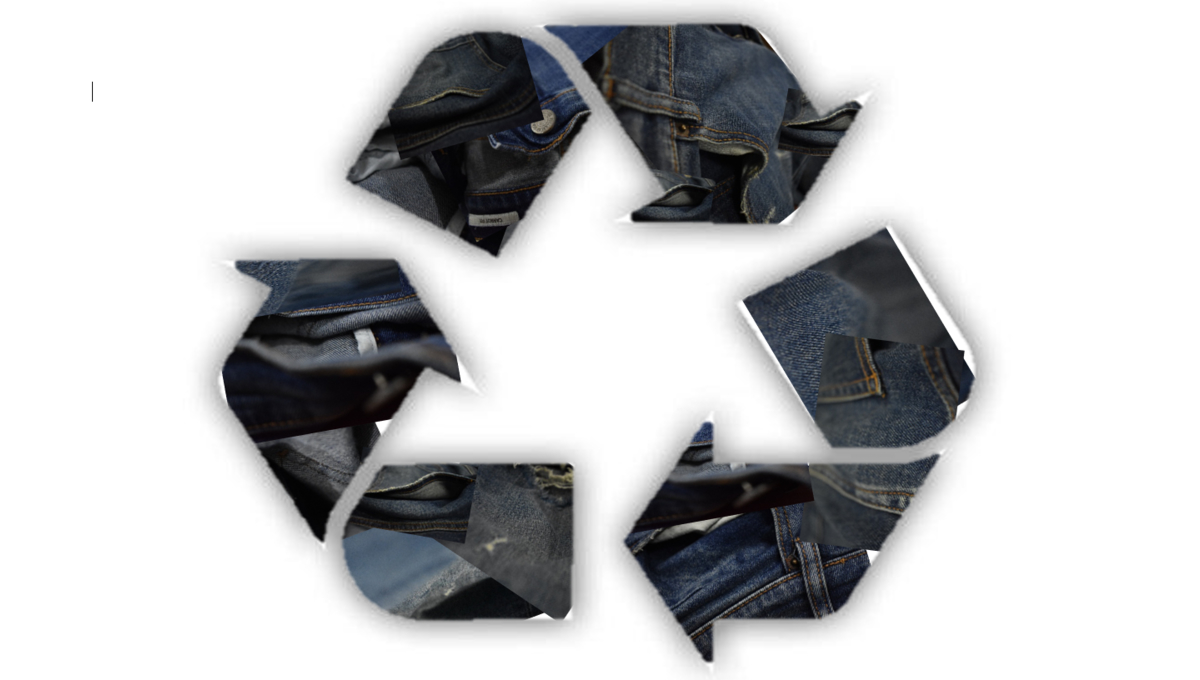
The fashion industry is expected to generate over 920 billion dollars in revenue in 2025, making it one of the top industries in attracting consumers from all over the world. The rate at which consumerism is increasing is causing a devastating effect on the release of microplastics in our oceans. This article explores how fashion fuels microplastic pollution, the ecological consequences for marine life, and how circular economy strategies can help mitigate the damage. From design to disposal, it’s time to rethink the way we wear — and the impact it leaves behind.

Continue reading “Is Fashion fueling microplastic pollution in our oceans?”
Featured

How farm Nitrates pollute coastal waters? What we can do to stop it?

Nitrogen is a very important nutrient to help plants grow, as it is a major component in chlorophyll, which plants use to photosynthesise. Thus, nitrogen builds more yield for most plant species, compelling farmers to use it for better produce. The agricultural community uses fertilizers and manure, which carry huge amounts of different types of nitrates to increase plant yield, replenish soil nutrients, enhance soil stability, and much more. However, with nearly half of the world’s food production relying on fertilizers, it raises important questions about the impact of nitrates on coastal waters. Nitrates from farmed water commonly run off into lakes, estuaries, and groundwater, which affects overall coastal marine health. Let’s discover what issues arise due to this and what can be done to mitigate them.

Continue reading “How farm Nitrates pollute coastal waters? What we can do to stop it?”
Featured

Clean Energy for AI: Building a Greener and More Circular Future

Artificial intelligence (AI) has become a symbol of hope in today’s generation — a powerful ally in the global fight against climate change and the reduction of human-induced emissions. From transforming waste management and revolutionizing agriculture to advancing the circular economy, AI is driving innovative solutions for a more sustainable future. Yet, this rapid progress comes with a challenge of its own: the immense energy demand required to power AI systems. Balancing this technological growth with environmental responsibility is now one of the defining challenges — and opportunities — of our time. This article highlights forward-thinking solutions for powering AI sustainably, focusing on innovation and long-term environmental responsibility.

Continue reading “Clean Energy for AI: Building a Greener and More Circular Future”
Featured

AI-powered Smart Waste and Recycling

As the volume of waste directed to landfills continues to rise due to human activity, there is growing pressure on cities to adopt more sustainable and efficient waste management solutions. In response, the development of smart cities has prompted industries across various sectors to seek innovative ways to stay competitive while reducing their environmental impact. As the development of Artificial Intelligence (AI) has improved significantly, the use of it in waste management systems has sparked an interest. This article will explore the diverse ways in which AI is transforming waste management, while also highlighting the challenges and barriers that must be overcome in the journey toward more sustainable and efficient systems.

Continue reading “AI-powered Smart Waste and Recycling”
Featured

Circular economy solutions for Indian Ocean fisheries

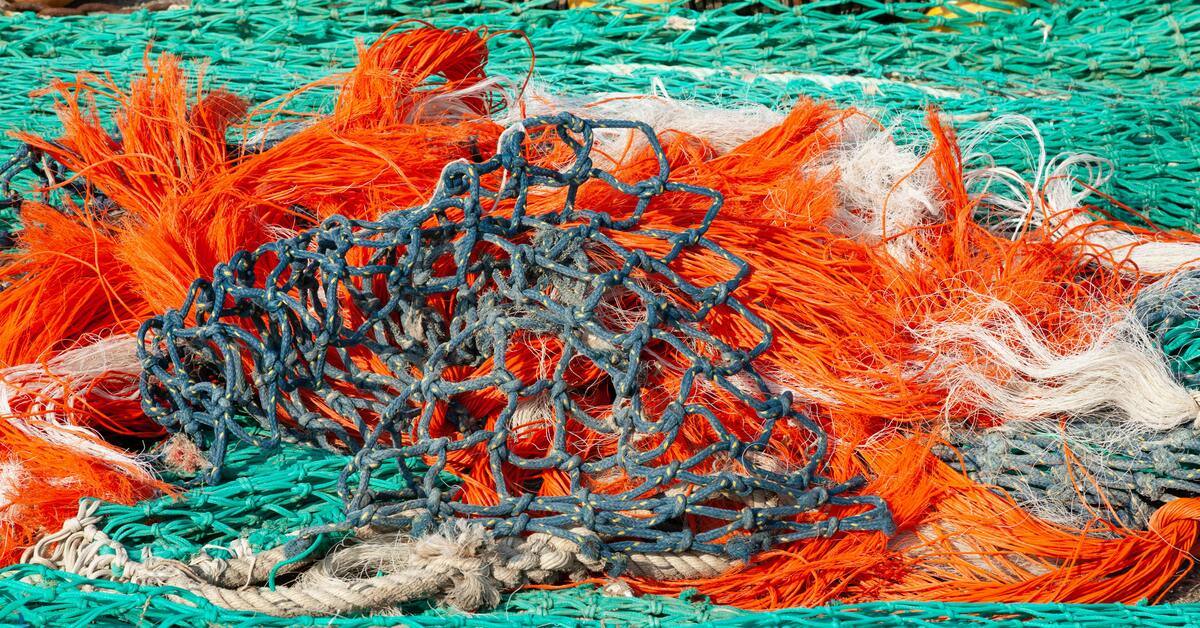
The Indian Ocean covers more than 70 million square kilometers per area. It is home to millions of diverse species and valuable minerals that humans rely on for livelihoods, food security, and transportation. The Indian Ocean is known for housing most fisheries on Earth due to its productivity, producing 14% of all global fisheries according to the Food and Agriculture Organization. It supports millions of livelihoods through fishing, trade, and tourism. However, rising threats like overfishing, species loss, and unregulated practices demand a shift from the traditional use and throw to a circular economy — one that regenerates ecosystems, reduces waste, and sustains communities.

Continue reading “Circular economy solutions for Indian Ocean fisheries”
Featured

How circular is the footwear industry?

Footwear is a basic necessity of life and depending on where you are, it’s type and design also changes. The footwear industry is growing every year, generating a lot of waste. It is estimated that 23 billion pairs of shoes are made every year, out of which 22 billion are thrown into landfill.

Continue reading “How circular is the footwear industry?”
Featured

Can the Jugaad system foster circular transportation?

The jugaad method stands out as a representation of resourcefulness, originality, and adaptation in the colorful tapestry of India’s creative landscape. Jugaad epitomizes the spirit of conservatism and inventiveness since it is based on the capacity to find unusual and frequently improvised solutions to common issues. The jugaad system has, however, expanded beyond its humble beginnings into a number of fields, including transportation. About 64% of the world’s oil consumption, 27% of all energy use, and 23% of the carbon dioxide emissions related to energy are accounted for by the transportation sector. Urban passenger and freight transit use 5% of the global energy supply in areas with dense urban populations. Given that it is predicted that by 2050, 68% of people in the world would live in urban areas, this situation could get even worse.

This article examines the relationship between  the jugaad ethos and the urgent need for circular practices in transit and how they can be effectively combined to attain circularity in the industry. The article also explores how jugaad-inspired inventions could promote circular transportation solutions that are resource-efficient, long-lasting, and revolutionary for the future of mobility.

Continue reading “Can the Jugaad system foster circular transportation?”
Featured

How to protect the sacred Ganga river from plastic?

Ganga or the Ganges, is one of the most important river in India, both ecologically and culturally. Nearly 600 million people reside in and around the Ganga River Basin. But it is also one of the topmost polluted rivers in the world, with plastic being one of the major pollutant. Ganga alone carries nearly 115,000-600,000 tons of plastics per year.

Continue reading “How to protect the sacred Ganga river from plastic?”
Featured

What is the role of consumer awareness in reducing packaging waste?

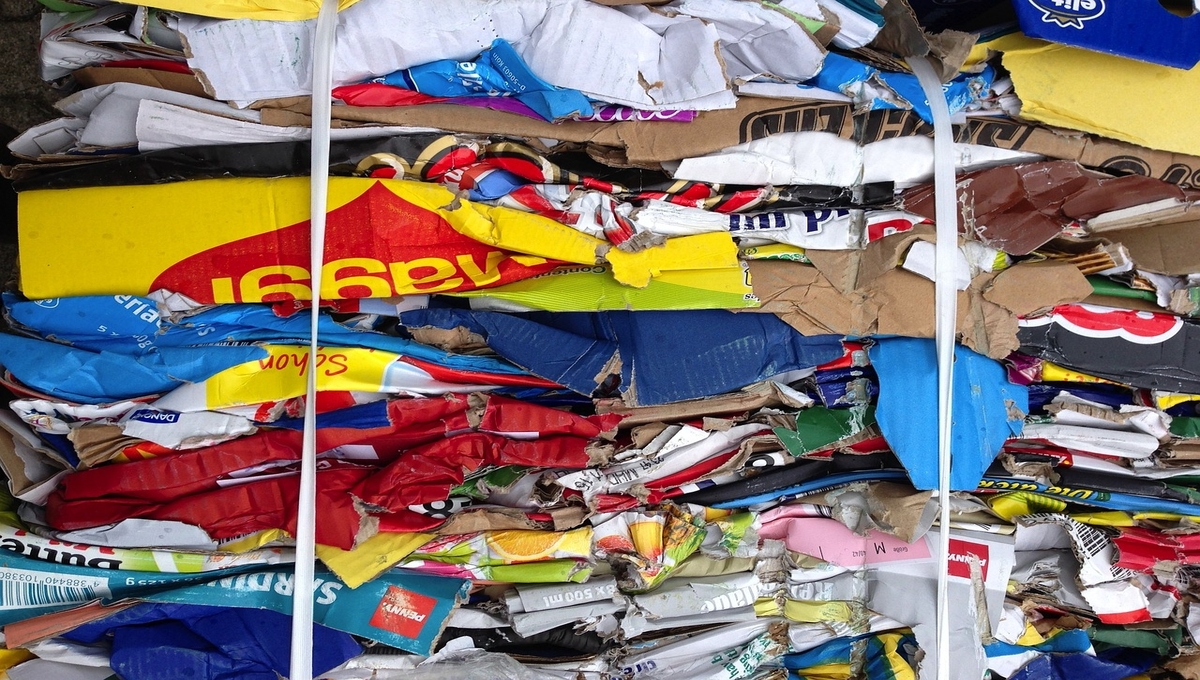
The problem of packaging waste has taken on crucial relevance in a world characterised by quick use and disposal. The landfills are filled with mountains of discarded packaging materials, including cardboard and plastic, endangering the sustainability of the world. On a global scale, approximately 17% of the total packaging waste generated is composed of paper and cardboard. Plastic waste, which is a significant component of packaging waste, has increased to 400 million metric tonnes as of 2021. The average lifespan of plastic products falls at 10 years, but it can take upto 500 years to decompose depending on its composition and disposal. Furthermore, over 12 billion metric tonnes of plastic waste is projected to end up in landfills by 2050.

Under such staggering statistics, consumers have begun to analyze and reshape their lifestyles and purchasing patterns. Consumers are trying to be more aware and responsible of the impact of their choices on the environment which prompts them to opt for more sustainable packaging options. The critical connection between consumer awareness and minimizing packaging waste is explored in this article. It looks at viable measures to promote awareness, the current situation of packaging waste, and the impact that informed consumer decisions can have. Let us examine how consumers can change how one thinks about packaging waste for a more sustainable future by increasing their knowledge.

Continue reading “What is the role of consumer awareness in reducing packaging waste?”
Featured

How the Jugaad system of India promotes circularity?

Jugaad is a colloquial Hindi word which means making something in an innovative, quick and low cost way with limited resources available. It is a way of life in India that promotes circular economy by repurposing, reusing and recycling useless materials, that would otherwise have been thrown away as waste, in an innovative and useful way.

Continue reading “How the Jugaad system of India promotes circularity?”
Featured

Can circularity be achieved in biomedical waste management?

Proper disposal of biomedical waste is of utmost importance in the sectors of healthcare services and research institutes. To safeguard public health and the environment, there is an urgent need to answer the question of whether biomedical waste management can attain circularity as society shifts progressively towards a sustainable future. Approximately 85% of the total biomedical waste generated is general, non hazardous waste and the remaining 15% is hazardous waste that is infectious, toxic, or radioactive. The annual rate of injections administered rounds up to 16 billion on a global scale. However, the resulting waste materials generated from this process are not disposed of properly. Hence, it is essential to ensure the proper disposal and treatment of materials contaminated with hazardous and non hazardous materials that align with the circular economy for safe and environmentally sound waste management.

Continue reading “Can circularity be achieved in biomedical waste management?”
Featured

How choosing the right packaging material promotes circularity?

Over 30 billion tons of the world’s non-renewable waste comes from packaging industries, of which only 8.6% goes back to the economy. The remaining 23.9 billion tons ends up in landfills and chemical recycling facilities. The materials used in packaging industries are mostly produced from fossil fuels and they are not degradable.

Continue reading “How choosing the right packaging material promotes circularity?”
Featured

Can a minimalist lifestyle promote circular consumption?

In a world driven by consumerism and rapid technological growth, the concept of a minimalist lifestyle has certainly gained significant attention. A minimalist lifestyle goes beyond the idea of simply decluttering one’s living space; it is a conscious choice to simplify and streamline various aspects of life. Now, the latest statistics on consumption rates point out that the annual rate of raw material consumption stands at 100 metric tonnes on a global scale. Economic progress over the last few years has caused severe environmental degradation due to overconsumption of resources. The global material footprint has risen to a staggering amount of 92 billion as of 2017, up from 54 billion in 1990. The average resource use per person is projected to be 71% higher than the current rate in 2050, as per the United Nations International Resource Panel. Under such conditions, it is important to rethink the current lifestyle in order to transition to a healthy consumption pattern.

Continue reading “Can a minimalist lifestyle promote circular consumption?”
Featured

Can artisanal small-scale industries embrace circularity?

The potential of a circular economy has drawn a lot of interest in the search for a more resource-conscious and sustainable future. In this movement, artisanal small-scale industries stand out as a distinctive and important sector, and it is important to explore their societal, economic, and environmental impacts. Artisanal small-scale industries are rooted in craftsmanship, heritage, and culture and offer significant growth in the rural economy by expanding localised production. As of 2022, the global artisanal market size had reached US$ 752.52 billion, and it is predicted to grow at a rate of 9.1% during 2023–2028. This sudden growth is propelled by travel and tourism across the globe, where travelers search for souvenirs and the aesthetic value that such products provide as decor in homes, offices, restaurants, and cafes. Additionally, they are in high demand since they are sustainably crafted and more eco-friendly.

Continue reading “Can artisanal small-scale industries embrace circularity?”
Featured

How can consumer awareness foster circular economy adoption?

The circular economic model aims to produce goods and services sustainably through limited consumption and waste management at all stages of a product’s lifecycle. In contrast to the linear economy, the circular economic model aims to break the produce-consume-dispose pattern by recycling the waste generated during these stages. This is then transformed into raw materials to be used for production and other purposes. However, only 7.2% of the world’s total economy is circular. This is largely due to increased material consumption. This has reduced the global circularity from 9.1% in 2018 to 8.6% in 2020 to 7.2% in 2023. This circularity gap draws attention to the reality that the world exclusively uses virgin resources, of which 90% are wasted, lost, or otherwise unusable since they are consumed by permanent stock.

Continue reading “How can consumer awareness foster circular economy adoption?”
Featured

How sustainable is minimalist fashion?

The fashion industry, a powerful titan in the field of international trade, has a significant impact on the cultural and economic aspects of the world. It is one of the biggest contributors to the global economy. Statistics in the fashion sector before the COVID-19 pandemic indicated a global revenue between $1.7 trillion and $2.5 trillion. Even though the pandemic caused a 20% decline in revenue in the fashion industry, the global fashion market has continued to thrive despite its sustained period of turbulence and aftershocks. However, around 40 million metric tons of textile waste are generated annually by the fashion industry worldwide, most of which is either disposed of in landfills or burned. The fashion sector is one of the most resource depleting industries in the world because it consumes vast amounts of land, water, and virgin raw materials.

Continue reading “How sustainable is minimalist fashion?”
Featured

How to celebrate a green Diwali?

Diwali, also known as the festival of lights, is one of the main festival celebrated in various parts of India. Diwali is associated with good food, fireworks, lightings and rangoli. But according to data released by civic bodies, 50 tonnes of excess waste is collected every year after Diwali, in comparison to normal days.

Continue reading “How to celebrate a green Diwali?”
Featured

Does consumer behaviour affect food waste management?

Globally, a total of 931 million metric tonnes food is wasted at the household, service, and retail levels. Although global food production rates have risen in the last twelve years, the world is facing a serious hunger crisis, with 345 million people expected to be food insecure in 2023. Additionally, 10% of the total greenhouse gas emissions occur from food that is produced but not consumed. In this scenario, having an effective strategy for food waste management becomes crucial. 

In simple words, food waste management involves the processes of prevention, recovery, and recycling of food waste. It is important to note that food waste generation is heavily dependent on the demand and supply of food. Such demand and supply dynamics ultimately come down to consumer behaviour. To this end, the article explores how consumer behaviour can significantly affect food waste management.

Continue reading “Does consumer behaviour affect food waste management?”
Featured

What are the various rooftop farming techniques?

Rooftop farming is an urban agricultural practise that uses limited space and minimal resources. In urban areas where land loss is a pressing issue, it is a practical solution to take advantage of rooftop spaces. With 55% of the world’s population residing in urban areas and 266 million urban households in developed countries involved in crop production, rooftop farming has the potential to develop into a sustainable household production system. Moreover, rooftop farming has also proven to have environmental benefits like reduced carbon emissions by cooling buildings, increased availability of healthy food, and green recreational spaces. The techniques adopted for this agricultural practise vary greatly depending on the architecture, resource availability, and type of crop cultivated. Let us delve deeper to understand the advances and various techniques of rooftop farming.

Continue reading “What are the various rooftop farming techniques?”
Featured

Can construction and demolition waste be recycled?

With rapid urbanization and population growth there is a significant increase in construction and demolition projects worldwide which generates a significant amount of waste. The annual construction waste is expected to reach 2.2 billion tons globally by 2025. Let us understand in detail what these waste are and whether they can be recycled.

Continue reading “Can construction and demolition waste be recycled?”
Featured

How to have a green wedding?

Weddings are considered to be auspicious and most important event in one’s life. It involves months of planning by the family members and the event planners, especially in India, where “big fat weddings” are most common. But these grand celebrations create a lot of waste- single-use plastics, floral décor, left over food and so on. India’s wedding market is rising annually by 25%, while China’s market is growing by 7.8% annually. Also reports shows that in Britain 245,513 weddings took place in the year 2019 generating almost 4,910 tonnes of single use plastics.

Continue reading “How to have a green wedding?”
Featured

Can waste from beauty salons be recycled?

Often when we go to a beauty salon to relax and to look and feel good, we do not realize the impact it will have on our environment. Most of the wastes that are generated from different services of a beauty salon directly goes to the landfill as 70% of salon professionals are unaware of the recycling options of various products and the environmental impacts of the waste. According to some studies, waste from salons account for almost 400 million tons of waste per year, out of which 150 million reaches landfills. So, what are these wastes that are generated from a salon?

Continue reading “Can waste from beauty salons be recycled?”
Featured

How to implement circular economy in the meat industry?

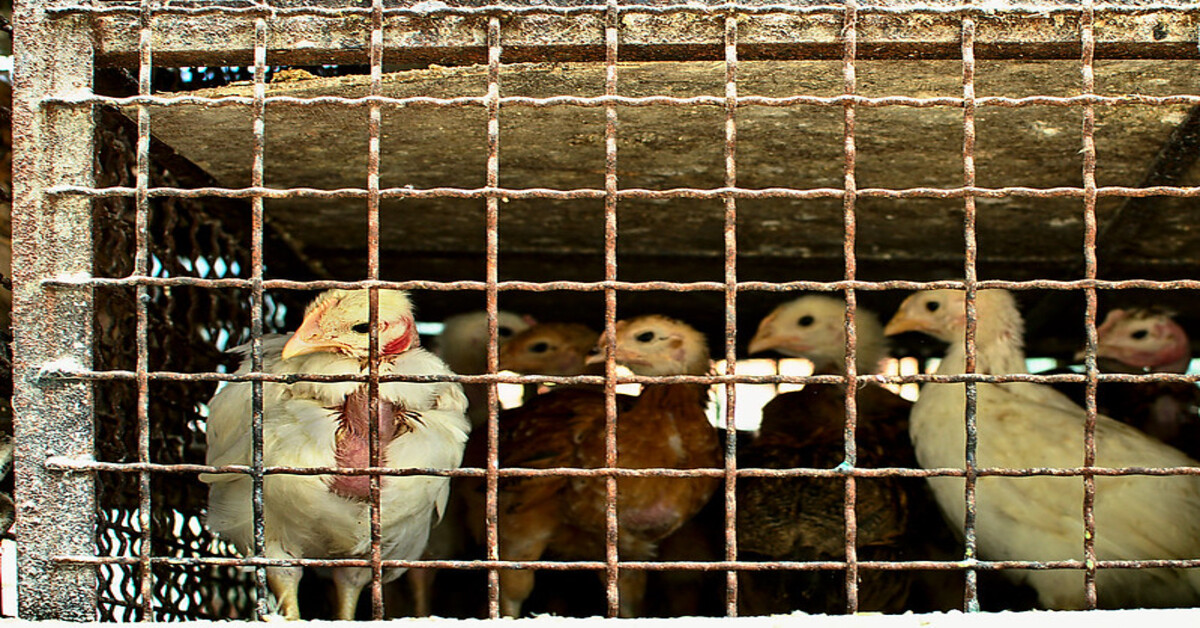
In the last few years the demand and production of meat has increased considerably with the increase in world population. The global meat production between the years 2016-2022 has increased from 317 million metric tons to 345 million metric tons. Poultry meat accounts for the highest percentage of meat production (41%), followed by Pork (34%), Beef (20%) and Lamb (5%). With this production comes its associated problems like greenhouse gas emissions from livestock , increased use of water, land and energy and the generation of waste materials from the slaughter houses. Slaughtering is the process of killing and butchering of animals for food. Slaughter house wastes consists of solid, liquid and semi solid materials that pose a threat to the environment. The question is how these wastes can be managed so as to promote Circular economy and minimize the impact on the environment.

Continue reading “How to implement circular economy in the meat industry?”
Featured

How to conserve native plants and agrobiodiversity?

In this age of globalization, countries have added other cultural practices into their lifestyle. The introduction of non-native plant species into the local ecosystems has caused many issues. This particular global exchange is threatening traditional plants and agricultural practices. For example, modern practices like genetically modified seeds, excessive use of pesticides and tree monoculture in plantations damages thousands of native species. Urbanization has also reduced green cover where cities are encroaching on agricultural lands and forests. So, what is so special about native species and what can be done to conserve them?

Continue reading “How to conserve native plants and agrobiodiversity?”
Featured

How is the Farm-to-Table movement promoting Sustainability?

Cleanliness is said to go hand-in-hand with godliness and this saying proves to be truer than ever at a time like this while the world battles a pandemic. But it does not end there. Over the past year people have started paying closer attention to the quality of hygiene in their surroundings, investing in more advanced technology to help them lead a cleaner, healthier lifestyle and most importantly paying attention to what they consume. Now more than ever, the Farm-to-Table movement, popularly known as the ‘ Farm-to-Fork ‘ movement, and certain aspects of it have started to become more popular because of a growing need to eat better, healthier, fresher produce. The key is to understand what this movement aims to achieve and how can one start small by imbibing from it the key factors and practicing them to lead a sustainable lifestyle.

Continue reading “How is the Farm-to-Table movement promoting Sustainability?”
Featured

Can Mycelium be the new biomaterial?

Single-use plastics are taking over in supermarkets and almost everywhere else. Plastic is infamous for polluting the planet, as it can take up to 450 years to decompose. Other materials of today also come from energy-intensive manufacturing processes. They are formed by high-energy extraction methods. It is clear that the current industries are contributing to carbon emissions and non-biodegradable waste. As the world is being taken over by waste and pollution, we need alternative materials. Advancements in science and a keen interest in natural materials has started a chain of action. New materials like hemp, algae, seaweed, and mycelium are replacing plastics. These radical ideas challenge everything we know about the materials we are accustomed to. How can mycelium become part of the circular economy?

Continue reading “Can Mycelium be the new biomaterial?”
Featured

What is the science behind Miyawaki forests?

Trees play a pivotal role in maintaining the health of the ecosystem, although, it seems like humans are ignorant of this fact. Trees have been mercilessly cut down in the name of ‘development’ which has repercussions like soil erosion, lowering of the water table, silting, desertification. This has led to deeper implications including food crises, water shortages, health crises, loss of livelihood, and climate change. Afforestation could help to reverse this damage. But are planting trees enough? Is all the green really ‘green’? While planting trees is a great practice, not all trees will give the same advantages. Some end up being ornamental pieces that don’t support local biodiversity. Some introduced foreign species tend to dominate and threaten the existence of native species. There is a solution to provide a shade of greenery that serves its purpose well. It is gaining much popularity and is called the Miyawaki forest method.

Continue reading “What is the science behind Miyawaki forests?”
Featured

Can agro-waste serve as construction material?

The amount of global agricultural produce is ever-increasing with the rising human population, and so is the amount of agricultural waste produced. Much of the solid waste produced by the agriculture industry ends up in landfills or gets incinerated as people are unaware of what can be done with agro-waste. A seemingly unrelated industry, the modern construction sector, is on a mission to source building materials sustainably due to dwindling natural resources and rapid urbanization. Can we find an opportunity in this situation and attempt at creating an arrangement that is beneficial for both sectors? Can agricultural waste be used to serve the construction industry, systematically?

Continue reading “Can agro-waste serve as construction material?”
Featured

Can shipping containers help circular economy?

The shipping containers carry shipments all across the globe. They have been useful tools for manufacturing companies. A shipping container is considered an “intermodal freight container“, i.e., it can be moved from one mode of transport to another- it can be loaded on ships, on trains, and on trucks thereby allowing goods transport via water, rail and road. They are sturdy, reusable and can carry about 27,600 kg. They can serve for a life span of 15-20 years, although the average container will spend more than half its life sitting empty and unused. They often don’t return to their place of origin as it gets expensive to send them back. They end up piling up on ports or even construction sites. This is another example of the malfunction of international capitalism. They can be melted down but that requires over 8000kWh energy for each container! So, mostly they end up getting rusted or are left in landfills.

Continue reading “Can shipping containers help circular economy?”
Featured

Is circular economy same as zero waste economy?

The zero-waste concept, as well as the circular economy concept, criticize the present linear economy model to see how one can redefine the existing one-way process of design and development. The journey of a product from its manufacture to its consumption to its repudiation is closely examined. According to both models, all the materials and processes involved should have lesser impacts ecologically and economically. Both the systems, question and challenge the take-make-waste model and try to work out an alternative that performs better. While having a common aim of environmental conservation, there are differences in the approach that makes a distinctive impact in the implementation of these principles.

Continue reading “Is circular economy same as zero waste economy?”
Featured

Can agroforestry regenerate farm land?

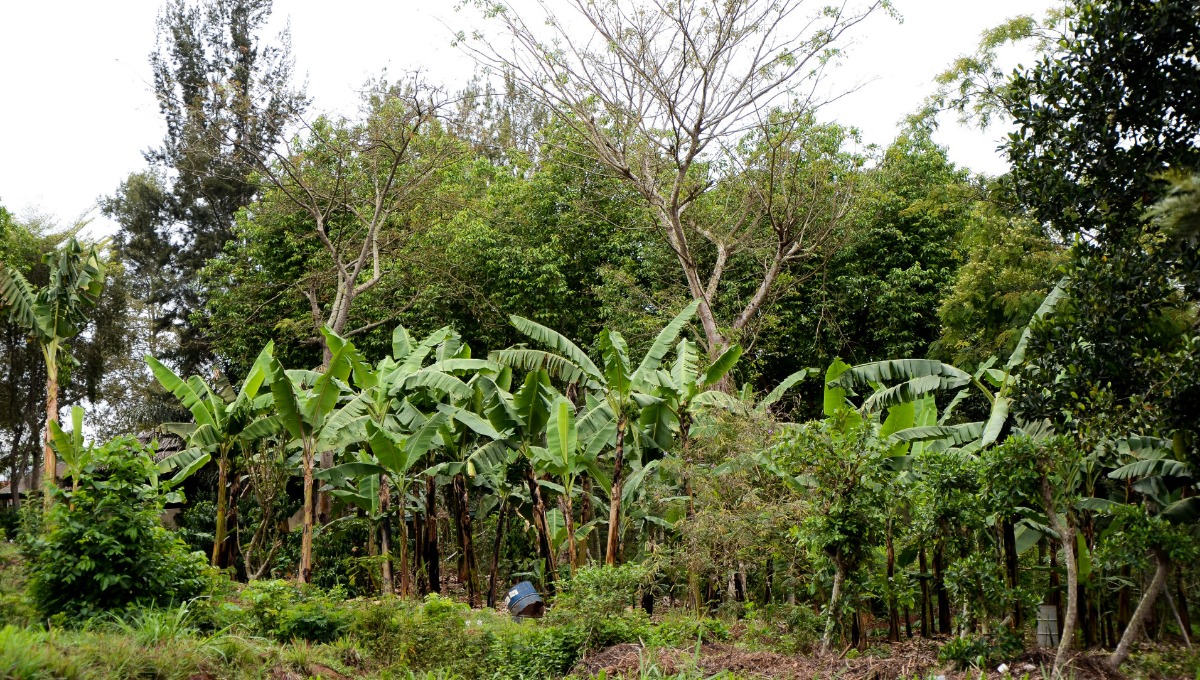
Agroforestry integrates agriculture and forestry, with a focus on using a variety of plant species to help one another. The system uses woody perennials as a support for growing herbaceous plants and it can be implemented from the scale of a home garden to a large estate. Woody perennials are evergreen trees that have hard stems and grow continuously with each passing year, surviving even through winters. Herbaceous plants, on the other hand, have soft stems and a periodic life cycle. In general, these are the plants we cultivate for our consumption. In effect, the system of agroforestry utilizes the circular process of the natural ecosystem, rather than breaking the flow of the biosphere through monocropping.

Continue reading “Can agroforestry regenerate farm land?”
Featured

Which soil-less farming technique is the best?

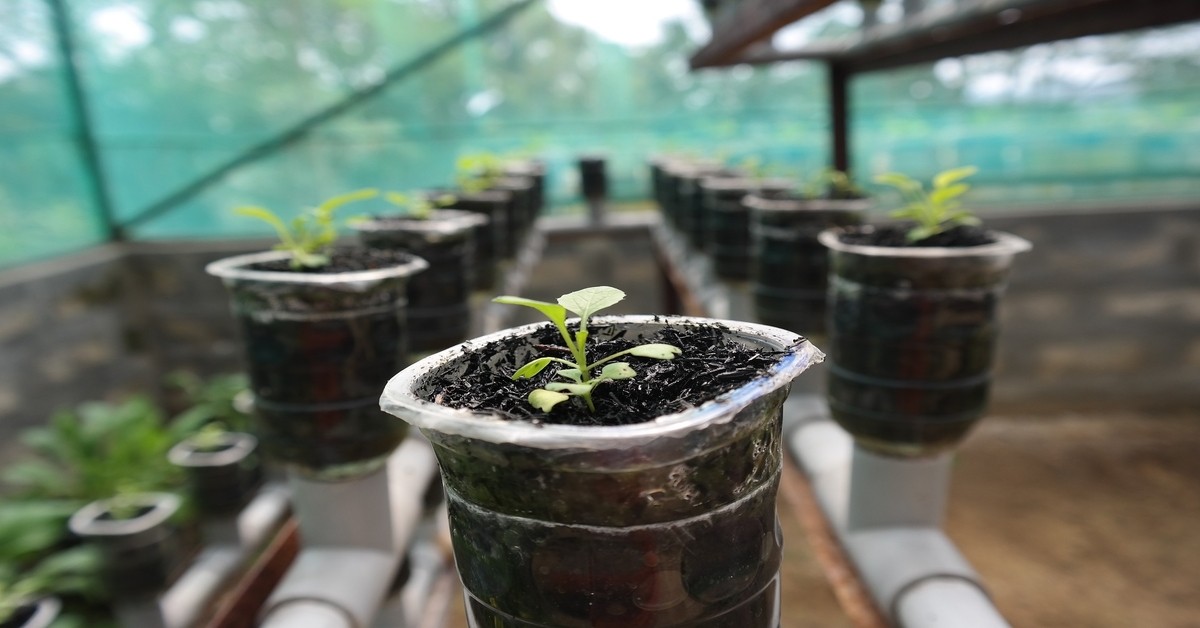
For over ten millennia, man used the earth to produce his bread and butter. So, why soil-less farming, now? Why not use soil for farming, like it has been done for centuries? Research indicates that with the current rate of soil degradation due to chemically intensive farming and rising populations, only sixty years are left for us to use the earth for food generation. This is because it takes a thousand years to generate just three centimeters of topsoil. Soil-less plant growth also helps in water conservation. Therefore, it is very crucial right now to make a switch to more self-sustaining farming methods that depend less on external resources.

Continue reading “Which soil-less farming technique is the best?”
Featured

Can Hemp bring a Plastic Revolution?

With growing concerns around the globe due to rapidly increasing plastic pollution, governments and global companies are quickly finding solutions to this growing problem. Every hour almost 55 million plastic bottles are sold. Plastics found in these bottles are petroleum based and are made of our limited fossil fuels. However being cheap, lightweight, and, easily manufactured makes most companies turn a blind eye to the fact that most of these plastics are neither recycled nor reused. As of right now, only a mere 9% of all the plastic every made has been recycled, with a slightly larger portion incarnated and the rest dumped in landfills ultimately finding their way to our oceans. Global companies such as PepsiCo, the world’s second largest plastic polluter, are finding ways to reinvent their packaging by utilising recycled plastic instead of virgin plastic. However what if we can replace plastic all together and introduce environmental friendly options like Hemp.

Continue reading “Can Hemp bring a Plastic Revolution?”
Featured

What is E-Waste recycling and its importance?

The rapid global rise in technology has generated advanced electrical and electronic equipment with short lifespans. For example, in 2018, Apple sold more than 217 million iPhones. A consequence of such high demand and supply of electronic products is electronic waste (e-waste) which, in 2018 amounted to 50 million tonnes. E-waste is projected to grow annually 3-5% which is three times more than other waste streams. Reports on recycling rates vary, with estimates of around 20–30%. It is estimated that more than 70% of globally produced waste electronics and electrical equipment (WEEE) enter China, Africa and India for reprocessing, much of it illegally, and often using crude, hazardous and inefficient processes. Dumping and incinerating large amounts of WEEE has a severe impact on human life and the environment, as it leads to the release of toxic heavy elements such as lead, mercury, chromium, nickel, beryllium, arsenic and antimony into the air, soil and water cycles.

Continue reading “What is E-Waste recycling and its importance?”
Featured

What is Carbon Capture Usage and Storage and its role in circular economy?

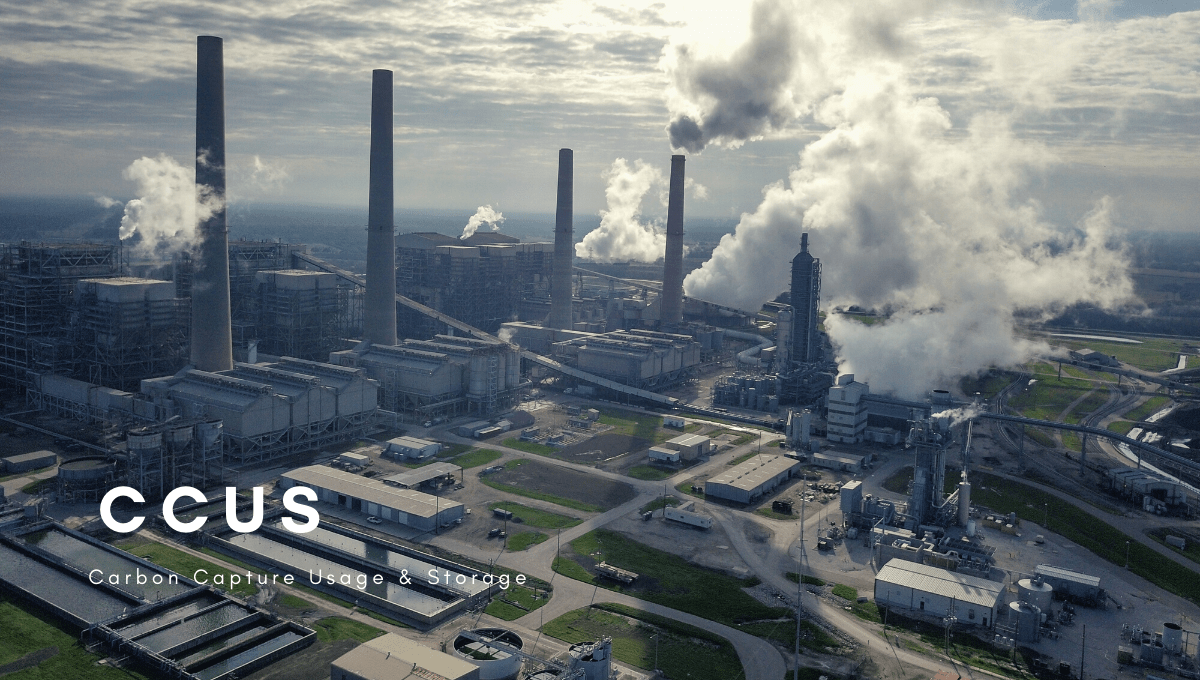
In November 2020, the U.K. announced its 10 point plan for a Green Industrial Revolution where one aspect was Carbon Capture, Usage, and, Storage (CCUS). Since April 2020, the USA has announced more than 9 new CCUS plants. Globally, CCUS has been gaining popularity when it comes to climate change mitigation measures. Intergovernmental Panel on Climate Change (IPCC) has used CCUS in their future scenarios multiple times as it is only of the few technologies that have negative emissions. Understandably, governments have started to consider the technology in their journey to net-zero emissions. But what is CCUS and its contribution towards a circular economy? Let’s find out.

Continue reading “What is Carbon Capture Usage and Storage and its role in circular economy?”
Featured

Why Upcycled Products Cost More?

Waste has become a major environmental challenge in cities as the population increases and people consume more goods. It is estimated that the European Union (EU) alone generates 2.5 billion tonnes of waste every year. In our linear economies, such waste generation is common in every sector. In the fashion industry, for example, the equivalent of one garbage truck of textiles ends up in the landfill or gets incinerated. However, people are coming up with innovation and initiatives to tackle these problems and propose ways of avoiding the accumulation of waste. One such concept is called “upcycling”. “Upcycling is the reuse of otherwise discarded objects or materials in such a way as to create a product of higher quality or value than the original”. The product created can have more artistic or environmental value. The main motive of upcycling is to continue the life of the product.

Continue reading “Why Upcycled Products Cost More?”
Featured

How are the COVID lockdowns affecting food waste?

With the onset of December, throughout Europe, the second wave of coronavirus has initiated a second lockdown. Countries like France, United Kingdom, Austria, Germany, Portugal and Sweden have closed their bars and shops again like the previous lockdown. These measures become challenging for the food industry as it is still trying to cope with the losses of the first lockdown. The food industry is one of the most affected industries by the pandemic. The supply chain blockages, lack of labour and the closure of restaurants and bars are some of the ways in which the industry was affected. It resulted in large amounts of waste generation from all levels due to a change in consumer behaviour. Understanding the challenges posed by the first lockdown, such as the large amount of food waste generated, is crucial to effectively prepare for them in the coming months. In what follows, we analyze the food waste stemming from various levels of the supply chain.

Continue reading “How are the COVID lockdowns affecting food waste?”
Featured

[Guest feature] Can pyrolysis help to tackle the plastic pollution?

In 2017, BBC premiered “Blue Planet II”, a nature documentary series on marine life. The documentary had a significant impact on the public and it highlighted the issue of plastic pollution as shown in Figure 1. The “blue planet effect” is the term described by many researchers as the change in the plastic consumption behavior of the public after watching the documentary. The plastic pollution has ever since become a major concern for many organizations and institutions. Some key facts about the issue are:

Continue reading “[Guest feature] Can pyrolysis help to tackle the plastic pollution?”
Featured

What is Circular Economy?

In 1684, the steam engine was invented by Thomas Savery which has arguably kick-started the industrial revolution. Since then, human civilization has produced large amounts of goods. Humans have invented fast fashion, industrialized agriculture, processed foods and other forms of mass-produced goods. Despite the job generation, improvement in human life and technological advancements that have come along with the industrial revolution, we have also generated tremendous amounts of waste. Wrapping our heads around the enormous amount of food and goods that are thrown away every year is not an easy task. For example, every second, the equivalent of one garbage truck of textiles ends up in the landfill or gets incinerated. This amounts to upwards of 31.5 billion garbage trucks of textiles every year. It is estimated that every year, 2.5 billion tonnes of waste is generated in the EU. These issues have been caused due to the linear nature of our economies. Manufacturers use raw materials and make products which are non-recyclable and perish easily. They do not consider what happens when the products reach the end their life and therefore, the products are thrown in landfills.

Continue reading “What is Circular Economy?”
Featured

How sustainable is the aviation industry?

­The aviation industry is responsible for 5% of all the global greenhouse gas emissions. While this may not seem like a major issue, the problem with the industry is emission reductions. The industry, pre-COVID, was predicted to double by 2037 which also presents a challenge. Currently, it is very hard in the aviation industry to reduce emissions without taking significant financial losses. But reducing these emissions is very crucial in order to meet the Paris Agreement targets.

Continue reading “How sustainable is the aviation industry?”
Featured

­How can circular economy help the food system?

On 8th March 1968, William S. Gaud coined the term “Green Revolution” in his speech. Later Norman Borlaug received a Nobel Peace prize for pushing the concept and lifting countless farmers out of subsistence lifestyles and saving hundreds of millions of people from starvation. Currently, the food industry is the world’s largest industry, with over 1 billion people working each day to grow, process, transport, market, cook, pack, sell or deliver food. But the drive for high yields and lower costs has led to numerous unwanted issues.

Continue reading “­How can circular economy help the food system?”
Featured

Do you know the dark side of renewable energy?

On 4th March 2020, the European Commission announced that Europe will plan to be climate neutral (net-zero greenhouse gas emissions) by 2050. Europe’s energy market will decarbonize into a renewable energy market where solar, hydro and wind energy provide most of Europe’s energy demands. Similar efforts are being made in London, where the Mayor has committed for London to be a zero carbon city by 2050. The International Energy Agency (IEA) has also forecasted that solar energy will be the main driver of growth in global electricity over the next decade with the onshore and offshore wind taking second and third place, respectively. All of these are good news but since solar and wind power are relatively young technologies, there exists a real concern of waste- often overlooked. What happens when the renewable energy generators reach the end of their lifetime and is there a way to recycle solar photo-voltaic (PV) modules and wind turbines?

Continue reading “Do you know the dark side of renewable energy?”
Featured

How to attain circular economy in fashion industry?

The fashion industry is the second most polluting industry (after the oil industry). This is due to the high water footprint, land footprint, high use of fertilizers and pesticides. The industry is also responsible for 10% of the global greenhouse gas emissions worldwide due to its long supply chains and energy-intensive production. As the population grew consumerism has created a mass market for cheap apparel where products are perceived and treated as disposable. This has given birth to the notion of ‘fast fashion’, which represents low-quality products that are mass-produced for easy consumption. A staggering 80 billion pieces of clothing are consumed each year which represents an increase of 400% from the 1990s.

Continue reading “How to attain circular economy in fashion industry?”
Featured

­­­­­How to tackle religious waste in India?

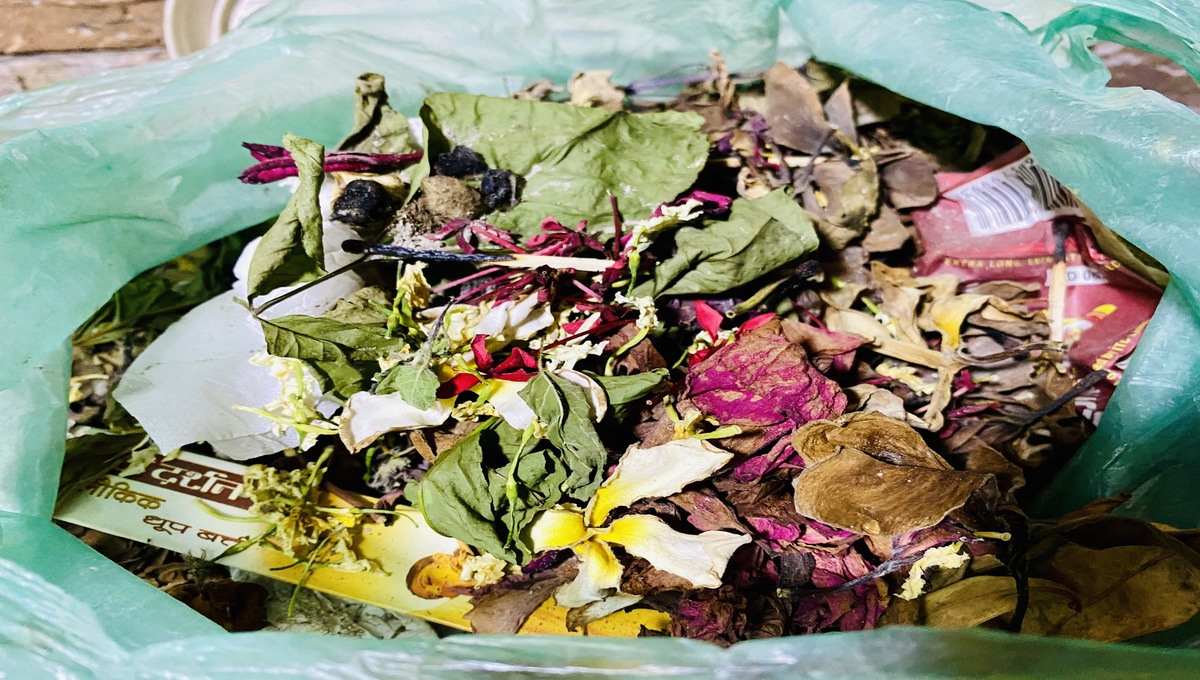
There are more than 400 rivers in India, which provide 90% of the country’s water. But according to the Central Pollution Control Board, the water in half the nation’s rivers in unsafe to drink and at least a quarter of the rivers cannot be used for bathing. Apart from industrial and domestic waste, a high level of pollution in the rivers come from religious activities. The waste from these religious activities include statues of deities, flowers, pots, ashes and incense sticks.

Continue reading “­­­­­How to tackle religious waste in India?”
Featured

Why you should harvest rainwater?

With the onset of climate change, water scarcity is quickly becoming a major concern for many countries. World Wildlife Fund estimated about 1.1 billion people worldwide lack access to water, and by 2025, two-thirds of the world’s population is expected to suffer from water shortages. Climate change is altering the local weather patterns leading to droughts in drier areas and flooding in other areas. In 2018, Cape Town (South Africa) introduced the concept of “Day Zero” whereby most of city’s tap water supply was shut down to curtail water usage. In July of 2019, signs of a similar “Day Zero” surfaced in parts of India. On the other hand, the annual rainfall in India for that year was above normal compared to the previous years as reported by the India Meteorological Department. Therefore, the water scarcity during the year can be attributed to mismanagement of the rainwater. Proper planning and rainwater harvesting systems can help in not only recharging the groundwater but also reducing the municipal water consumption of the households.

Continue reading “Why you should harvest rainwater?”
Featured

[Guest feature] Can regenerative permaculture trump sustainability?

There is overwhelming evidence to tell us that we, this funny human race, must change our ways or be kicked off the earth as we know it. This is the Anthropocene – the current geological age where human activity is the dominant force affecting the climate, atmosphere and environment. The ‘sustainability movement’ is now rich with players, concepts and strategies, but is it effective or is it inherently flawed? ‘Sustainable’ practices, by definition, seek to maintain the status quo and keep the situation from getting worse. We’ve seen the sustainability agenda pushed for the last twenty five years and yet our planet has reach unprecedented levels of pollution, high temperatures, melted permafrost, extreme weather events, topsoil loss and biodiversity death. Clearly, ‘sustaining’ is not good enough. We need to look at restoration. We need to embrace solutions focused not on ‘sustainability’ but on regeneration. This is where the permaculture movement comes in. While many certified organic agriculture practices qualify as sustainable, they are, at the end of the day, extractive and depleting natural resources. Permaculture systems get stronger, more resilient, more diverse and more self-supporting over time. This article, curated by active permaculture practitioners from the Odd Gumnut farms, will shed light on the permaculture movement by diving into each of the twelve guiding principles of permaculture.

Continue reading “[Guest feature] Can regenerative permaculture trump sustainability?”
Design a site like this with WordPress.com
Get started