

Ganga or the Ganges, is one of the most important river in India, both ecologically and culturally. Nearly 600 million people reside in and around the Ganga River Basin. But it is also one of the topmost polluted rivers in the world, with plastic being one of the major pollutant. Ganga alone carries nearly 115,000-600,000 tons of plastics per year.
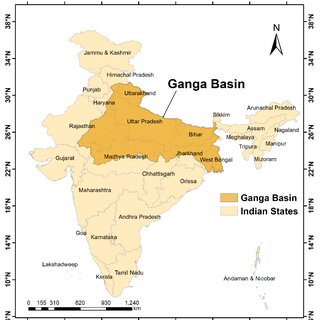
The Ganga river mainly passes through the states of Uttarakhand, Uttar Pradesh, Bihar, Jharkhand and West Bengal. The Ganga basin, which spreads across 11 states, provides more than one-third of India’s surface water, 90% of which is used for irrigation. As the river flows through different states with dense population, it often gets polluted with industrial waste, untreated sewage, religious offerings, agricultural run-offs, etc. Domestic sewage accounts for 70-80% of the wastewater that enters into Ganga, whereas industrial effluents constitutes 15% of it.
This article discusses the threat of plastic to the Ganga river and what we as a responsible citizen can do to protect it. But before that lets see what are the ecological services provided by the mighty Ganga river.
Ecosystem services provided by the Ganga
The Ganga river provides a number of ecosystem services which are vital for both the environment and human well being. Some of the key services are:
Perennial source of freshwater
It is a major source of freshwater for millions of people living along its bank. The water is used for drinking, irrigation, domestic use, livestock bathing and also for industrial purposes.
Rich biodiversity
Ganga houses various species of aquatic fauna such as fishes, dolphins, etc. ; diverse range of bird species, both migratory and resident; various species of mammals, reptiles and amphibians and also plant and microbial species. It supports a significant population of the endangered Gangetic river dolphin.
Power generation and transportation
Ganga and its tributaries are used for travel and transport of people, crops, livestock and other goods. The hydroelectric potential of Ganga and its tributaries have been exploited in the development of many hydroelectric power stations along its tributaries.
Soil fertility
The river ecosystem help to break down organic matter and release nutrients, which are essential for soil fertility and agriculture.
Religious/cultural significance
The river holds immense cultural and spiritual importance for millions of people and is considered sacred. Its banks are dotted with pilgrimage sites.
Apart from these it also regulates the climate as the forests in the Ganga basin absorbs carbon dioxide and releases oxygen into the atmosphere.
Thus it is important to recognize the significance of these services provided by this river system and the threat it is facing, along with the conservation efforts.
Plastic pollution in the Ganga river
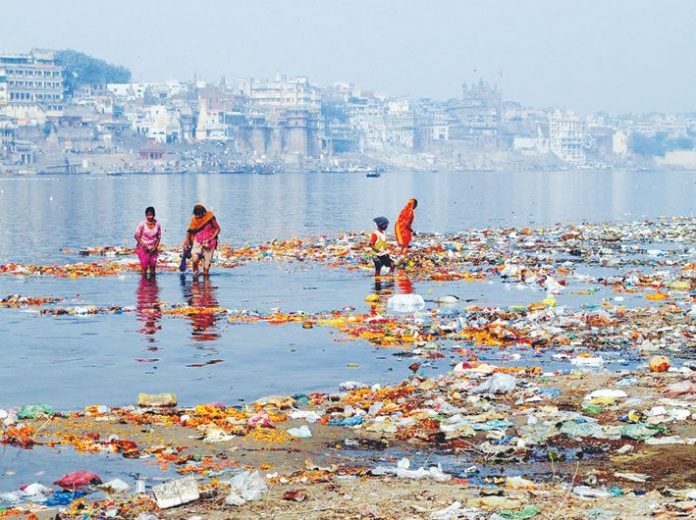
The Ganges network forms the second largest plastic polluting catchment in the world, with over 0.12 million tonnes of plastic discharged into the ocean every year. It is among the 14 continental rivers into which over a quarter of global waste is discarded. Also it is among the top contributors of land-based plastic pollution into the global oceans. Uttar Pradesh and Jharkhand, the top two plastic waste generating states of India are located along the Ganga river. Plastics mainly in the form of discarded plastic bags, food-packaging films, disposable bottles and cutleries are dumped into the river. The plastics dumped into the Ganga river break down into small particles, called microplastics, which are finally transported by the river into the ocean. Microplastics are small fragments of plastics that are smaller than 5mm. These microplastics threatens the aquatic and marine biodiversity and also degrade the water quality by making it toxic, thus posing a threat to human health. Microplastics are of two types:
Primary microplastics– These are directly released into the environment as small particles and represent 15-31% of the microplastics in the ocean. Main sources are laundering of synthetic clothes, abrasion of tyres through driving, personal care products (e.g. microbeads in facial scrubs).
Secondary microplastics- These are released into the ocean from the degradation of large plastic objects like plastic bags, bottles or fishing nets. They account for 69-81% of microplastics in the ocean.
So what are the main sources of plastics in the Ganga river?
Major sources of plastic in the Ganga
Industrial effluents
The major contributors of plastics from industries are untreated effluents from textile mills, metal processing plants, distilleries, tanneries and agro-chemical factories. These effluents contain chemicals which increases the nutrient load in river, that results in poor oxygen levels and increased growth of algal blooms (The process is called eutrophication). This affect the life forms in the river.
Religious activities
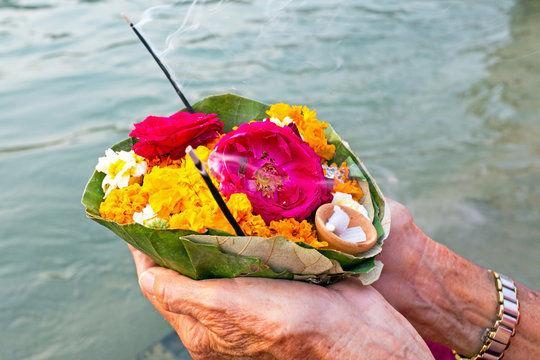
Since Ganga has a big religious significance in India, millions of devotees and tourists visit the pilgrimage sites along the Ganga river every year, and they leave behind lots of garbage, mainly single-use plastics that are used to wrap the offerings. The offerings often contains flowers which is one of the major religious waste that chokes and contaminates the water with pesticides and chemical fertilizers used to grow the flowers.
Human activities
Human activities like domestic washing, abrasion of tyres, use of personal care products, etc. generates a lot of plastic waste. These plastics when dumped openly reaches the river and break down into microplastics, which ultimately reaches the ocean. Since they are non-biodegradable they get accumulated in the aquatic environment posing a threat to various aquatic species as well birds who often ingest the floating microplastics on the water surface.
Fishing activities
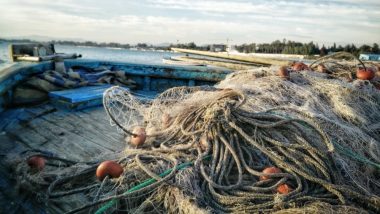
A lot of plastic debris are released into Ganga from fishing activities (e.g. parts of fishing gear like nets, ropes, strings, lines). Fishing nets are hardly recycled. Sometimes the fishers mend and repurpose their nets if they can, but mostly they discard it in the river. Plastic from fishing gear pose a threat to wildlife like critically endangered three-striped roofed turtle and the endangered river dolphin. Fishing gear is mainly made of nylon6, which is a valuable product that can be used to make things like carpets and clothing.
Tackling plastic pollution in the Ganga
Cleaning up of the Ganga river is not an easy task. When it comes to tackling plastic pollution in the Ganga river one can discuss about the numerous steps taken by the Government and the NGO’s. But these organizations alone cannot help in mitigating the problem until and unless people change their mindset and lifestyles. Everybody need to work together to accomplish this task. Here are some of the ways by which an individual can protect the Ganga from plastics:
Reducing single-use plastics
One can avoid the use of single-use plastics like plastic bottles, bags, cutleries and excessive packaging by opting for eco-friendly alternatives like cloth bags, biodegradable packaging and stainless steel bottles and cutleries. One has to be mindful while doing shopping or dining out and boycott as much plastic as one can. This will reduce the plastic waste generated from the day to day activities.
Proper disposal of waste
Waste segregation is the key to proper waste disposal. Nowadays most places have designated waste bins for different types of waste. Recyclable and non-recyclable waste should be disposed in separate bins and littering of waste should be avoided.
Reducing microplastics
One should avoid using products that have microplastics, in order to prevent them from entering the ocean through the river.
Participating in clean up drives
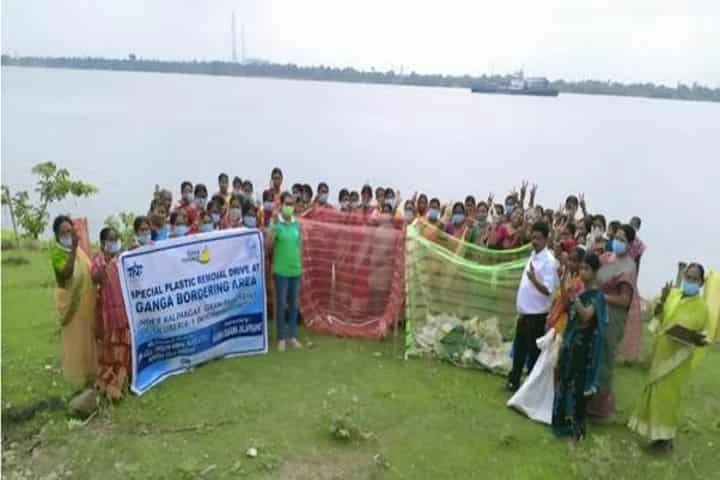
Many NGO’s, Government organizations and communities host clean up drives regularly along the banks of Ganga. One can volunteer for such drives or community clean up events.
Start-ups like Help Us Green is collecting and recycling floral waste from temples along the river bank and making products like incense sticks, organic vermicompost and biodegradable packaging material through its flower recycling technology.
Educating and creating awareness
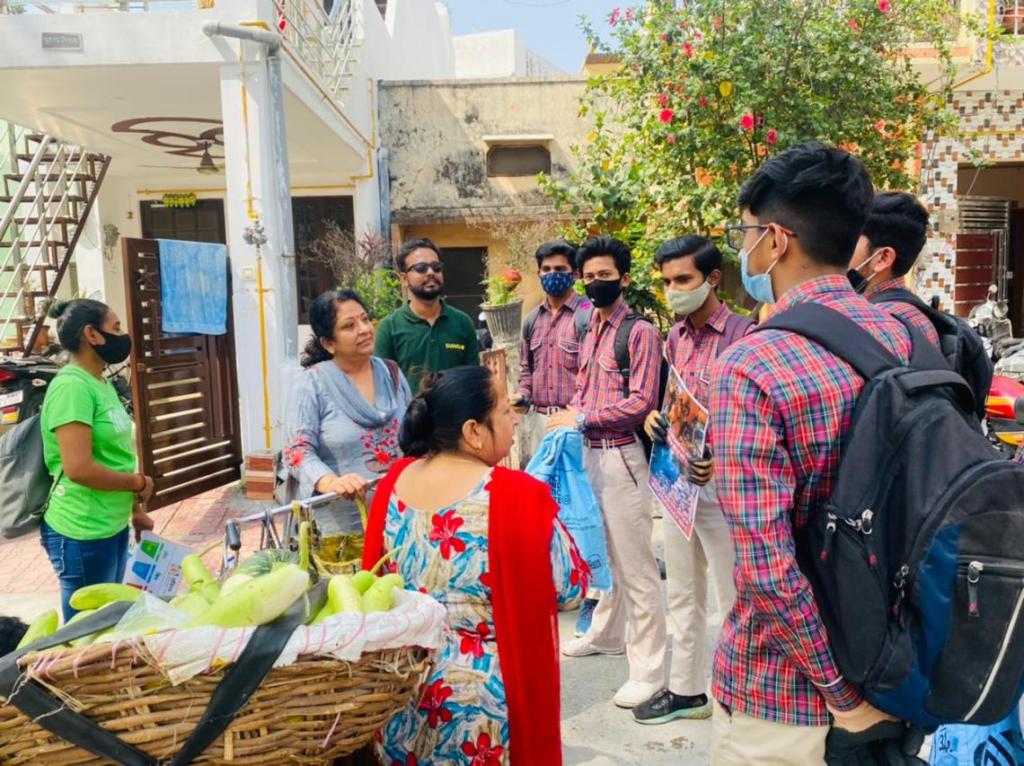
Most of the plastic pollution is caused due to lack of awareness among the general public about its harmful effects. Learning and sharing the knowledge with family and friends about the harmful effects of plastic on the environment and importance of segregation of waste is a way to create awareness among the general public.
NGO’s like Earth5R is working towards creating awareness among the people living along the Ganga basin about the importance of waste segregation and management.
Supporting plastic free initiatives
One can encourage local businesses to reduce the use of plastic and support those that are committed to using eco-friendly products and packaging.
Participating in recycling programs
One can participate in recycling programs in his/her community to segregate the plastics properly and send it for recycling.
Opting for eco-friendly alternatives
One should opt for products or materials that are biodegradable or compostable and will have minimum impact on the environment, while doing shopping.
Promoting eco-tourism
As a tourist one should always choose eco-friendly options like carrying one’s own water bottle and reusable shopping bag, and avoid littering on the river bank. Offerings to God should be wrapped in biodegradable packaging. Instead of polluting one should respect the natural beauty of Ganga.
Stand up for change
Writing to local representatives and policy makers to implement and enforce stricter regulations against plastic pollution is another way. They should be encouraged to support the clean-up efforts and waste management practices.
Volunteering or donating
One can support the local NGO’s and organizations dealing with plastic pollution in the Ganga by volunteering their time or giving donations to carry out the practices.
Conclusion
Protecting the Ganga from plastic pollution is a critical environmental and public health concern that requires sustained efforts. By making conscious choices and advocating for sustainable practices, individuals can help protect the Ganga river and its ecosystem from the devastating effects of plastic pollution. Collective efforts from individuals can lead to significant changes.
 Planet Rescue 101