

The potential of a circular economy has drawn a lot of interest in the search for a more resource-conscious and sustainable future. In this movement, artisanal small-scale industries stand out as a distinctive and important sector, and it is important to explore their societal, economic, and environmental impacts. Artisanal small-scale industries are rooted in craftsmanship, heritage, and culture and offer significant growth in the rural economy by expanding localised production. As of 2022, the global artisanal market size had reached US$ 752.52 billion, and it is predicted to grow at a rate of 9.1% during 2023–2028. This sudden growth is propelled by travel and tourism across the globe, where travelers search for souvenirs and the aesthetic value that such products provide as decor in homes, offices, restaurants, and cafes. Additionally, they are in high demand since they are sustainably crafted and more eco-friendly.
The expansion of the artisanal market provides a valuable opportunity for local artisans and craftsmen to showcase their expertise and make a living out of it as well. However, it is important to analyse the circularity of an industry that preserves traditional methods of production and resource management and how it affects the viability of this sector This article explores the unique connection between artisanal small-scale industries and the circular economy. It aims to uncover the potential for these industries to embrace circularity while maintaining their unique essence in an evolving economic landscape by examining the viability, challenges, and opportunities in this sector.
Understanding artisanal small-scale industries
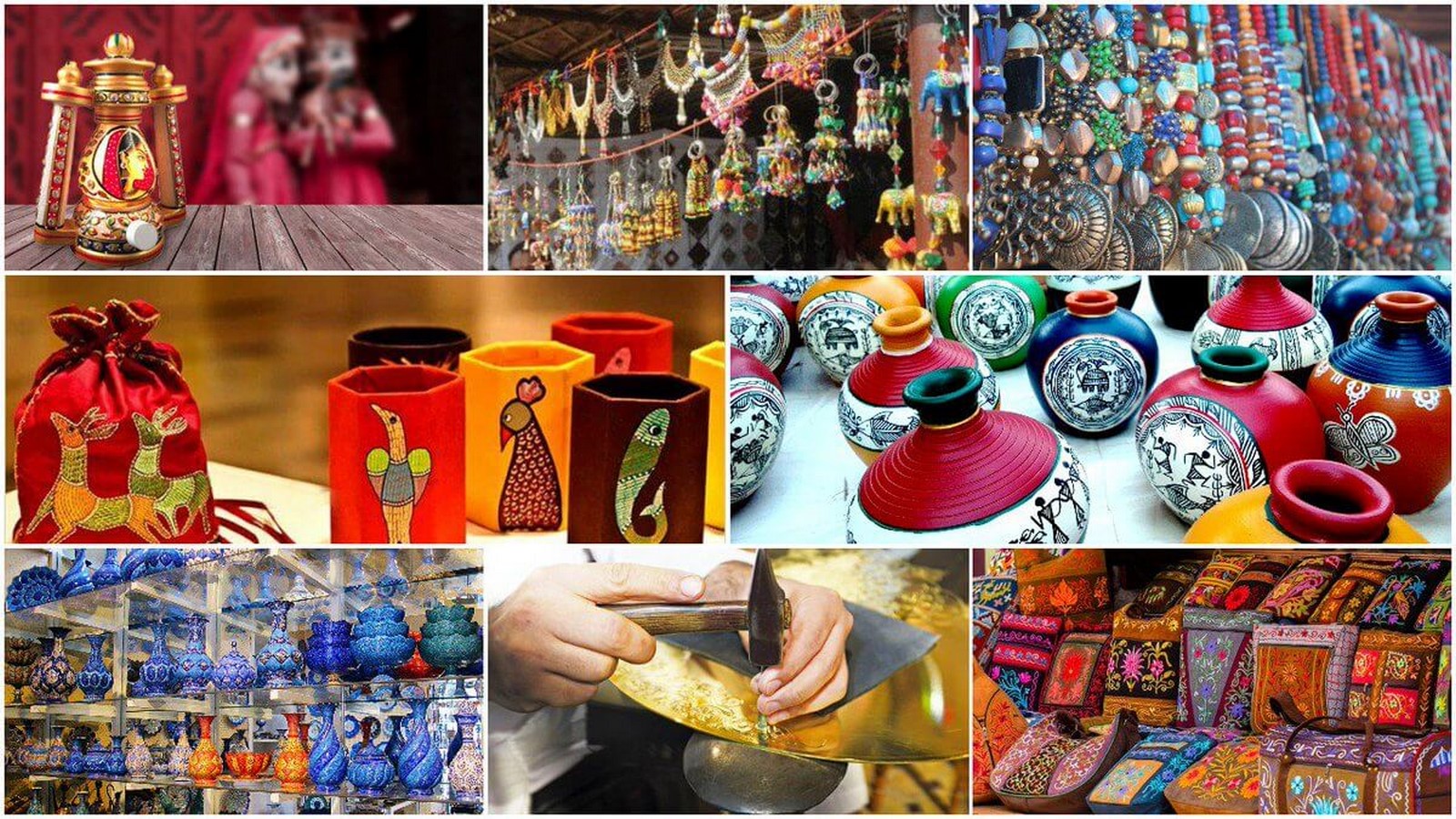
Artisanal small-scale industries include occupations that involve art, handicrafts, or trade where an individual skill is utilised to create a product with a unique quality. The products are manufactured on a small scale using traditional methods and skilled craftsmanship. Such industries are often influenced by the culture and heritage of the region where they were founded and play a significant role in the economic growth of that region, especially in rural areas.
Unlike production-oriented industries, these small-scale industries focus on uniqueness and detail over mass production. The roots of artisanal small-scale industries can be found in the rural crafts of ancient civilizations. Many small-scale industries emerging from such artisanal practises involve the use of natural and ingenious materials for manufacturing. Some small-scale industries are also involved in upcycling industrial products and making partial use of modern technologies. Given below are the different focus areas in artisanal small-scale industries:
Handicrafts
Handicrafts involve the creation of handmade items like pottery, weaving, basketry, woodworking, and other decorative items. Clay is hand-molded and heated by artisans to create pottery containers, tiles, and decorative objects. Furniture, utensils, and decorative objects are made by woodworkers and carpenters. Functional and beautiful objects are made using traditional hand tools and woodworking processes. Using conventional paper-making techniques, handmade paper-based goods like stationery, cards, notebooks, and journals are created. Items produced with this method have a unique texture and appearance. All these items reflect cultural heritage and artistic expression and are often in high demand due to their aesthetic value.
Personal items
Artisans in small-scale industries are involved in the production of personal items like textiles, footwear, and leather goods. Textile small-scale industries are involved in the production of fabrics, clothing, and accessories. Using skills like weaving, knitting, stitching, and crocheting, artisans create distinctive, fine-quality clothing that highlights regional styles and customs. Traditional methods are used by artisanal shoemakers to make shoes and sandals. Shoes that are both comfortable and fashionable are made with hand stitching, leatherwork, and attention to detail. Leatherworkers produce a variety of goods, such as footwear, belts, wallets, and bags. Unique and long-lasting goods are produced by hand-tooling and hand-stitching designs.
Food and beverages
Traditional techniques and recipes are the main focus of artisanal food and beverage manufacturing. Making products like cheeses, cured meats, spices, condiments, and beverages that reflect local flavours falls under this category.
Metalwork
Metals like copper, brass, and silver are used by artisans to make elaborate ornaments, tools, and decorative items. Designs that are distinctive and detailed are produced by processes including casting, forging, and engraving.
Jewellery and cosmetics
These artisans work with a variety of materials, including metals, beads, and gemstones, to create jewellery and accessories. Their creations sometimes incorporate complex patterns with ethnic influences. Natural components like botanicals and essential oils are used by artisans to create organic skincare and cosmetics. These goods place a strong emphasis on skin-safe practises and sustainability.
Musical instruments
Artisanal small scale industries are actively involved in the manufacturing of musical instruments. They can be wind instruments, guitars, or other conventional musical instruments. These instruments are skillfully made to provide high-quality sound.
Toys and games
Handmade puzzles, games, and toys are constructed with sustainable materials and conventional techniques. These goods have a strong emphasis on skill development, creativity, and playfulness, all while utilising sustainable resource sourcing and management.
Glass products
Molten glass is formed and blown into objects, sculptures, and vessels by glass artisans. Unique and artistic objects, ranging from decorative items to practical glassware, are produced using glassblowing processes.
Importance of artisanal small-scale industries

A blend of creativity, tradition, and sustainability arises within the domain of small-scale, artisanal enterprises, providing a variety of exceptional benefits. These sectors not only provide beautiful handmade products but also support local economies, enable craftspeople, and safeguard global cultural heritage. Given below are the benefits of such artisanal small-scale industries:
Preservation of traditional culture and knowledge
The craftsmen involved in these small-scale industries use traditional methods and knowledge to maintain their businesses. This helps in the preservation of valuable knowledge and techniques that have been passed down for generations, often from their families and communities. Such practical knowledge is not often reported or documented in any way and is at risk of extinction. Therefore, the development of this industry is vital to preserving the cultural heritage and maintaining a local connection to the local traditions of a community.
Employment opportunities
Many artisans make a living out of their small businesses. Skilled artists and craftspeople support local economies by creating jobs and a means of livelihood. Since they involve little machinery and locally sourced materials, these businesses create employment prospects, particularly in rural and marginalised populations. Additionally, the people involved in such practises often exhibit good organisational skills, which can be utilised to create useful institutions in the future. On numerous occasions, craftsmen work on their artistic abilities in addition to other sources of income. Financial stability may improve as a result of this revenue diversification.
Rural development
By generating value for local communities, artisanal production helps local economies. Handmade product sales increase economic activity by bringing in revenue for manufacturers, suppliers, and nearby companies. This leads to better rural development for such communities as their product value increases in the market. It increases job security for the people involved in this sector and their access to basic services and better infrastructure. This also helps refugees in such regions be integrated into the community for a better quality of life and reduces rural to urban migration as well. Additionally, travellers looking for distinctive gifts and experiences are drawn to artisanal goods. Markets and artisanal crafts can develop into popular cultural destinations that draw tourists to nearby areas. The promotion of creativity and innovation in this manner increases community engagement and creates an empowered community that offers skill development, training, and the transfer of valuable knowledge to future generations.
Sustainable and eco-friendly products
Environmental awareness and sustainability are prioritised in many craft practises. These sectors frequently use resources obtained locally, eliminate waste through meticulous craftsmanship, and prioritise ethical production techniques. They use traditional methods that have low impact and reduced carbon footprints compared to mass industrial production. It promotes lower energy consumption and reduced usage of synthetic materials and non-renewable resources. There is a growing market for sustainable and ethically manufactured goods. These principles are shared by artisanal industries, which draw customers looking for goods that support their moral convictions.
Fair trade practises
Artisanal industries promote fair trade among their communities. Fair trade is essential for the growth of small-scale industries because it supports artisans and craftsmen and ensures that the products are of high quality. Many artisanal businesses adhere to fair trade ideals, ensuring that workers are paid fairly and have a secure workplace. This supports the empowerment of marginalised populations and fights against unfair labour practises. It ensures that workers are protected from market pressures, helps them form sustainable trade relationships, and improves their social and environmental standards.
Need for Circularity in artisanal small-scale industries

In the global community of artisanal small-scale enterprises, the idea of circularity is gaining momentum, bringing with it a paradigm shift in how these industries function and contribute to a sustainable future. Artisanal industries may not produce waste on the same scale as their larger competitors, but there are still strong arguments in favour of them embracing circular practises entirely. Despite being smaller, these companies are crucial to advancing sustainability and fostering a circular economy. Embracing circularity has advantages beyond reducing waste. It stimulates innovation and distinction, demonstrates sustainability leadership, increases resource efficiency, demonstrates environmental responsibility, lowers costs, assures long-term viability, benefits local communities, and advances global sustainability goals. Prioritising circular practises helps artisanal businesses show their dedication to ethical production, stand out in the marketplace, and make a significant contribution to a greener future.
Small-scale, artisanal businesses are increasingly actively looking for ways to incorporate circular ideas into their business practises. This entails redesigning not only the production processes but also the procurement of materials, product development, and post-consumer involvement. By adopting circularity, these industries not only benefit the environment but also revitalise their economic and social environments and help build a more resilient and sustainable future. Below are a few strategies that contribute to the circular nature of artisanal small-scale industries.
Strategies for circularity
Sustainable materials
The circularity of artisanal small-scale industries is greatly influenced by material selection. Choose sustainable materials like organic textiles, certified timber, or repurposed metals. Locally sourced resources help local economies and cut down on transportation emissions, which helps promote a more circular approach.
Waste management
It is important to implement a thorough waste management plan. Reduce waste output by adopting effective production methods and recycling leftover or unused materials. Recycle materials that can be used again to create a cyclical flow of materials.
Durability
Design products to be long-lasting. Create products that survive wear and tear over time by emphasising great craftsmanship and robust construction. Products with a long lifespan require fewer replacements and last longer overall.
Repair and restore
Encourage product maintenance and restoration. Provide guidelines or repair services that encourage customers to repair objects rather than throw them away. By minimising waste and resource consumption, keeping things in use promotes circularity.
Collaboration
Create networks of cooperation within the artisanal sector. To share resources, information, and best practises, collaborate with nearby vendors and other craftspeople. Collaborations can improve productivity, cut down on waste, and promote a sense of belonging.
Circular business models
Adopt circular business strategies that are compatible with craft sectors. Offer clients the option to rent things, allowing them to use them for a predetermined amount of time before returning them to be used by others. Take-back initiatives can make it easier to recycle or refurbish products, resulting in a closed loop within the company.
Adopting these tactics improves the circularity of small-scale, artisanal enterprises and promotes sustainable business practises that appeal to environmentally conscientious consumers.
Conclusion
A viable route to a more sustainable and culturally diverse future can be achieved by exploring the potential for artisanal small-scale companies to embrace circularity. These fields, which are immersed in skill and tradition, have the innate ability to adhere to circular thinking. These sectors can make a big impact on the circular economy by adopting resource-efficient practises, promoting responsible consumption, and valuing local knowledge. A harmonic balance between creativity, sustainability, and community well-being will be achieved by artisanal small-scale industries as buyers grow more conscious of what they buy and look for meaningful connections with products.
 Planet Rescue 101
One thought on “Can artisanal small-scale industries embrace circularity?”