
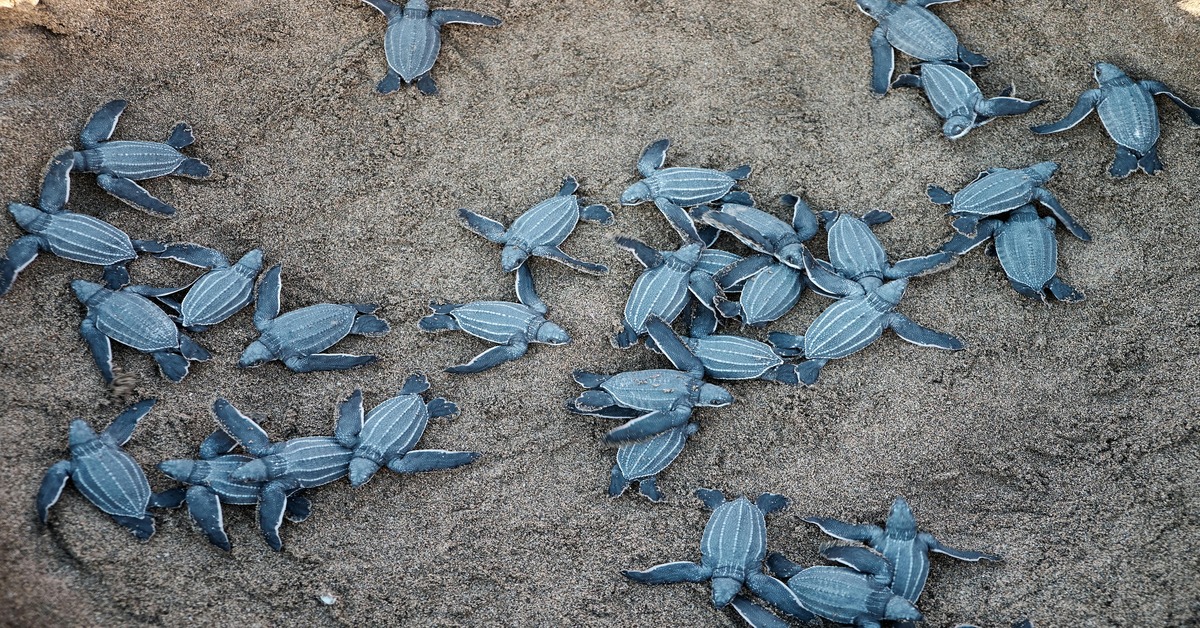
Turtle rehabilitation may seem like a purely conservation strategy, but it is actually a great example of how a circular system operates. Rehabilitation centres rely on water reuse, repair and repurposing of equipment, waste minimisation, and biological cycling—principles that mirror the circular habits people can adopt in daily life. Yet the impact doesn’t end at the facility. Healthier turtle populations play a crucial role in stabilising seagrass beds, supporting coastal fisheries, and strengthening natural shoreline protection. These ecological functions directly benefit nearby human communities, showing that circular practices in wildlife rehabilitation contribute to human wellbeing through a regenerative, ecosystem‑based pathway.
Why is turtle rehabilitation needed

Turtle rehabilitation is needed because injured, sick, and stranded turtles play a crucial role in marine ecosystems, yet they face rising threats from boat strikes, fishing gear, plastic pollution, habitat loss, and climate‑driven changes. When turtles are rescued and treated, it not only saves individual animals but also helps protect long‑lived species that take decades to mature and are essential for maintaining healthy seagrass beds, coral reefs, and nutrient cycles. Rehabilitation centres also collect medical and ecological data that help scientists understand emerging diseases, pollution impacts, and shifting ocean conditions. By returning recovered turtles to the wild, these programs support population stability, strengthen ecosystem resilience, and contribute to broader conservation efforts that benefit both marine life and coastal communities.
Circular methods used by turtle rehabilitation
Catch, treat, and release
Sea turtle rehabilitation around the world follows a simple but powerful cycle: rescue, treat, and release. Injured turtles—whether entangled in ghost nets in Papua New Guinea, struck by boats in Mexico, weakened by pollution in Indonesia, or stranded by storms in the Caribbean—are brought into care by local communities, Indigenous groups, conservation NGOs, and marine authorities. Rehabilitation centres stabilise them, treat wounds, repair buoyancy issues, remove fishing gear, and support recovery through clean water systems, enriched environments, and specialised veterinary care. This process doesn’t just save individual animals; it restores turtles that play essential ecological roles in seagrass meadows, coral reefs, and coastal food webs, which in turn support fisheries, tourism, and community livelihoods.

When these turtles are released back into the ocean, the benefits ripple outward in a circular way. Healthy turtles return to feeding grounds, nesting beaches, and migration routes that are culturally and economically important to communities from the Torres Strait to Oaxaca, from Manus Island to Costa Rica. Their recovery supports sustainable cultural practices—such as regulated egg collection, ceremonial use, and community‑managed nesting beaches—that have existed for generations. Rehabilitation doesn’t only happen in clinical facilities; it also happens in the country and in community spaces, where local rangers, fishers, and families protect nests, relocate eggs, rescue stranded turtles, and maintain the ecological balance that turtles depend on. Together, these efforts create a global circular system where people help turtles survive, and turtles continue to sustain ecosystems, culture, food security, and future generations.
Water reuse systems
Turtle rehabilitation centers are usually efficient in how they use water, as turtles often require constant hydration for their well-being. Turtle rehabilitation centres use water‑reuse tank systems to keep turtles in clean, stable seawater while dramatically reducing the amount of new water they need to pump from the ocean. These systems typically rely on mechanical filtration (to remove sand, food and debris), biological filtration (beneficial bacteria that break down ammonia and waste), and UV sterilisation (to kill harmful pathogens). The water is continuously recirculated through these filters and returned to the tanks, meaning only a small percentage needs to be replaced each day. This approach keeps water quality high for sick or injured turtles—especially those recovering from infections, buoyancy issues, or shell damage—while lowering energy use, reducing environmental impact, and allowing centres to operate more sustainably.
In Australia, facilities such as the Cairns Turtle Rehabilitation Centre use dedicated rehabilitation tanks supported by filtration and recirculation systems to maintain healthy water conditions for long‑term turtle care. James Cook University’s turtle health research programs also highlight the importance of controlled tank environments and water‑quality management in successful rehabilitation outcomes.
Waste minimisation
Turtle rehabilitation centers try to reduce waste at every stage of turtle care, reusing equipment, and composting organic material. Sea turtle rehabilitation centres naturally operate in a way that aligns with circular‑economy principles, even though they are not part of aquaculture or fisheries. The 2025 review paper “The Circular Economy in Aquaculture and Fisheries: Enhancing Sustainability and Food Security” highlights strategies such as water recirculation, material reuse, repair‑over‑replacement, and reducing single‑use waste. These same principles are increasingly applied in turtle rehab facilities to minimise environmental impact and keep resources in use for longer.
In actuality, this means that rather than replacing tanks, pumps, pipes, and filtration systems, turtle hospitals concentrate on reusing and fixing them. By selecting reusable medical trays, sturdy transport crates, and washable feeding equipment, many facilities also cut down on single-use plastics. Similar to nutrient-cycling techniques used in aquaculture, organic waste, such as excess seagrass or fish scraps, can be composted or recycled. Circular logic even applies to water management: centers can effectively reuse saltwater through filtering and recirculation systems, which lowers extraction and operating expenses.
By adopting these circular strategies, sea turtle rehabilitation centres not only improve the quality of care for turtles but also strengthen the long‑term sustainability of their operations by reducing resource use and preventing rapid depletion.
How communities are benefited
Supporting fisheries

Healthy sea turtles are essential for both seagrass meadows and coral reef systems, and rehabilitation helps restore these roles. When rescued turtles are treated and released, green turtles return to grazing seagrass, keeping the blades short and healthy. This prevents overgrowth, increases light penetration, and creates productive nursery grounds for fish, prawns, and other species that coastal communities rely on. At the same time, hawksbill turtles return to coral reefs, where they control fast‑growing sponges that would otherwise smother corals. By keeping sponge populations in check, hawksbills help corals maintain space, structure, and biodiversity — all of which support reef‑based fisheries.
Together, these processes create a circular system:
- Rehabilitated turtles restore seagrass and coral habitats
- These habitats support more fish
- Stronger fisheries support communities
- Communities continue protecting turtles.
This loop operates in many regions — from Australia to Mexico, Papua New Guinea, Indonesia, and the Caribbean — showing how turtle rehabilitation strengthens both ecosystems and the people who depend on them.
Enhancing local communities
Today, this cultural circularity is strengthened by turtle rehabilitation and community‑led conservation across northern Australia. Indigenous ranger groups rescue stranded turtles, safeguard nests, relocate vulnerable eggs, and remove ghost nets, while rehabilitation centres treat injured animals and return them to the sea. These efforts keep turtle populations healthy, ensuring that cultural practices, sustainable harvesting, and ecological balance can continue without depleting resources. Rehabilitation is not confined to laboratories — it happens on Country, through Indigenous knowledge, stewardship, and sustainable management. Together, these practices maintain a living circular economy where healthy turtles support healthy communities, and healthy communities ensure the survival of turtles.
Australia – Torres Strait Islander Communities
Across the Torres Strait, turtles and their eggs have long sustained Islander communities both nutritionally and culturally. Guided by Ailan Kastom, harvesting is done with deep respect: only certain seasons are used, only specific animals or early‑stage eggs are taken, and rituals ensure balance between people and sea Country. This creates a circular relationship where turtles nourish communities, and communities protect the ecosystems turtles depend on — from seagrass meadows to nesting beaches. Turtles are not just food; they are ancestors, teachers, and symbols woven into stories, art, and identity.

Costa Rica – Ostional Community Egg Harvest Program
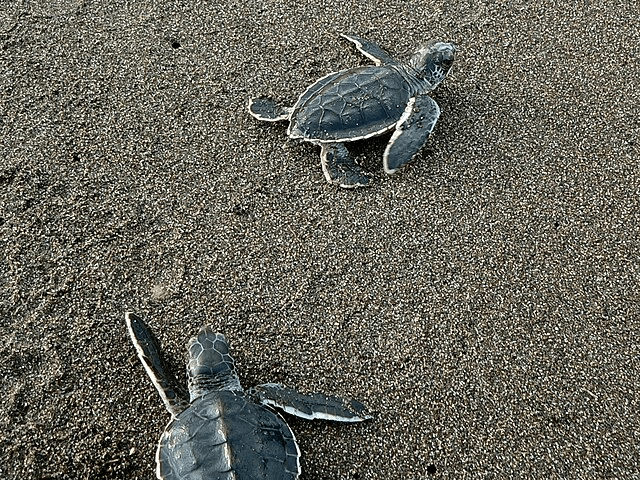
One of the most well-known instances in the world of how locals and sea turtles may coexist in a sustainable, cyclical system is Costa Rica. The community is legally permitted to gather some of the early eggs during the first arribada, a large nesting occasion when thousands of olive ridley turtles come ashore. Harvesting these early clutches does not negatively impact the population since later-nesting turtles dig them up, resulting in a naturally low survival rate. In exchange, the community maintains hatcheries, keeps an eye on turtle populations, secures nests from poachers, and maintains the beach year-round. The turtles benefit from long-term protection, increased hatchling survival, and less poaching pressure, while the community receives income and food security as a result of this mutually reinforcing loop. The initiative is frequently regarded as an effective example of sustainable use and community-based conservation.
Research opportunities
When these turtles are released, researchers track their movements and survival, generating insights that improve conservation strategies worldwide.
This creates a circular system:
- Rehab provides research subjects
- Research improves treatment and conservation
- Healthier turtles return to ecosystems
- Stronger ecosystems support more turtles
- More turtles generate more research data
United States of America – Archie Carr Center for Sea Turtle Research
A famous example is the Archie Carr Center for Sea Turtle Research working with Sea Turtle Hospital at the University of Florida, which became internationally recognised because rehabilitation directly led to major scientific breakthroughs. By treating hundreds of sick and injured turtles, researchers were able to identify the causes of fibropapillomatosis (a widespread turtle disease), track how microplastics move through marine food webs, and map long‑distance turtle migrations using satellite tags. These discoveries improved treatment methods, informed global conservation policies, and helped protect turtle habitats across the Caribbean and Atlantic. The reason this example stands out is that rehab didn’t just save turtles — it generated new knowledge that changed how scientists understand turtle health and ocean ecosystems, creating a circular loop where rescue work fuels research, and research improves future rescue efforts.

Ways to contribute to turtle rehabilitation
Volunteer your time at local rehab centres
This kind of work is open to people of all ages, especially school students and university volunteers who want real, hands‑on experience with emergency wildlife care. For many young people, helping a sick or injured turtle is the first time they feel the weight of responsibility for another living being — and it stays with them. Small NGOs deeply value this support, because most operate on tight budgets and simply don’t have the funds to hire a full workforce. When volunteers step in during their free time, they’re not just helping turtles recover; they’re helping keep entire community‑run conservation programs alive.
Join beach patrols and nest protection teams
Walking the beach at dawn to check nests or guide hatchlings feels small, but it directly saves lives. These patrols protect eggs from predators, poachers, and erosion, giving more hatchlings a chance to reach the sea. Every nest protected means fewer turtles needing rescue later. It’s one of the most hands‑on ways to feel connected to the cycle of life on the coast.
Support indigenous and community ranger programs
Indigenous ranger groups carry generations of lived knowledge about turtle behaviour, seasons, and the respectful ways of harvesting and caring for sea Country. When you support their work — whether through donations, partnerships, or volunteering — you’re strengthening both cultural practice and conservation at the same time. These rangers rescue stranded turtles, pull ghost nets from the water, and watch over nesting beaches with a level of care that comes from deep connection, not just duty. When their communities are supported and thriving, the turtles they protect thrive alongside them, creating a relationship built on respect, reciprocity, and shared survival.
Reduce marine debris and choose turtle‑friendly habits
Most turtles in rehab arrive because of fishing gear, plastics, or pollution — injuries caused by everyday human habits. When someone joins a beach clean‑up or chooses to skip a single‑use plastic item, it might feel tiny, almost invisible. But those small choices add up, and they quietly remove the dangers that would otherwise send another turtle into a hospital tank. It’s the kind of care no one applauds, yet it protects turtles long before they’re hurt — a gentle, everyday act of looking after a world we share.
Conclusion
Turtle rehabilitation is more than medical care — it is a living circular system where people, culture, and ecosystems sustain one another. When communities rescue turtles, they restore the very species that keep seagrass meadows, coral reefs, and coastal fisheries healthy. In return, these thriving ecosystems support the livelihoods, traditions, and wellbeing of the people who protect them. Every action, from scientific research to a single volunteer on the beach, feeds back into this regenerative loop, showing how one person’s care can strengthen an entire community‑driven cycle of conservation.
 Planet Rescue 101
.jpg)

_(7087268043).jpg)
