

The jugaad method stands out as a representation of resourcefulness, originality, and adaptation in the colorful tapestry of India’s creative landscape. Jugaad epitomizes the spirit of conservatism and inventiveness since it is based on the capacity to find unusual and frequently improvised solutions to common issues. The jugaad system has, however, expanded beyond its humble beginnings into a number of fields, including transportation. About 64% of the world’s oil consumption, 27% of all energy use, and 23% of the carbon dioxide emissions related to energy are accounted for by the transportation sector. Urban passenger and freight transit use 5% of the global energy supply in areas with dense urban populations. Given that it is predicted that by 2050, 68% of people in the world would live in urban areas, this situation could get even worse.
This article examines the relationship between the jugaad ethos and the urgent need for circular practices in transit and how they can be effectively combined to attain circularity in the industry. The article also explores how jugaad-inspired inventions could promote circular transportation solutions that are resource-efficient, long-lasting, and revolutionary for the future of mobility.
Circular transportation

Circular transportation represents a paradigm shift in the way transportation systems are conceived, designed, and utilized. Its primary goals are to minimise waste, cut down on resource consumption, and extend the lifespan of transportation assets, which are in line with the fundamentals of a circular economy. This method is in stark contrast to the linear model, which is common in many civilizations and involves the production, usage, and discard of vehicles without much thought for long-term sustainability. Every stage of a vehicle’s lifecycle, from design and manufacturing to operation, maintenance, and end-of-life management, is carefully taken into account in a circular transportation system. Creating a closed-loop system where materials are recycled, remanufactured, or utilised again can lessen the demand for virgin resources and help the environment. Circular transport aims to create a more sustainable, effective, and equitable mobility environment by addressing not only the ecological component but also the economic and social facets.
One must break down circular transportation’s essential elements in order to fully understand its significance. Understanding how vehicle design affects its ability to be recycled, the contribution that maintenance and repair make to prolonging the lifespan of a vehicle, and the significance of circular business models in transforming the automotive industry are all part of this. Additionally, circular transportation promotes innovation and cooperation among stakeholders, from consumers and grassroots innovators to automakers and governments. One can understand the revolutionary potential of circular transportation in lowering waste, saving resources, and establishing a more sustainable future for mobility by investigating these aspects.
Challenges of adopting circular transportation
Although the idea of circular transportation holds out great potential, it is not without its share of challenges and obstacles in the context of current transportation networks. Recognising the complexity of moving from linear to circular models in a field that has been firmly rooted in conventional practises for decades is necessary to comprehend these difficulties. Given below are the challenges of moving towards circular transportation models form the conventional linear system.
Infrastructure and Technology Compatibility
Circular transportation’s compatibility with current infrastructure and technology is one of the main issues. Modern transportation infrastructure, including roads and mass transit, is primarily built for linear consumption. It frequently calls for large financial outlays and technological breakthroughs to adapt them to circular principles. It can be expensive and time-consuming to upgrade or modify infrastructure to handle electric or circular-ready vehicles, for example.
Consumer behavior and Mindset
The success of circular transportation depends on how open customers are embracing new modes of transportation. It can be difficult to alter consumer attitudes and behavior since customers frequently find it difficult to switch from traditional car ownership to shared mobility or circular rental models. Circular transport also requires a cultural change towards prioritizing access over ownership, which may be in conflict with engrained community values.
Regulatory and Policy Hurdles
Transportation regulations and policies are frequently built around linear consumption models. Legislative modifications, incentives, and supportive policies may be necessary to implement circular transportation efforts in order to promote circular behavior and deter wasteful behavior. Moving circular transport forward may be significantly hampered by navigating the intricate web of rules.
Resource Availability and Recycling
To reduce resource consumption, circular transportation largely relies on effective recycling and remanufacturing techniques. It might be logistically difficult to guarantee a consistent supply of recovered materials and build a strong recycling infrastructure. Furthermore, in areas where such practices are still in their infancy, locating recycled materials and guaranteeing their quality for car production might be challenging.
Business Models and Economic Viability
Changing to circular transportation may necessitate a significant change in corporate strategies. Profit models that emphasize short-term service and sustainability should be prioritized by businesses instead of those that focus on sales and planned obsolescence. Established industries may be disrupted by this transformation, which could also present short-term economic difficulties.
Equity and Accessibility
To ensure that benefits are distributed equally among all societal segments, equity and accessibility must be given top priority in circular transportation programs. To do this, it is necessary to address concerns with accessibility, inclusion, and affordability, especially in underserved or marginalized groups.
Jugaad Innovations and circularity

India’s jugaad system is based on a philosophy that values conservatism, resourcefulness, and sustainability. Jugaad, which traditionally refers to making do with limited resources, has the potential to greatly advance circularity, particularly in creativity and problem-solving. Resource maximisation, a key principle of circularity, as demonstrated via jugaad. Jugaad innovations minimise waste and decrease the demand for virgin materials by recycling, repurposing, and imaginatively rethinking the resources already at hand. Jugaad emphasises the usefulness of existing resources by reusing leftover parts for auto repairs or creating improvised equipment for agricultural requirements. Circular systems often emphasize localized and decentralized solutions to reduce transportation-related emissions and resource consumption. Jugaad innovations inherently follow this principle, as they are often devised and implemented at the local level to address specific community needs.
Repairing and reusing products are central to the circular economy. Jugaad thrives on repairing and repurposing items that might otherwise be discarded. From fixing household appliances to extending the lifespan of vehicles through inventive repairs, jugaad promotes a culture of repair and reuse.
Jugaad innovations tend to occur in environments of constraint, where people or groups must deal with scarce resources or difficult conditions. In these circumstances, necessity acts as the originator of innovation and inspires original problem-solving. To get over limitations imposed by scarce resources or antiquated processes, circular efforts frequently demand imaginative thinking. Circular systems can adjust to shifting demands and conditions thanks to their adaptability and flexibility. By adjusting to various surroundings and changing difficulties, jugaad innovations exemplify this adaptability. Jugaad demonstrates the strength of flexibility by reusing outdated resources into brand-new uses or creating creative solutions to deal with pressing problems.
Jugaad solutions can be incorporated into circularity efforts to provide useful solutions and insights for dealing with resource limitations, advancing sustainability, and encouraging community-driven innovation. We may tap into the creative energy of jugaad to discover long-lasting answers to urgent global crises by understanding its potential in the context of circularity.
Benefits of Jugaad-Driven Circular Transportation
Jugaad-driven circular transportation offers advantages beyond simple mobility. They include benefits for the economy, the environment, society, and the local community, making it a potential strategy for tackling transportation issues while fostering sustainability and circularity. Given below are the benefits of jugaad driven circular transportation:
- Resource Efficiency: Jugaad-based circular transportation systems put resource efficiency first. These technologies reduce resource waste by creatively modifying existing transport modes, retrofitting outdated vehicles, or reusing spare parts. Jugaad-driven circular transportation lowers the need for new materials, which is a key tenant of the circular economy, by prolonging the lifespan of vehicles and component parts.
- Cost-Effective Mobility: Jugaad-inspired circular transport efforts frequently produce affordable mobility solutions. These innovations provide communities with maybe restricted financial resources with affordable transportation options by utilising locally accessible materials and inexpensive improvements. Mobility is made more accessible thanks to this cost, especially in underprivileged or remote places.
- Waste Reduction: Jugaad-driven transportation incorporates circularity, which results in a large decrease in waste. When vehicles and parts are no longer deemed to be useful, traditional forms of transportation frequently result in their disposal. On the other side, jugaad-based practises place an emphasis on repair, reusing, and recycling, which reduces waste output and landfill use.
- Community Involvement: Circular transit projects frequently engage local communities. Local mechanics and innovators are essential to putting jugaad solutions into practice since they promote empowerment and self-reliance. The circular economy places a strong emphasis on community involvement and participatory solutions, which is consistent with this bottom-up strategy.
- Reduction of emissions: Using circular transportation methods can help cut carbon emissions. Jugaad-driven circular transportation lessens the environmental impact caused by conventional transportation systems by prolonging the lifespan of vehicles, increasing fuel economy, and promoting sustainable transportation modes. This supports international initiatives to mitigate climate change.
- Innovation and Adaptability: Circular mobility powered by Jugaad fosters an innovative and adaptable culture. Communities that rely on jugaad are frequently more willing to try out novel approaches and adjust to changing conditions. In response to changing needs, this dynamic strategy may hasten the development of sustainable transportation options.
- Scalability and Replicability: Many circular transit systems driven by jugaad are scalable and repeatable. Successful ideas can act as role models for communities with comparable transportation issues. This scalability increases the likelihood that circular transportation practices will be widely used, making them more approachable and significant.
- Community Building: Jugaad-based circular transit schemes frequently deepen ties within communities. Implementing and maintaining mobility solutions cooperatively fosters a sense of community and shared accountability. This community development is consistent with the circular economy’s focus on developing interconnected, sustainable systems.
- Resilience in the Face of Resource Scarcity: Jugaad-inspired circular transportation practices give communities the ability to be resilient in the face of resource scarcity. These efforts equip communities with the skills necessary to make the most of the resources they have by educating them on how to do so, which can be especially helpful in areas with limited access to resources.
- Promotion of Local Economies: Jugaad-inspired circular transport projects frequently help local economies. By providing repair and modification services, they foster opportunities for local mechanics, artists, and companies to flourish. The localization of economic activities increases economic sustainability and resilience.
Current Jugaad innovations in transportation
In order to better understand how the Jugaad system can increase the circularity of the transportation sector, it is important to examine the current innovations in this industry. Given below are real-life examples of such innovations:
Modified Rickshaws and E-Rickshaws
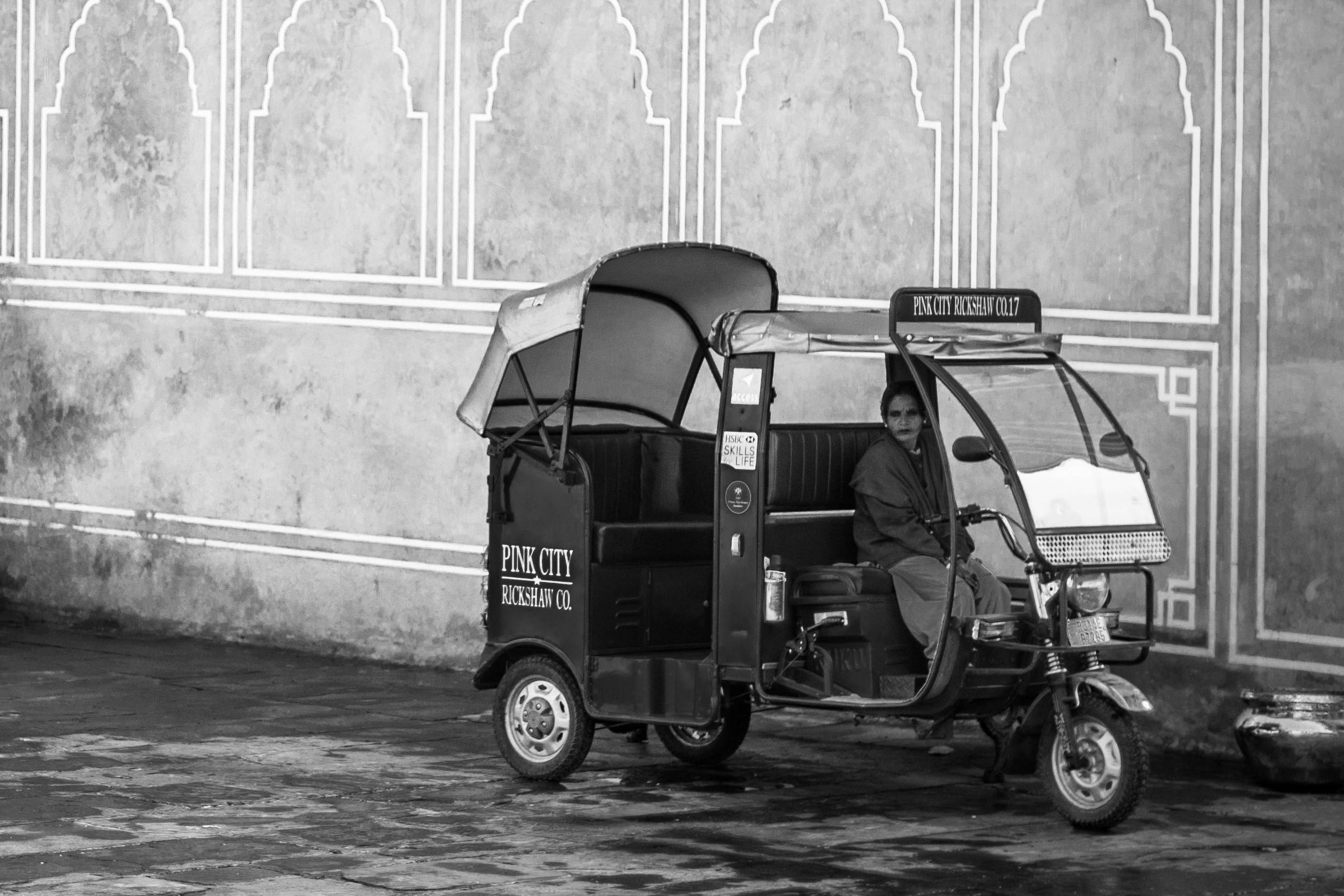
Cycle rickshaws and electric rickshaws (e-rickshaws) that have been cleverly changed and adapted for various uses can be found throughout India, notably in places like Delhi. Some e-rickshaws have been converted into mobile charging stations, providing urban commuters with a special service.
Chhakda and Chakris

In India’s rural areas, they are the small, three-wheeled vehicles that are used to transport both people and goods. They are frequently inventively adapted and repurposed for different transit requirements in neighbourhood communities.
Modified Auto Rickshaws
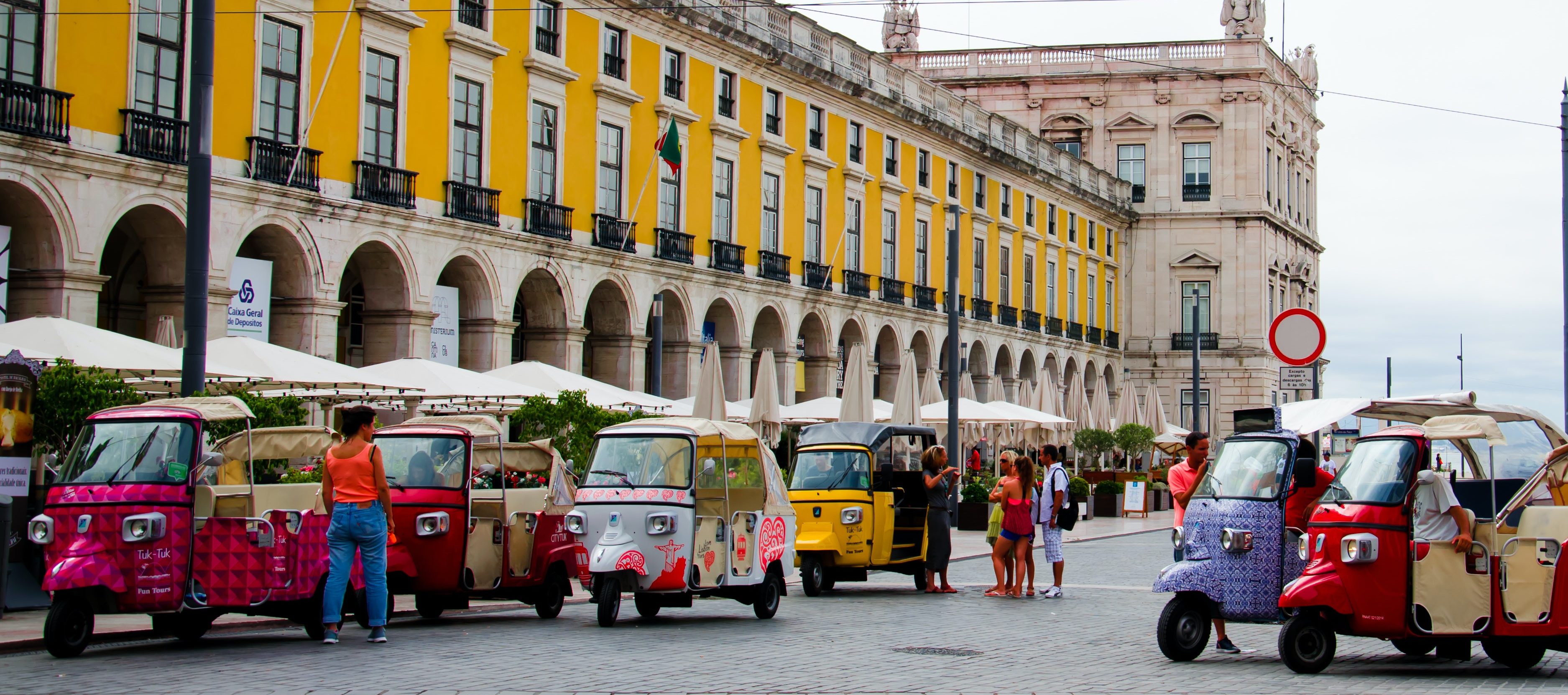
Auto rickshaws have been converted in a number of nations to serve a variety of functions, including as mobile shops, ambulances, and libraries. These modifications show how adaptable jugaad is in the field of transportation.
Adaptive Cargo Bicycles
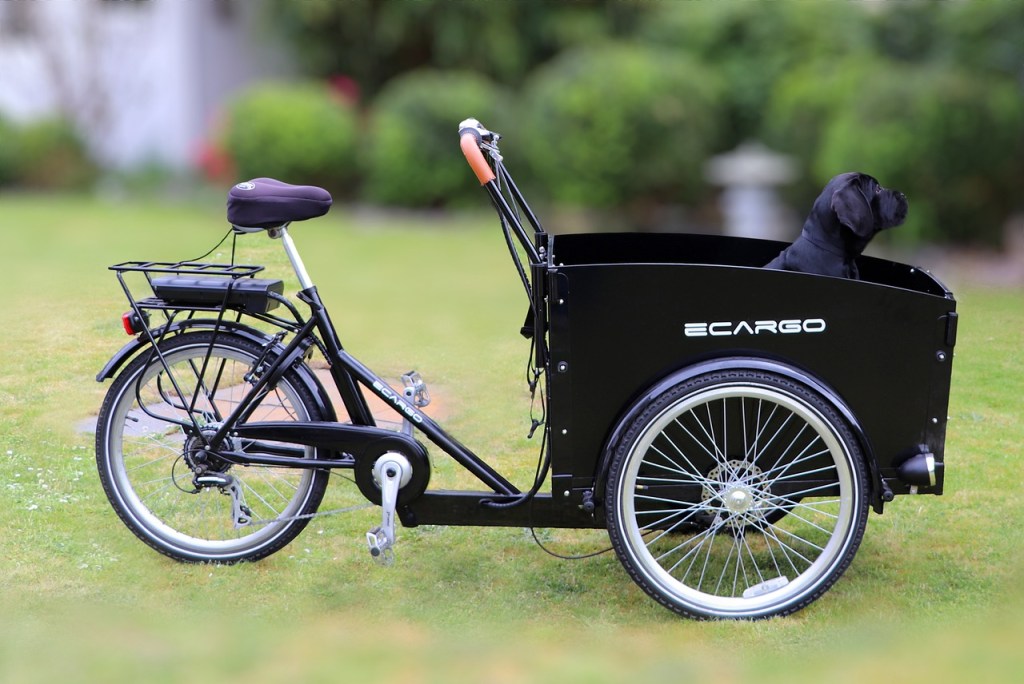
Cargo bicycles have been ingeniously modified to move items effectively in congested metropolitan environments. These are frequently utilised for final delivery miles, lessening the environmental impact of conventional delivery trucks.
Converted Utility Vehicles
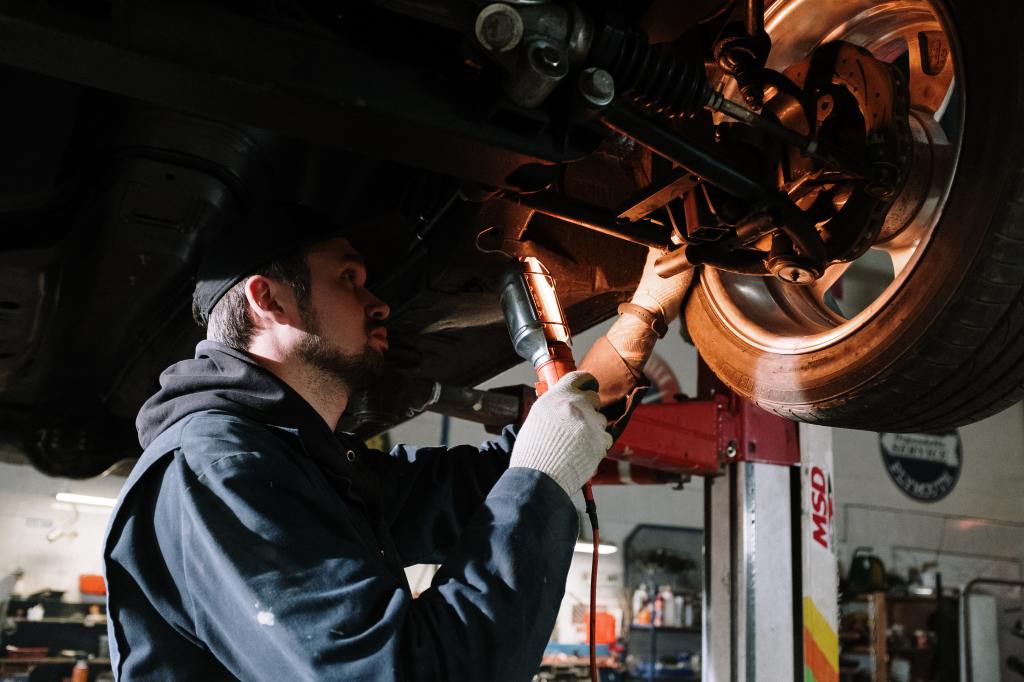
Older vehicles like buses and trucks are frequently converted for new use in various regions of the world, including Southeast Asia and Africa. The versatility of jugaad in transportation is demonstrated by the possibility of converting them into mobile markets, schools, healthcare facilities, or even houses on wheels.
Recycled Material Bicycles
Some communities have created bicycles from bamboo and abandoned bicycle parts, as well as other repurposed materials. These eco-friendly and cutting-edge bicycle models are accessible and affordable.
Community-Driven Transportation Solutions
Communities have joined together to develop their own transportation options in remote locations with little access to organized transit. These sometimes entail customized cars or locally produced transportation solutions made to meet their own requirements.
DIY Electric Vehicles
DIY enthusiasts and tinkerers have developed their own electric cars by turning current bicycles or scooters into electric ones, exhibiting a grassroots approach to sustainable transportation in response to the growing interest in electric mobility.
Conclusion
Jugaad-driven transport solutions have tackled the difficulties of contemporary mobility while embracing sustainability and circularity. These developments demonstrate the international applicability of jugaad-inspired methods and go beyond India. The jugaad method offers vital lessons in maximising the use of resources as the world struggles to find more environmentally friendly transportation solutions. Communities and inventors may continue to create circular transportation solutions that are affordable, eco-friendly, and catered to local requirements by embracing the spirit of jugaad. Jugaad-driven circular transportation is a tribute to the ability of ingenuity and innovation to solve transportation problems while preserving our planet’s resources in a time of rising environmental consciousness.
 Planet Rescue 101