
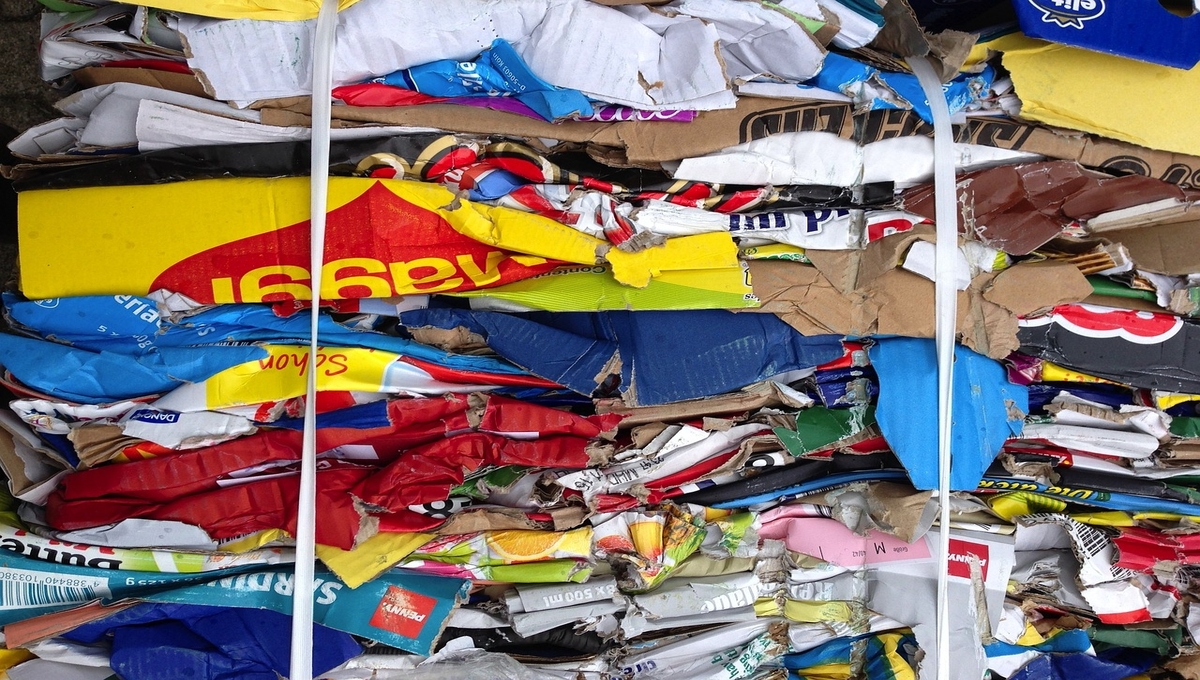
The problem of packaging waste has taken on crucial relevance in a world characterised by quick use and disposal. The landfills are filled with mountains of discarded packaging materials, including cardboard and plastic, endangering the sustainability of the world. On a global scale, approximately 17% of the total packaging waste generated is composed of paper and cardboard. Plastic waste, which is a significant component of packaging waste, has increased to 400 million metric tonnes as of 2021. The average lifespan of plastic products falls at 10 years, but it can take upto 500 years to decompose depending on its composition and disposal. Furthermore, over 12 billion metric tonnes of plastic waste is projected to end up in landfills by 2050.
Under such staggering statistics, consumers have begun to analyze and reshape their lifestyles and purchasing patterns. Consumers are trying to be more aware and responsible of the impact of their choices on the environment which prompts them to opt for more sustainable packaging options. The critical connection between consumer awareness and minimizing packaging waste is explored in this article. It looks at viable measures to promote awareness, the current situation of packaging waste, and the impact that informed consumer decisions can have. Let us examine how consumers can change how one thinks about packaging waste for a more sustainable future by increasing their knowledge.
The packaging problem
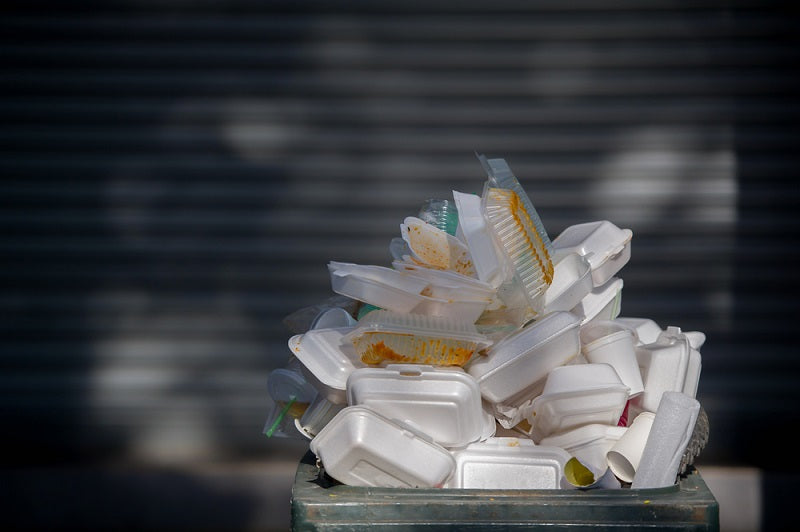
In today’s society, packaging is crucial. It protects goods, makes them portable, and gives essential information. However, the security and convenience it provides come at a cost—packaging waste. A massive packaging issue has emerged as a result of global consumption patterns. The shocking numbers and the negative effects of excessive packing on the environment are explored in this section, which goes deep into the core of the problem. It becomes obvious why customers should be informed of their options in this situation when the packing dilemma is explored.
Understanding packaging waste
In today’s society, packaging waste makes up a considerable part of the waste stream. It includes a range of substances intended to safeguard, contain, and advertise goods to consumers. Plastic, paper, cardboard, glass, metal, and composite materials are some of these materials. While packaging performs essential functions like protecting goods during transport and giving consumers information, it also has significant negative effects on the environment and the economy.
Environmental impact
Materials used in packaging are produced and disposed of in ways that deplete resources and increase pollution and greenhouse gas emissions. For instance, carbon emissions are produced during the energy- and fossil fuel-intensive processes required to manufacture plastic packaging. After being used, these compounds can linger in the environment for millennia, harming ecosystems and species. Additionally, habitat devastation and biodiversity loss may result from the extraction of raw materials for packaging, such as deforestation for paper or mining for metals.
Economic impact
Municipalities and corporations have financial difficulties when managing packaging waste. Significant infrastructure and resources are needed for packaging waste collection, transportation, and disposal. Municipalities frequently pay for managing packaging waste through recycling initiatives and waste collection services. Businesses must additionally pay for the creation of packaging, observing rules, and getting rid of packaging waste. Overpackaging, often known as excessive packing, can raise production and shipping costs while producing more trash.
In order to have a significant reduction in packaging waste it is important that effective measure are taken at the cosumer level itself. This is where consumer awareness comes into the picture. Consumers who are well-informed can make thoughtful decisions regarding the goods they buy by taking into account things like packing materials, recyclable options, and packaging’s effect on the environment. Consumers may help reduce packaging waste and influence industry changes towards more circular economic practises by learning about the life cycle of packaging materials and the negative effects of excessive packaging.
Consumer awareness and packaging waste

The critical issue of packaging waste needs to be addressed by raising consumer awareness. Consumers are better equipped to make decisions that support sustainable practises when they are aware about the negative effects of excessive packaging and single-use plastics on the environment. Raising this awareness relies heavily on educational programmes and informational distribution. Consumers who are aware of the significance of recycling symbols and labels are better equipped to choose products with minimum or eco-friendly packaging. In addition to reducing waste, this decrease in the demand for excessive packaging materials also reduces the need for production-related energy and natural resource depletion.
Informed customers also have a big impact on the market by changing their preferences to favour companies and goods with emphasis on sustainable packaging. Recognising this rising need for eco-friendly substitutes, manufacturers are more likely to use responsible packaging techniques. The coordinated actions of knowledgeable customers have an impact on the entire supply chain. It motivates businesses to innovate and provide environmentally friendly packaging solutions, make investments in recycling infrastructure, and eliminate pointless packaging. As a result, the overall environmental impact of consumer goods is reduced. Additionally, educated customers support legislative improvements in packaging regulations and sustainability standards while actively participating in recycling programmes to divert packaging waste from landfills and incineration.
Challenges in raising consumer awareness
Consumer awareness is crucial in accelerating the transition to sustainable packaging methods. This endeavour does not, however, come without difficulties. Raising consumer awareness of packaging waste reduction in a time of information overload, rising environmental awareness, and occasionally deceptive marketing claims is no easy undertaking. It is crucial to be aware of the different difficulties this endeavour faces, such as avoiding “greenwashing,” dealing with financial concerns, and having restricted access to environmentally favourable options. By being aware of these challenges, one can come up with plans for empowering consumers to act as change agents for a greener, more sustainable future. Given below are the challenges to raising consumer awareness regarding the reduction of packaging waste:
Information overload
Consumers are overloaded with information in the current digital era from a variety of sources, including social media, news sites, ads, and environmental efforts. People may experience “green fatigue,” where they get overloaded and desensitised to environmental issues, as a consequence of this constant flood of information. As a result, it becomes difficult to grab their attention and effectively communicate the significance of minimising packaging waste. To stand out from the crowd and captivate customers, communications must be precise, succinct, and captivating.
Lack of consumer engagement
Despite the fact that many customers voice concern about environmental issues, not all of these concerns result in significant action. Customers could feel helpless or unsure of what they can do to help reduce packaging waste. Education, empowerment, and incentive are all necessary to persuade individuals to alter their behaviour and embrace more environmentally friendly practises. Effective tactics include sharing helpful advice, highlighting triumphs, and fostering a sense of community around sustainable initiatives.
Greenwashing
When businesses make false or excessive claims about the environmental advantages of their goods or packaging, this is known as “greenwashing.” This may deceive customers into thinking they are choosing environmentally beneficial products when they are not. The predominance of “greenwashing” undermines consumer confidence and makes it difficult for people to recognise genuinely sustainable solutions. Informed consumer decision-making and regulatory monitoring are made possible by clear and visible eco-labelling, which also helps consumers hold businesses accountable for making fraudulent claims.
Cost considerations
Reduced packaging options or biodegradable materials might often be more expensive than traditional packaging solutions. When faced with financial constraints, consumers may be reluctant to pay a premium for goods that come in environmentally friendly packaging. Finding ways to lower the cost of sustainable options or encouraging companies to embrace eco-friendly practises without passing on the higher expenses to customers are two strategies to address this dilemma.
Limited alternatives
Customers may have restricted access to goods with minimum packaging or eco-friendly packaging substitutes in some areas. This restriction may result from elements like market accessibility, distribution channels, or insufficient recycling and waste management infrastructure. To meet this challenge, it is crucial to increase the selection of eco-friendly goods and packaging while also enhancing recycling and waste management systems.
Consumer awareness strategies
By being conscious of how their decisions affect packaging waste and taking steps to decrease it, consumers can play a critical role in finding solutions to the packaging problem. Investigating practical methods for raising consumer awareness and empowering people with the information they need to make wise decisions that reduce packaging waste is crucial. These tactics, which range from educational campaigns to environmentally friendly packaging choices, have the ability to encourage beneficial changes in consumption patterns and, as a result, reduce the environmental impact of packaging materials. Given below are a few strategies to raise consumer awareness and address this issue:
- Educational campaigns: Launch educational efforts directed at consumers through a variety of media outlets. These ads can enlighten people about the negative effects packaging waste has on the environment and offer advice on how to cut it back.
- Clear labelling: Encourage companies to give information on product packaging that is clear and simple to grasp. To enable consumers to make educated decisions, labels must to include information on recyclables, materials, and disposal guidelines.
- Sustainable Packaging: Highlight the advantages of eco-friendly options to encourage the use of sustainable packaging alternatives. Emphasise how these substitutes are reusable, recyclable, or biodegradable.
- Consumer advocacy groups: Support and work with consumer advocacy organisations that concentrate on environmental issues. These organisations can support policies that promote sustainable packaging and help spread the word.
- Retailer initiatives: Encourage merchants to lead the charge in cutting packaging waste through their initiatives. They can put in place programmes for in-store recycling, encourage bulk purchasing with reusable containers, and provide rewards for clients who bring their own reusable bags and containers.
- Online Resources: Establish websites, blogs, and social media channels that are specifically devoted to giving customers advice on decreasing packaging waste.
- School Programmes: To educate the younger generation, incorporate teachings on packaging waste reduction into school curricula. The effects on consumer behaviour could be long-lasting.
- Collaboration with Influencers: Work with environmental activists and social media influencers who have a large following and can spread the word about sustainable practises.
- Rewards: Establish incentive programmes that reward customers for making environmentally friendly decisions. Individuals may be encouraged to cut down on packaging waste by discounts, loyalty programmes, or other incentives.
- Policies: Encourage the use of sustainable packaging practises by businesses through supporting legislation and regulations. Government programmes can have a big impact on consumer preferences.
- Customer feedback: Encourage customers to let companies know about excessive or non-recyclable packaging. This may put pressure on businesses to adapt for the better.
- Community Engagement: Arrange community gatherings, workshops, and seminars to get people talking about sustainability and packaging waste reduction in person.
Conclusion
Consumer education is unquestionably essential for reducing packaging waste, but it presents many challenges. While consumers have a large amount of power to shape packaging choices through informed choices, they also face a number of obstacles, such as greenwashing, worries about pricing, a lack of readily available eco-friendly alternatives, and the need for more extensive systemic changes. All stakeholders—consumers, corporations, policymakers, and advocacy organizations—must work together to effectively address these issues. Transparent labelling, reasonably priced sustainable solutions, and encouraging legislation must go hand in hand with consumer education and empowerment. Effective collaboration is required to reduce packaging waste, ease the load on the environment, and advance towards a more sustainable and responsible approach to packaging in the modern day by working together to close the awareness-to-action gap.
 Planet Rescue 101
2 thoughts on “What is the role of consumer awareness in reducing packaging waste?”