

The fashion industry, a powerful titan in the field of international trade, has a significant impact on the cultural and economic aspects of the world. It is one of the biggest contributors to the global economy. Statistics in the fashion sector before the COVID-19 pandemic indicated a global revenue between $1.7 trillion and $2.5 trillion. Even though the pandemic caused a 20% decline in revenue in the fashion industry, the global fashion market has continued to thrive despite its sustained period of turbulence and aftershocks. However, around 40 million metric tons of textile waste are generated annually by the fashion industry worldwide, most of which is either disposed of in landfills or burned. The fashion sector is one of the most resource depleting industries in the world because it consumes vast amounts of land, water, and virgin raw materials.
As the fashion sector continues to consume resources at an alarming rate, it brings up the question of sustainable alternatives that tread lightly on the planet’s resources. Minimalist fashion is one such alternative that presents an intriguing proposition that embraces thoughtful simplicity over lavish excess. At its foundation, minimalist fashion promotes a carefully constructed wardrobe that prioritizes mindful consumption and minimalist living that transcends the temporary nature of popular trends. It marks a conscious break from the fashion industry’s typical cycle of excessive consumerism. Let us dive deeper to understand how minimalist fashion aligns with the principles of responsible sourcing, ethical production, and reduced environmental impact.
Concept of minimalist fashion
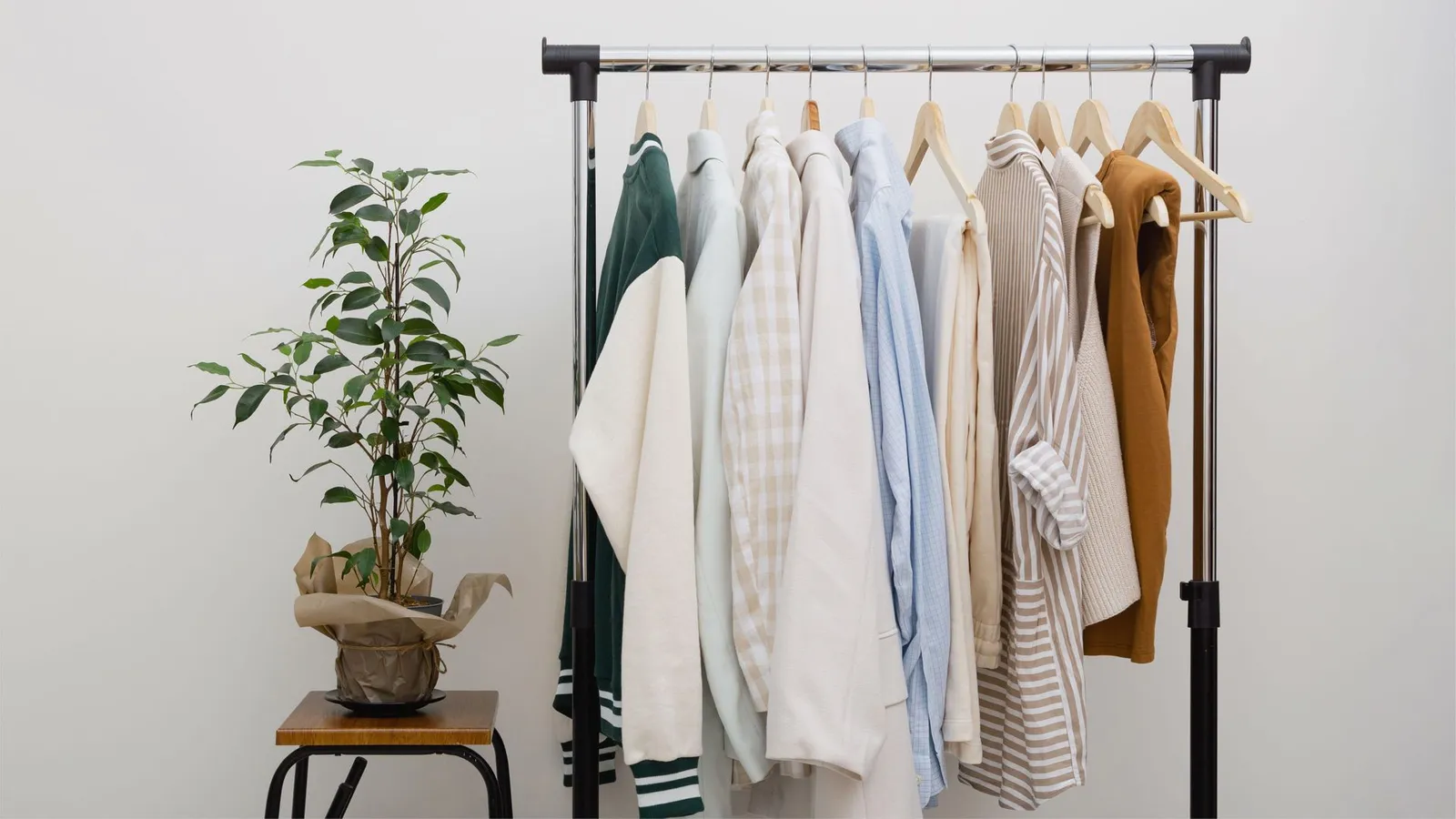
Minimalist fashion refers to the idea of having a minimal amount of clothing and fashion accessories in an individual’s wardrobe. It is ideally a collection that addresses the individual’s needs and necessities while bringing them genuine satisfaction and happiness. It is a fashion philosophy that embraces simplicity, functionality, and a streamlined approach to dressing. At its core, minimalist fashion helps organize a wardrobe that contains essential, versatile, and timeless pieces that can be mixed and matched in any way. Given below are the general characteristics of minimalist fashion:
- Neutral color scheme: The minimalist color scheme frequently features muted tones and neutral hues like black, white, grey, and beige. These hues produce a harmonious and adaptable outfit that is simple to coordinate.
- Silhouettes and clean lines: Minimalist clothing is characterized by simple, uncluttered silhouettes and clean, uncluttered lines. The focus is on timeless shapes that resist passing fashion trends.
- High-quality materials: Materials are very important in minimalist clothing. For their sturdiness and comfort, natural textiles like cotton, linen, wool, and silk are preferred.
- Versatility: Items in minimalist wardrobes can be readily mixed and matched to create a variety of outfit combinations. Versatile apparel makes getting dressed easier and eliminates the need for unnecessary clothing.
- Functionality: Comfort and functionality are given top priority in minimalist clothing. Clothing ought to have a purpose and blend in with multiple aspects of daily living.
- Limited accessories: Accessory use is frequently kept to a minimum, with an emphasis on simple, classic items that harmonize with the overall design.
- Organized aesthetic: Minimalist fashion encompasses a decluttered overall appearance in addition to apparel. This can entail choosing a straightforward, visually appealing regimen and a neat, unadorned appearance.
Impact on the fashion industry
An innovative concept that is transforming the whole fashion industry, minimalist fashion is more than a temporary trend. This conscious attitude towards dressing and fashion is having a tremendous effect that goes well beyond personal closets. Here are several instances of how minimalist fashion is transforming and affecting the fashion industry:
Changing consumer mindset
Minimalist fashion raises doubts about the generally accepted norm of following the latest fashions. Buyers become more discerning and deliberate in their purchasing decisions when they adopt minimalist ideas. The dynamics of supply and demand within the business have changed as a result of this shift in mentality and the demand for higher-quality, more durable clothing.
Demanding sustainable practises
Minimalist fashion promotes moral and environmentally friendly industrial practices. Consumers are becoming more and more concerned about how their clothing selections will affect the environment and society. In order to reflect the values of mindful consumers, this has led fashion businesses to re-examine their supply chains, use eco-friendly materials, and place an emphasis on fair labor practices.
Capsule collections
An essential of minimalist fashion, capsule collections are growing in popularity. Customers looking for useful and classic wardrobes are drawn to these carefully picked sets of components. By creating and promoting capsule collections that support the minimalist ethos, brands are responding to this trend.
Transparency
The necessity of transparency in the production process is emphasized by minimalist fashion. Consumers are becoming more and more curious about the origins and manufacturing processes of the clothing they purchase. To build a sense of trust and accountability, brands are reacting by offering comprehensive information about sourcing, manufacturing, and ethical practices.
Waste reduction
Unreasonable amounts of garment waste have been caused by the rapid fashion model. A more deliberate approach to purchasing is encouraged by minimalist fashion, which cuts down on impulsive buys and pointless accumulation. This change is reducing the amount of clothing being thrown out over time, which helps cut down on overall fashion waste.
Encouraging innovation
The popularity of minimalist fashion has sparked innovation in business strategies, production techniques, and materials. The business is changing for the better as brands look into innovative ways to make robust, adaptable, and sustainable clothing that adheres to minimalist fashion’s guiding principles.
Sustainability of minimalist fashion
The minimalist fashion approach inherently encompasses a dimension of sustainability, firmly anchoring responsible choices within its core. It encourages conscious consumption in the following ways:
Waste reduction
At the core of minimalist fashion is the idea of a carefully picked wardrobe made up of high-quality, flexible pieces. Minimalist fashion inspires people to buy fewer things and make wiser choices by emphasizing necessities and classic styles. Through careful selection, impulsive purchasing, excessive consumption, and clothing waste can all be considerably reduced.
Ethical production
Minimalist clothing promotes a break from the exploitative methods sometimes connected to quick clothing. Brands that adhere to minimalist principles place a high priority on ethical treatment of employees, safe working conditions, and fair remuneration. By adhering to social responsibility, fashion production’s human component is acknowledged and safeguarded.
Extended product life
Quality prevails over quantity in the minimalist fashion approach. The longevity of the apparel is increased by making investments in well-made, robust clothing. These valued objects last over several seasons, lowering the need for frequent replacements and sparing resources that would otherwise be used to create new products.
Reduced fashion footprint
The emphasis on adaptability and timeless style in minimalist clothing directly contributes to the industry’s smaller environmental impact. Fast-fading trends are avoided in favor of timeless aesthetics, reducing the need for new collections and reducing the environmental cost of high turnover.
Responsible sourcing
Eco-friendly fabrics like organic cotton, hemp, and recycled materials are encouraged by minimalist fashion. By choosing materials with less of an impact on the environment, resource depletion rates and pollution are reduced.
Conscious consumption
Minimalist clothing encourages a thoughtful shopping attitude. Customers are urged to give their purchases careful thought and determine whether a new item actually fits their needs and style. Due diligence lessens impulsive purchases and promotes a culture of deliberate consumption that is consistent with sustainable principles.
Cultural influence
Beyond personal closets, minimalist fashion promotes a wider societal transformation towards environmentally friendly principles. It challenges societal standards of excessive consumption, the status quo of recurring trends and opens the door to a future in which fashion is in line with ethical and environmentally sustainable behaviors.
Challenges of minimalist fashion
Despite providing a sustainable alternative to drive away excessive consumerism and quick fashion, minimalist fashion is not without its own share of difficulties. The various challenges of adopting a minimalist wardrobe and way of life can be understood further as one delves deeper into this practice built on simplicity.
Limited self expression
The perception of having limited self-expression is one of the main problems with minimalist fashion. While fostering versatility, maintaining a small wardrobe can unintentionally raise issues with repetition or a lack of individual flair. Fewer clothing alternatives may make it harder for certain individuals to exhibit their particular style because fashion has historically been a means of self-expression and identity.
Consumer behaviour
Maintaining a minimalist lifestyle in the face of consumer temptations can be difficult in a world where trends and fashion are constantly evolving. Even the most dedicated minimalist may find it difficult to resist the compelling appeal of recent additions, seasonal collections, and limited-edition items. It can be mentally draining to have to constantly fight the desire to acquire new things, and it calls for a strong dedication to one’s minimalist ideas.
Emphasis on quality
Adopting minimalist fashion frequently necessitates spending more on long-lasting, higher-quality clothing. However, some people may face financial difficulties as a result of this transition from quantity to quality. Investing extra money up front may be necessary to create a wardrobe of robust necessities because high-quality items are more expensive. It takes careful planning to achieve the delicate balance needed to reconcile the demand for well-made goods with financial considerations.
Limited versatility
Although minimalist wardrobes excel at being versatile on a daily basis, some people might find them less suitable for formal occasions or specific dress rules. It may be necessary to wear elements that depart from the minimalist style while dressing for formal occasions, formal venues, or themed parties. Practical difficulties can arise when attempting to strike a balance between a well-curated everyday wardrobe and random creative demands.
Trend resistance
Minimalist fashion often opposes the quick cycle of trend-driven items and promotes timeless design. This reluctance to follow trends, meanwhile, can occasionally make people feel detached from the world of modern fashion. It may be challenging for individuals who value being trendy and current to match their personal style with the minimalist aesthetic, which places less emphasis on adhering to trends.
Environmental considerations
Minimalist fashion has its own ecological implications, even within the context of sustainability. From raw material extraction to manufacturing, the creation of high-quality, long-lasting clothing entails resource-intensive procedures. Despite the fact that these products are built to last, the production process adds to the industry’s environmental impact. A holistic approach to environmental responsibility is necessary to strike a balance between sustainable practices and minimalist principles.
Practicing minimalist fashion
Although minimalist fashion provides a sustainable alternative from excessive consumerism and quick fashion, it is not without limitations. Given below are some of the challenges that stand in the way of adopting minimalist fashion:
Limited closet expansion
Analyse the current wardrobe collection to get started. Examine each item carefully, determining whether it fits comfortably and is consistent with one’s personal style. If an item no longer resonates with one’s preferences, think about trading it or donating it. It is common to end up purchasing items thinking that they might come in handy in the future or to hold onto clothing and accessories due to their sentimental value. It is important to say goodbye to such items that serve no special purpose in an individual’s wardrobe. Practice the “One in, one out” rule by taking out one item from the closet for every new one that is added. This procedure keeps the wardrobe organised and helps prevent accumulation.
Resist impulse purchases
It’s critical to lessen impulsive buying decisions. This reduces the likelihood of making unnecessary clothing purchases that frequently go unused. For instance, refrain from purchasing clothing items that are the wrong size because they may be wearable in the future or because they look good on another person. Understanding why the purchase is being made in the first place is crucial. Concentrate on assembling a wardrobe of adaptable basics that can be combined and matched with ease.
Recycle and reuse
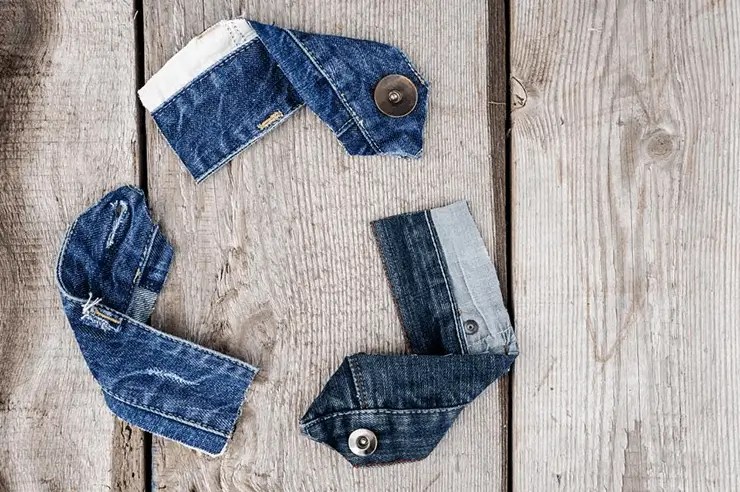
Recycle and reuse the existing clothing items in as many ways as possible. This helps in making the most use of any fashion purchase and also reduces the depletion of virgin resources extracted for production. Focus on fabrics made of recycled fibres like recycled cotton, polyester, and nylon and upcycled materials while making a purchase. With everything driven by trends, exercise caution. Try to choose trends that actually fit one’s style and may be incorporated into the current wardrobe rather than following every passing trend.
Avoid fast fashion
The quick production cycle of fast fashion frequently worsens environmental damage and labor abuse. Avoiding rapid fashion encourages consumers to adopt more ethical and ecological practices. People can help promote a more responsible and conscientious approach to clothing consumption by choosing higher-quality, ethically made items. The low pricing of fast fashion could stimulate impulsive purchases and result in overspending on a variety of things. Avoiding fast fashion allows people to spend money on fewer, higher-quality items that help build a well-balanced and thoughtful wardrobe. Avoiding fast fashion also helps to hold down impulsive purchases and put more of an emphasis on buying things that actually fit one’s requirements and style.
Quality over quantity
The value of making long-lasting investments in quality clothing is emphasized in minimalist fashion. Make buying durable items that support the minimalist aesthetic’s focus on durability a priority. Accept the saying “buy less, choose well” and spend money on well-made clothes that will last. Choose items made from long-lasting, ethically sourced materials. Even though they may be more expensive up front, these products typically end up being more valuable in the long run. To increase the lifespan of the clothing materials, appropriate maintenance must be taken. Follow the care recommendations, fix small damages right away, and store the items to avoid creases and damage.
Conclusion
The current strategies in the fashion industry pose several environmental issues, and minimalist fashion is a meaningful response to these challenges. By virtue of its design, minimalist fashion encourages a mindset of deliberate choice and the creation of a smart wardrobe that goes beyond passing fads. This thoughtful approach to purchasing apparel directly opposes the trash culture that has long afflicted this industry. It causes demand for transparency, moral labor practices, and environmentally friendly products to ripple across the world’s supply chains. A paradigm shift that prioritizes durability over disposability, substance over superficiality, and ethics over expediency can be achieved by incorporating this philosophy at the organizational and individual levels.
Every decision matters in the world of sustainability, and every deliberate action adds to the story of good change. The power of individual agency can be embraced through minimalist fashion, realizing that individual choices can have the potential to change industries, influence behaviors, and promote a more peaceful coexistence in the world.
 Planet Rescue 101
2 thoughts on “How sustainable is minimalist fashion?”