
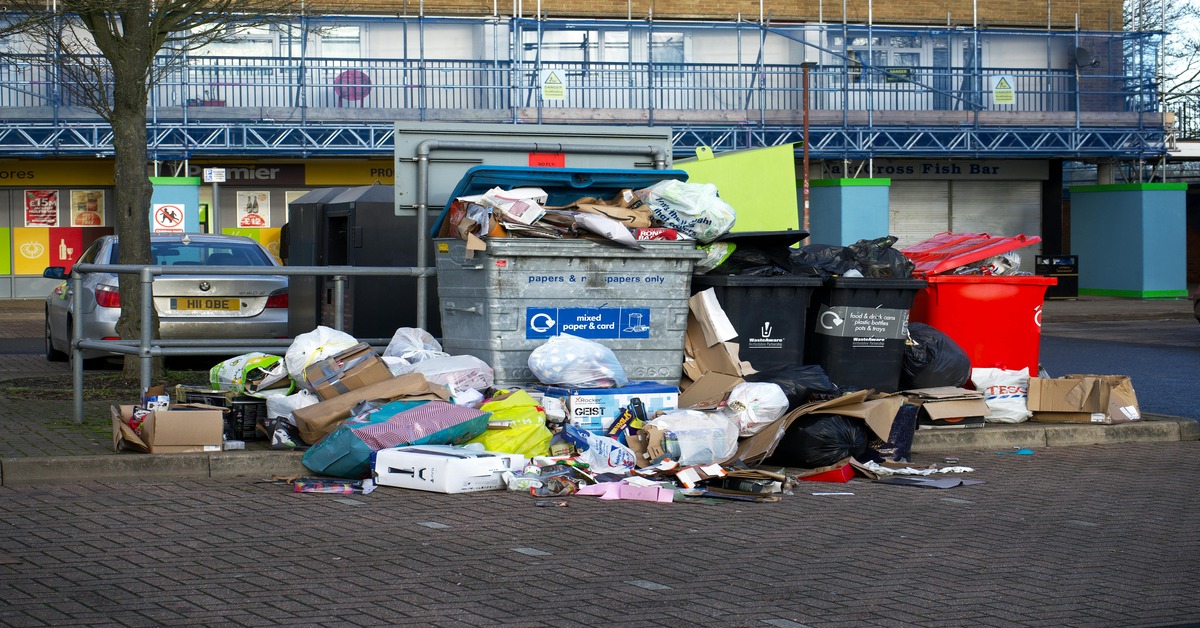
Online shopping has become an integral part of our daily lives. With just a few taps on a smartphone, a wide range of items, from groceries to electronics, can be delivered right to our doorsteps — quickly, conveniently, and often at a lower cost than visiting a physical store. However, this convenience comes with a significant issue that many of us are aware of: the accumulation of cardboard boxes in the corner, the plastic mailers that we are uncertain how to recycle, and the products we send back because they did not fit or did not meet our expectations. All of this contributes to a substantial amount of waste, a large portion of which ultimately ends up in landfills.
A circular solution presents an alternative path forward. Rather than viewing packaging and products as single-use items, it promotes the idea of keeping materials in circulation for as long as possible. This involves creating packaging that can be reused, opting to repair items instead of discarding them, and discovering methods to give products a new lease on life. In essence, it moves us away from the conventional “take‑make‑dispose” model and towards a framework that minimizes waste, conserves resources, and benefits both individuals and the environment.
Continue reading “Circular solution for E-commerce waste” Planet Rescue 101