
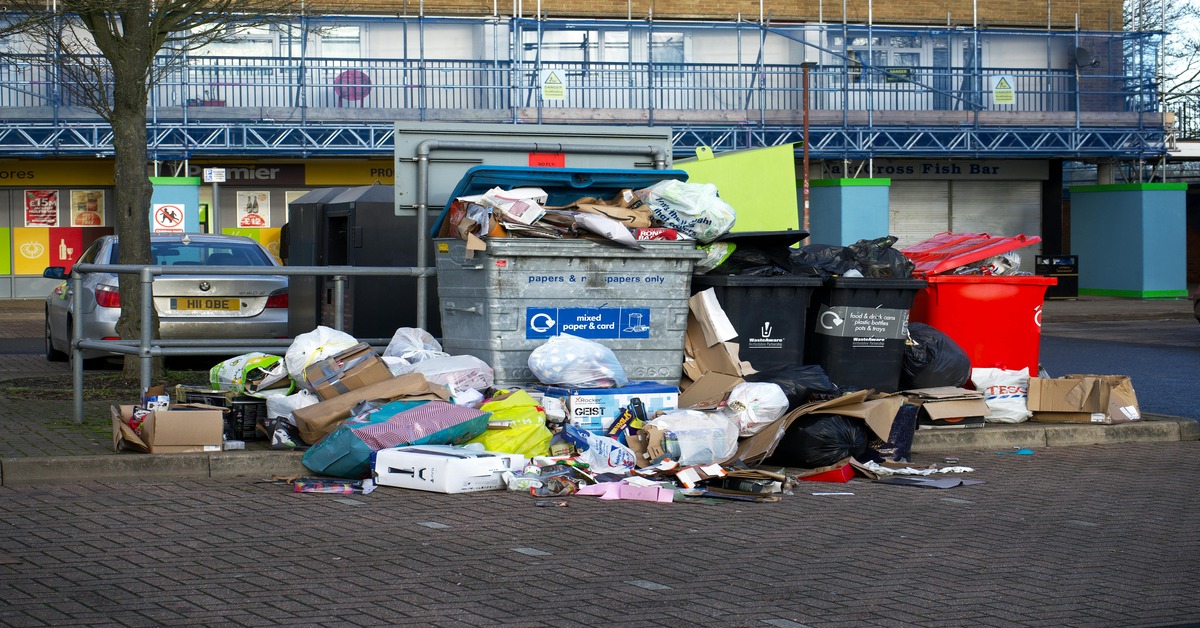
Online shopping has become an integral part of our daily lives. With just a few taps on a smartphone, a wide range of items, from groceries to electronics, can be delivered right to our doorsteps — quickly, conveniently, and often at a lower cost than visiting a physical store. However, this convenience comes with a significant issue that many of us are aware of: the accumulation of cardboard boxes in the corner, the plastic mailers that we are uncertain how to recycle, and the products we send back because they did not fit or did not meet our expectations. All of this contributes to a substantial amount of waste, a large portion of which ultimately ends up in landfills.
A circular solution presents an alternative path forward. Rather than viewing packaging and products as single-use items, it promotes the idea of keeping materials in circulation for as long as possible. This involves creating packaging that can be reused, opting to repair items instead of discarding them, and discovering methods to give products a new lease on life. In essence, it moves us away from the conventional “take‑make‑dispose” model and towards a framework that minimizes waste, conserves resources, and benefits both individuals and the environment.
How E‑Commerce Creates Waste
Explosion of packaging waste
This generation has seen more global e-commerce than ever. In 2026, the global e-commerce revenue is set to reach US$5.36 trillion, and this is the highest number on the board ever. This global surge in goods being sold is largely driven by consumer demand for single‑use products, and the problem continues to grow as the population increases. As a result, packaging waste has become a major issue, requiring significant financial resources to manage. In response to the rapid rise in packaging waste, Europe introduced new regulations in 2026 to limit excessive plastic use in packaging and gain better control over its environmental impact. Most packaging materials—such as cardboard, single‑use plastics, bubble wrap, and tape—are difficult or impossible to recycle quickly, meaning they often end up in landfill. Since plastics do not fully decompose, they break down into microplastics that contaminate soil and food systems and can ultimately harm human health.
For many people, the impact is visible at home: overflowing bins, piles of plastic mailers, and the frustration of not knowing how to dispose of them properly. This everyday experience reflects a much larger global issue — one that circular solutions aim to fix by reducing waste, reusing materials, and designing packaging that doesn’t harm the planet.
High return rates
Online shopping seems fun, and it is very important; however, with increase in online shopping, there is a rise in the number of returns as sometimes customers aren’t satisfied with their product or there were other issues. In a global perspective, this become an expensive issue as returned packages need to be checked for damages, repackaged for hygiene purposes, extra transport, with needing extra labour, which put financial burden on the company and on the waste produced from this. In the standard logistics one returned item needs one cardboard box package, tape, 1 or 2 rolls of bubble wrap and extra labels. The total waste from one item will weigh around 1/4 kg, according to Packaging Europe and this is 5 times more waste produced than you would from a normal store buy.
The global e-commerce return rate in 2025 averaged 20-30%, implying that 1 in every 3 to 5 online purchases results in the return of the items. Online product returns are 3 times more common than in-store bought items returned. These statistics show that high return rates are a major and consistent issue across the e‑commerce industry. Out of all returned items, clothes are the most common as they might not fit the customer. Clothing accounts for 25 percent of all online returned items and contributes a lot to landfills. This is problematic for environmental concerns, as more delivery trips increase carbon emissions, and more landfill builds up from discarded items, since it is cheaper for companies to throw items away than to resell them. Returned products also require new packaging and extra handling, which adds even more waste and energy use to the process.
Short product lifespans
Short product lifespans have become a major problem in the e‑commerce world because items are often designed to be cheap, fast, and disposable rather than durable. Many online products—especially electronics, fast fashion, and low‑cost home goods—break quickly or lose quality after only a few uses, which pushes customers to replace them sooner than they should. This constant cycle of buying and discarding creates huge amounts of waste, increases carbon emissions from repeated deliveries, and encourages manufacturers to prioritise speed over sustainability. In the end, short product lifespans turn e‑commerce into a system where products move from warehouse to customer to landfill far too quickly, making the entire model environmentally and economically unsustainable.
Poor recycling systems
Poor recycling systems make the environmental impact of e‑commerce even worse because most returned or discarded products never make it back into a proper recycling stream. Many countries lack the infrastructure to sort mixed materials, so items made of plastics, fabrics, metals, and electronics often end up in landfills simply because facilities cannot separate them efficiently. A real‑world example of this is the massive volume of textile waste in the United States: 11.3 million tons of clothing are sent to landfill every year, and only 12% of fabric is recycled, largely because blended materials cannot be processed by most recycling centres. Even when recycling exists, contamination, low‑quality materials, and the sheer volume of waste mean that only a small fraction is actually recovered. In the end, weak recycling systems turn potentially reusable products into long‑term environmental damage, showing how a fixable issue becomes a much larger problem.
How the System Can Be Made Better
Design out waste
Products are created with the mindset that waste is not accounted for, focusing solely on the potential profit a product can bring to someone. This is faulty and suggests that products are often not designed to be recycled, reused, or repaired. One method to fix this issue is by designing out waste that generates huge volumes of packaging, returns, and short‑lived products.

Creating products built to last rather than be replaced changes this significantly, reducing the amount of waste produced. A clear example of why designing out waste is necessary can be seen in the way many consumer electronics are built today. Smartphones, especially from major brands like Apple, are often designed in ways that limit their lifespan. Older iPhone models eventually stop receiving software updates, which means users lose access to new features, security patches, and app compatibility. At the same time, batteries in these devices naturally degrade after a few years, but they are difficult and expensive to replace. A report states that one in three smartphones is in working condition that are replaced. This combination pushes consumers toward buying a new phone even when the old one is still physically functional. To ensure less waste, the European Union has implemented laws stating the requirements for companies to abide by product longevity to guarantee durability and available software updates for older phones, with spare parts to be available.
E-commerce waste extends beyond electronics; packaging itself plays a significant role. Numerous products are dispatched in excessively large boxes, mixed-material packaging, or layers of plastic that are non-recyclable. These materials prioritize convenience over circularity. Consumers can contribute by opting for products with minimal or recyclable packaging, selecting slower consolidated shipping options, or supporting brands that provide reusable packaging solutions. Several companies are already testing returnable packaging systems, which maintain materials in circulation rather than disposing of them in landfills after a single use. When customers engage in these systems — by returning packaging, participating in reuse initiatives, or avoiding unnecessary deliveries — they help illustrate that circular design is both feasible and appreciated. This highlights how daily decisions, coupled with upstream design enhancements, can significantly minimize waste throughout the entire e-commerce ecosystem.
Reusable packaging loops
Reusable packaging loops are one of the most circular solutions out there due to their ability to keep the product or parts of it circulating in the market, which in the long-term reduces the amount of waste significantly. In a traditional e‑commerce system, packaging is designed for a single journey: it protects the product during shipping and then becomes waste the moment the customer opens it. A reusable loop flips this logic. Packaging is designed to be durable, returnable, and used repeatedly across many deliveries. Instead of constantly extracting new materials to make new boxes, the same packaging circulates through the system again and again, dramatically reducing waste, emissions, and resource use.
This approach also redesigns the customer experience. When shoppers receive their order in a reusable container, they simply return it through a drop‑off point or pickup system, and the packaging is cleaned, inspected, and put back into circulation. Because the packaging is built to last, companies invest in higher‑quality materials that can withstand dozens of shipping cycles. In the long term, reusable packaging loops also benefit companies financially. They reduce the need to constantly purchase new packaging materials, and the streamlined return‑and‑reuse system speeds up delivery operations. With fewer delays in sourcing packaging, companies can process and deliver more orders each day. Customers benefit as well, since they no longer have to store or dispose of excess packaging at home. They receive only the product they want, without the burden of managing unnecessary waste.
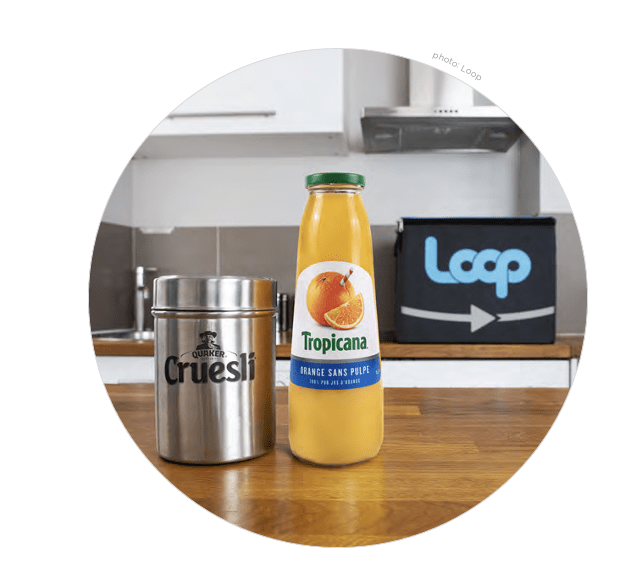
Organisations such as Loop, RePack, and more deliver goods inside thick boxy thermal material to keep groceries or other products from going bad, and expect them back from customers, reducing the amount of waste. Customers receive their order in a sturdy container, return it easily through a drop‑off or pickup system, and avoid the hassle of storing or disposing of waste. Because the packaging is designed to protect products better, items arrive in good condition more consistently, reducing the frustration of damaged goods and unnecessary returns. Over time, these systems can also lower costs for consumers, as companies save money on single‑use packaging and pass some of those savings on through lower delivery fees or product prices. In short, reusable packaging loops make online shopping cleaner, simpler, and more sustainable for ordinary people.
Repair, refurbish, and resale
Repair maintains a product’s functionality by addressing only the damaged component. Rather than substituting the entire item, one may replace a battery, a zipper, a hinge, or a circuit. This approach is circular as it prolongs the product’s lifespan, diminishes the need for new materials, and averts needless disposal. When repair is both simple and cost-effective, products remain in circulation for a significantly longer period.
Refurbishment takes the process a step further. It entails restoring a pre-owned product to a “like-new” state, which includes cleaning, replacing worn-out parts, updating software, and conducting quality tests. Refurbished products are reintroduced into the market rather than being discarded as waste. This practice is circular as it retrieves value from existing products and mitigates the environmental impact associated with the production of new items.

Resale facilitates the continuous circulation of products by transferring them from one user to another. Platforms such as Depop, eBay, Facebook Marketplace, and certified refurbished stores enable items to be utilized by various owners. This process is considered circular as it extends the useful life of each product, thereby minimizing the necessity for new production and decreasing overall waste.
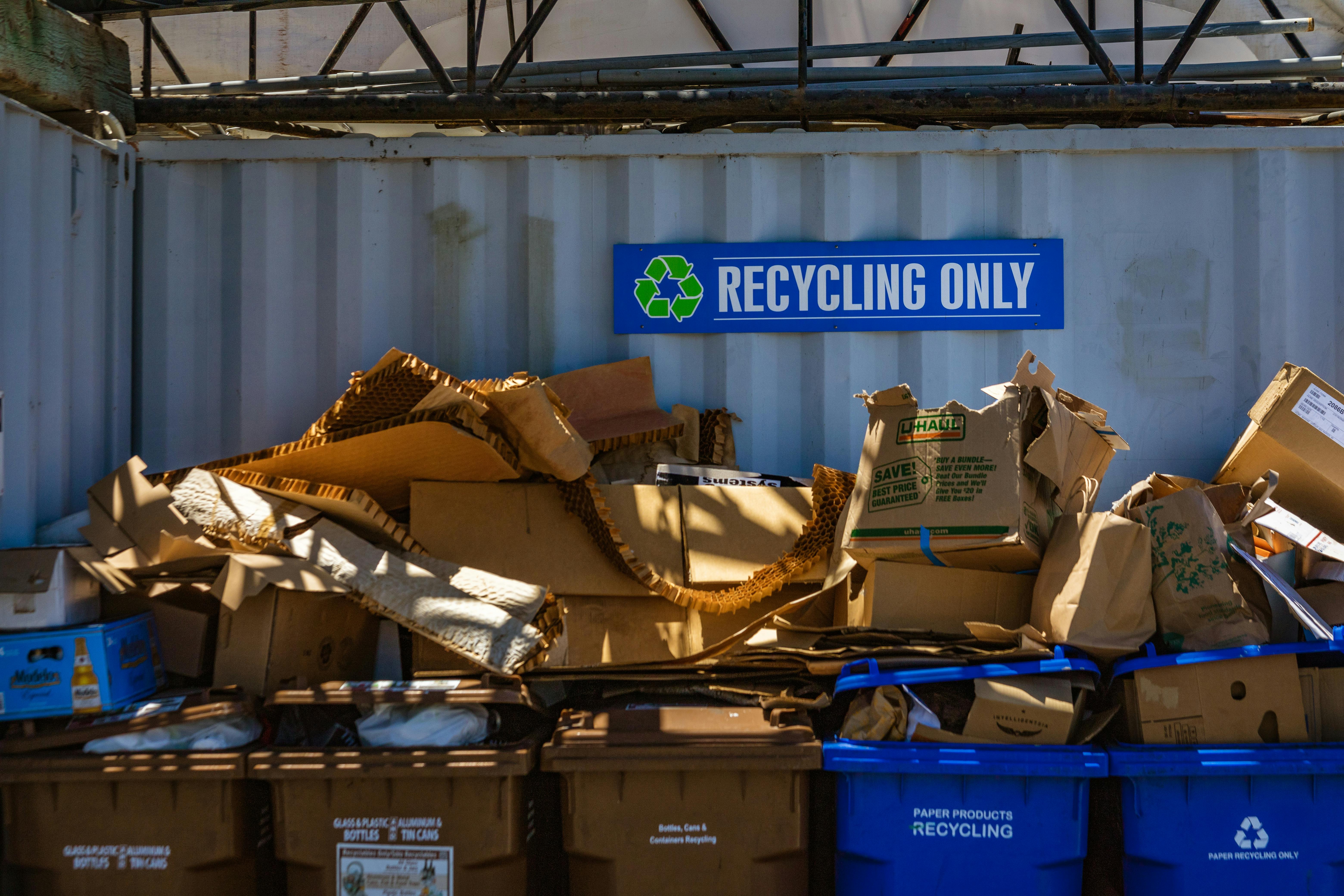
One such example in real life is the work companies such as Beko are doing, which are integrating a system of “Reduce–Refurbish–Recycle” which is spreading across Europe. Beko’s circular economy program is a clear real‑world example of how repair, refurbishment, and resale can work at scale. The company refurbishes returned appliances through dedicated centres in the UK, Italy, and Romania, restoring them to high‑quality second‑life products. These refurbished items are then sold at up to 30% below standard retail prices, making sustainable choices more affordable for consumers. By extending product lifecycles and preventing thousands of appliances from becoming waste, Beko demonstrates how circularity can deliver both environmental and economic benefits.
Smarter logistics
Smarter logistics provides an effective circular solution to e-commerce waste by rethinking the movement of products and packaging within the system. Rather than depending on single-use materials and inefficient delivery routes, circular logistics emphasizes the consolidation of shipments, the reduction of unnecessary packaging, and the utilization of returnable or reusable materials that remain in circulation for extended periods. Additionally, it establishes robust reverse-logistics pathways to ensure that returned items can be repaired, refurbished, or resold instead of being discarded. By integrating efficient transportation, reusable packaging, and product recovery, smarter logistics facilitates the continuous circulation of materials and significantly reduces the waste typically associated with online shopping.
Symbolism
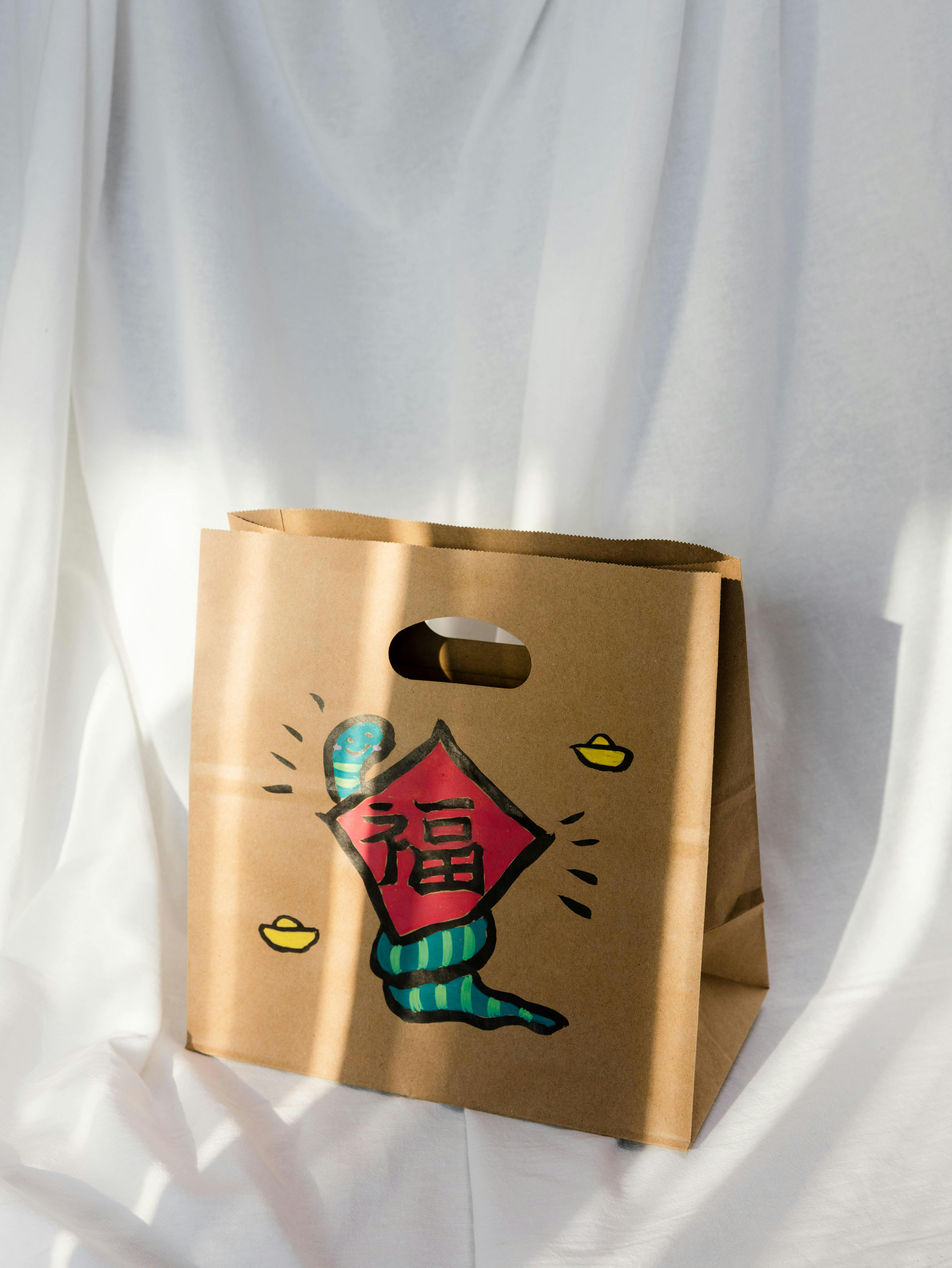
Some businesses, like Blinkit, have created positions like Packaging Designer to produce eye-catching images on their paper bags in the hopes that consumers will use them for craft or art projects. Although this is meant to offer the packaging a “second life,” it mainly depends on consumers being willing, and able to engage in creative reuse. For a lot of folks, the bag just ends up being an extra garbage can that is thrown away in a day or two. This demonstrates a fundamental drawback of symbolic circularity: meaningful reuse cannot be ensured by beautiful design alone. Multiple individuals have noticed how their houses are getting filled with paper waste and realising later, and this focuses on the waste issue. Companies must go beyond ornamental approaches and create packaging that encourages useful, everyday reuse, such as sturdy bags, returnable systems, or materials that are actually simple to recycle, if they want to have a significant impact. Giving a choice to customers for choosing paper or ordering visa sturdier bags that can be returned improves the paper waste situation circularly.
Conclusion
E‑commerce has transformed the way we live, but its hidden waste problem shows that convenience comes with real environmental costs. Packaging mountains, high return rates, short‑lived products, and weak recycling systems have created a linear model that the planet can no longer sustain. Circular solutions offer a practical and necessary alternative. By designing out waste, adopting reusable packaging loops, repairing and refurbishing products, and building smarter logistics systems, we can keep materials circulating instead of sending them to landfill after a single use. These strategies don’t just reduce waste — they reshape the entire e‑commerce ecosystem into one that values durability, efficiency, and resource recovery. As online shopping continues to grow, embracing circularity is no longer optional; it is the only path that protects both the environment and the future of digital commerce.
 Planet Rescue 101