

For generations, oil has been used for many different reasons by human civilization, such as to generate electricity, heat homes, and have a stable economy. In recent times, every year, 90 million ballers of crude oil are transported to refineries for human use, showing its importance to our livelihoods. Oil has always been an essential component of our livelihood; however, the process of recovering raw oil from the Earth safely has not always been done properly. Due to human errors or technical issues, raw petroleum can be spilled in huge quantities on land or ocean and have an effect for a long time on the environment. This blog captures the reasons for oil spills, how they impact the environment, and circular solutions to mitigate the effects of oil spills.
How oil spills take place
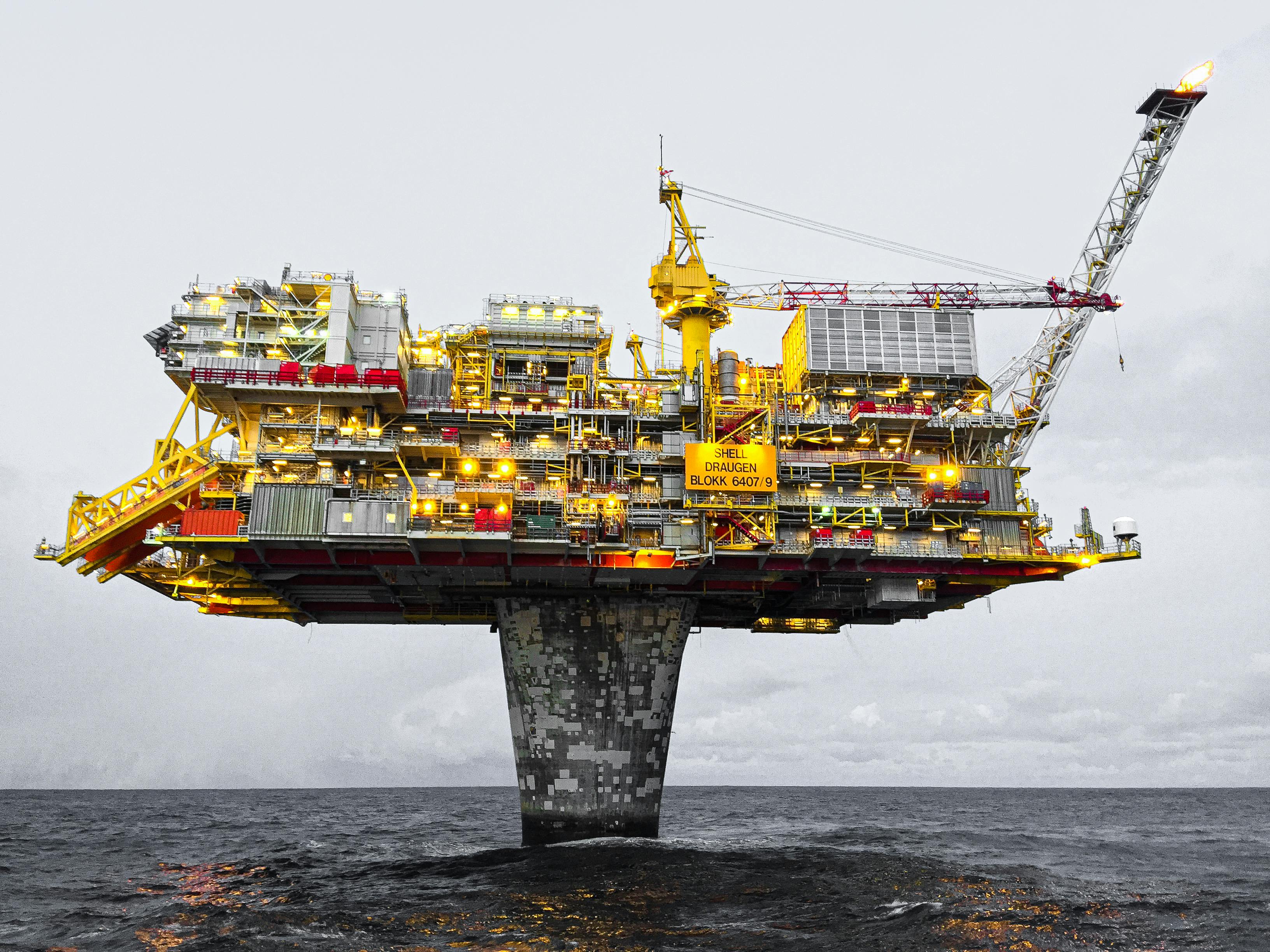
An oil spill occurs when liquid petroleum hydrocarbons or crude oil are released into the environment in an uncontrolled manner. Crude oil is inherently formed from the decomposition of dead plants and animals over millions of years, typically known as fossil fuels. Crude oil is often dug out from the sea floor or from land using drilling machines to extract it. In modern day, crude oil is mostly recovered from pipelines or from ocean platforms called oil rig platforms or offshore platforms.
In the ocean, crude oil is transported to oil refineries, and it is either transported in huge ships known as oil tankers or through huge pipelines that run from the oil rigs to the shore beneath the ocean. When a pipeline bursts or is not properly concealed same goes for the oil tankers; if they are damaged or sink, the consequences are the crude oil being spilled. Oil spills occur more often than we think, as in the US, more than a thousand spills take place each year, but they are small. However, occasionally big oil spills can happen.
How oil spills affect ecosystems and communities
The raw form of petroleum, straight from the Earth, is inherently harmful to all living creatures and has various impacts on the environment.
Ecosystem
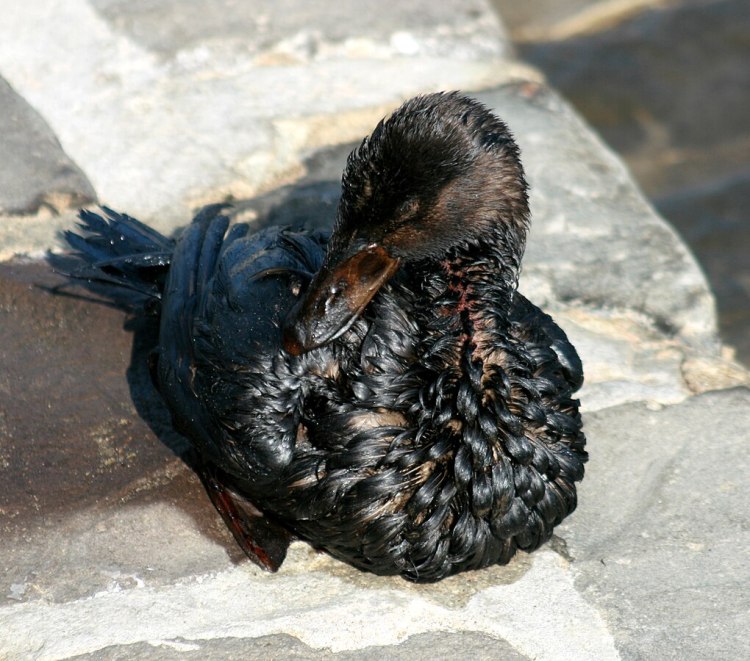
When oil spills happen, due to its hydrophobic nature, it can stay on the surface of water without dissolving for long periods of time and often detaches from the main oil spills and forms small oil slicks floating freely into the open ocean. Animals such as migratory birds are a major victim of this incident. Migratory birds rely on hunting in waters for fish and often rest on the water surface for feeding and exhaustion. Many bird species get caught in these oil slicks, where the toxic crude coats their feathers, destroying their natural insulation and buoyancy.
Unable to regulate body temperature or stay afloat, birds become hypothermic, exhausted, and vulnerable to drowning. As they attempt to clean themselves, they ingest oil, leading to internal damage, poisoning, and often death. Entire flocks can be affected, disrupting migratory patterns and threatening species already under pressure from habitat loss and climate change.
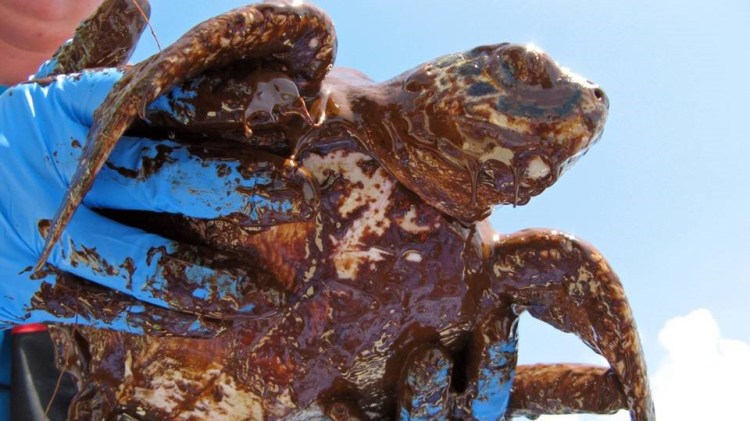
Other species, such as turtles, are also majorly affected as hatchlings and juveniles easily ingest the oil-contaminated prey or become trapped with oil on themselves. Crude oil is very hard to get off many substances due to its slippery nature and sometimes enters the respiratory tract, thus causing death to many species or respiratory diseases.
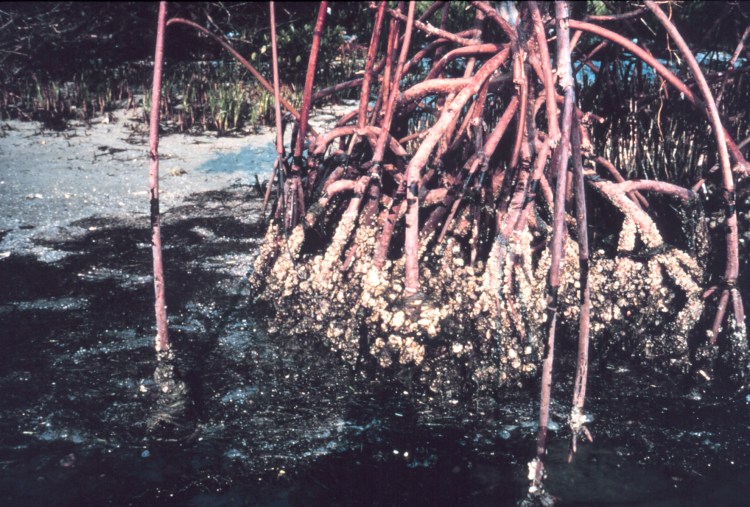
In local vegetation such as mangroves, crude oil can seep into roots, causing suffocation as water cannot penetrate the oil. The blockage of oxygen results in the death of many plant species and also indirectly affects the breeding grounds for many fish and amphibians.
Human health and food security
Oil spills not only devastate wildlife; they also place human health at risk. Toxic aerosols released into the air and contamination of rivers, lakes, and groundwater expose communities to invisible dangers. Individuals develop respiratory problems, suffocation, and digestive illnesses when they ingest polluted water — a silent assault on everyday life.
When oil penetrates the soils and waters that sustain farming, crops become tainted, and the food that communities rely on is poisoned at its source. The threat extends to the seas: shellfish and fish absorb toxins, and when consumed, they pass these health hazards directly to people. In response, bans on seafood are often imposed after major spills. While necessary for safety, these restrictions deepen food security strain, leaving fishing villages and coastal livelihoods struggling to survive.
Thus, oil spills ripple far beyond the ocean’s surface. They erode food security and compromise the health of entire communities — a stark reminder that human well‑being is inseparably tied to the health of our environment.
Economy
Oil spills strike at the heart of coastal economies, particularly in communities that depend on fisheries and tourism. When sea animals are harmed due to oil spills, they are banned from being fished and sold in the market to protect public health, and this is often dangerous for villages that often rely on fishing as their main livelihood. Families face unemployment, declining wages, and the collapse of small businesses, creating long‑lasting financial strain.
Beyond economics, oil spills disrupt the social and cultural fabric of coastal life. Fishing and tourism are not only livelihoods, but traditions passed down through generations. The loss of these practices erodes community identity and resilience, while the stress of health risks and economic hardship weighs heavily on social bonds. Recovery, therefore, is not just about cleaning ecosystems but restoring the cultural and economic lifelines that sustain communities.
Circular solutions for oil spill and cleanup
Rescue and rehabilitation

When oil spills affect wildlife, indigenous or other coastal communities are the first to respond. Fishermen and trained volunteers are sent in boats to safely capture oiled animals while wearing protective gear. The animals are then taken to immediate medical care facilities, such as veterinary clinics, to receive treatment. Once rescued, animals are transported to veterinary centers where experts clean feathers, fur, or shells with detergents and treat health issues like poisoning or respiratory distress.
After treatment, animals undergo rehabilitation in safe enclosures until they regain strength and natural waterproofing. Vets and volunteers monitor their recovery, and once healthy, the animals are released back into restored habitats such as mangroves, wetlands, or coastal waters. This cycle of rescue, recovery, and reintegration not only protects biodiversity but also empowers communities as guardians of wildlife. Training, equipment, and knowledge gained during one spill can be reused in future incidents, creating a circular system where care, stewardship, and ecological renewal reinforce each other.
Support Bioremediation Efforts

Natural sorbents, such as coconut husks, rice husks, or sawdust, can gently float across the water’s surface, absorbing oil as they drift. Once collected, these natural materials can be safely burned for energy recovery or composted, turning waste into a resource. By encouraging communities to reuse local agricultural byproducts in this way, everyday waste is transformed into a powerful tool for environmental healing.
When combined with microbial solutions — microbes and fungi that naturally break down oil hydrocarbons — these eco‑friendly sorbents offer a safer alternative to harsh chemical dispersants. Such actions can be woven into beach cleanups, where sorbents and microbial agents are released to meet oil slicks head‑on, breaking them apart without further harm.
Bioremediation can also be applied in fragile coastal systems, such as mangrove forests, where oil suffocates roots and soils. Here, natural sorbents and microbial allies restore balance, protecting the nurseries of fish, crabs, and countless species that depend on these habitats.
Together, these circular solutions demonstrate how communities can transform waste into resilience and science into stewardship — proving that even in the face of disaster, nature itself offers the tools for renewal.
Satellite tracking

Satellites play a vital role in the first stage of oil spill management by detecting and tracking slicks across oceans, rivers, and coastal zones. Using infrared, radar, and optical sensors, they capture real‑time images that reveal the size, thickness, and movement of oil on the water’s surface. This information allows responders to map the spread of contamination and identify vulnerable ecosystems such as mangroves, fisheries, and bird migration routes.
Communities can harness satellite data to make oil spill response both smarter and more sustainable. By accessing maps from agencies like NASA or NOAA, local groups can see where slicks are drifting and which ecosystems—such as mangroves, fisheries, or beaches—are most at risk. Guided by this information, volunteers can organize targeted cleanups. Satellites have become a vital tool for monitoring oil slicks and tracking vessels carrying crude oil, serving as an important knowledge bank for prevention and response.
Resource Recovery
Communities can mobilize their fishermen and trained volunteers to deploy floating barriers crafted from nets or bamboo, effectively containing oil slicks before they spread. Once secured, the collected oil can be transported to the coast and stored in containers, where it is re‑refined and repurposed — transformed from pollution into a valuable resource for cooking fuel and electricity generation.
A case study – Deepwater Horizon
In 2010, the largest oil spill in U.S. history occurred in the Gulf of Mexico, releasing about 4.9 million barrels of crude oil into the sea. The Gulf is home to diverse ecosystems, including coral reefs, seaweed beds, migratory birds, marine mammals, and countless other species. The spill had devastating consequences: thousands of birds, turtles, and marine mammals were affected, while sea turtle and fish populations declined sharply. With coral reefs and plankton — the very foundation of the food chain — severely impacted, the entire ecological balance of the Gulf was destabilized, sending shockwaves through every level of the ecosystem
Approximately 1,600 kilometres of shoreline were impacted by the oil spill, devastating communities that relied heavily on fisheries for seafood. These regions experienced enormous economic losses as fishing was halted and tourism collapsed, leaving many families without stable livelihoods. Beyond the financial strain, residents also faced serious health challenges, including respiratory problems and stress caused by prolonged exposure to oil and chemical dispersants.
Recovery from the Deepwater Horizon disaster gradually took shape through circular strategies that turned waste into resources and damage into renewal. Oil skimmed from the Gulf was collected and re‑refined for industrial use, while natural sorbents such as plant fibers and agricultural byproducts were deployed to absorb contamination and later composted or burned for energy recovery. Wildlife rescue centers rehabilitated oiled birds, turtles, and marine mammals, releasing them back into restored habitats to rebuild biodiversity.
Communities that had lost fisheries and tourism were supported through restoration projects that replanted wetlands, rebuilt oyster reefs, and strengthened coastal defenses, creating new livelihoods while repairing ecosystems. In this way, the response closed the loop: pollution was transformed into usable outputs, ecosystems were healed, and communities regained resilience through stewardship and sustainable practices.
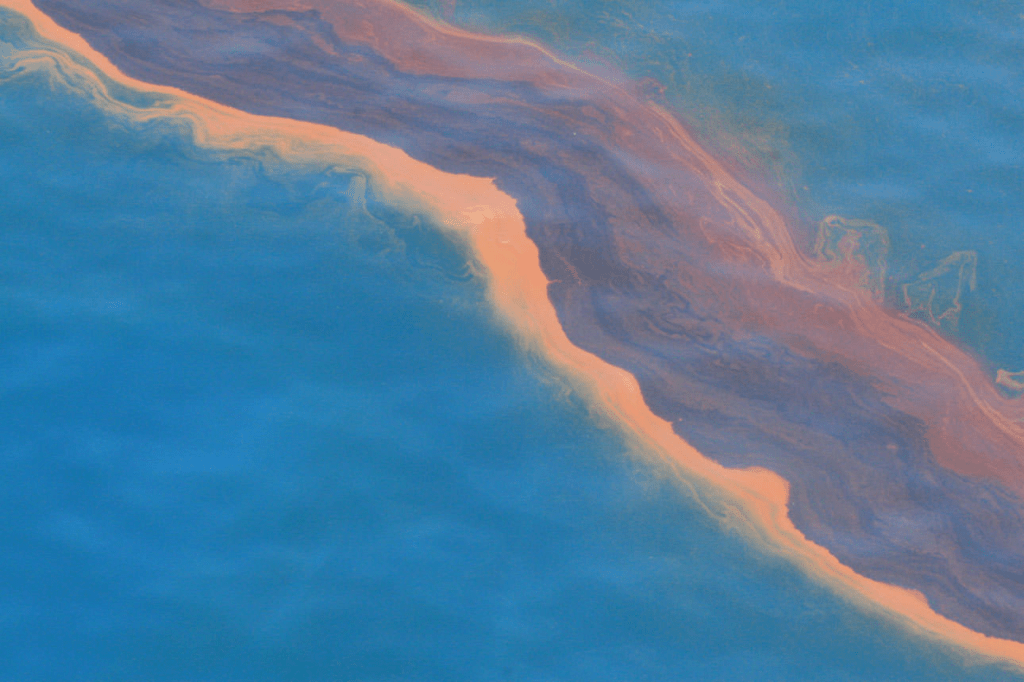
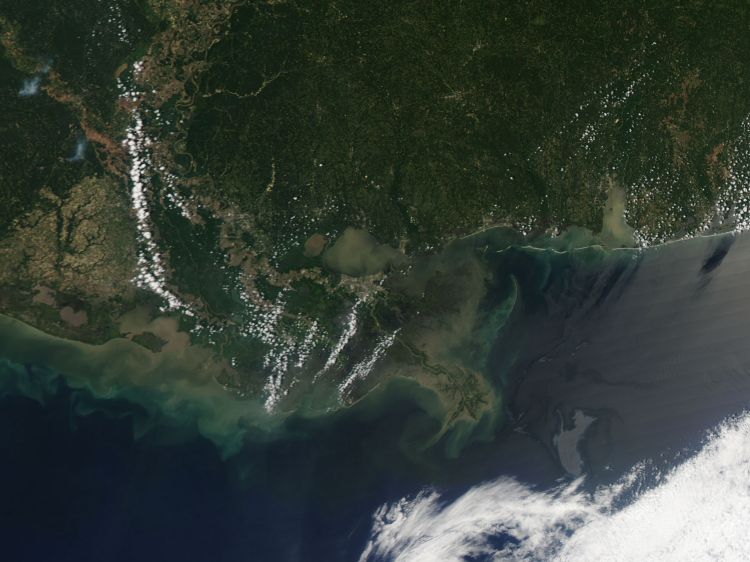
Satellite tracking played a crucial role in the aftermath of the Deepwater Horizon spill by mapping the spread of oil slicks across the Gulf of Mexico, allowing responders to target cleanup efforts and protect vulnerable habitats. Over the years, long‑term monitoring programs have continued to track the health of dolphins, sea turtles, birds, and fish populations, measuring recovery and identifying lingering effects of contamination.
At the same time, billions of dollars in community restoration funds from legal settlements were directed toward rebuilding wetlands, restoring oyster reefs, and supporting coastal economies that had lost fisheries and tourism. Together, these efforts created a circular recovery system: satellites provided the vision, scientists ensured wildlife health, and communities used dedicated funds to restore both ecosystems and livelihoods.
Conclusion
Oil spills are more than environmental accidents — they are crises that ripple through ecosystems, economies, and communities. From birds losing their insulation to fishermen losing their livelihoods, the damage is profound and long‑lasting. Yet, recovery is possible when science, technology, and community action converge. Circular solutions such as natural sorbents, microbial allies, satellite tracking, and resource recovery transform waste into resilience. The Deepwater Horizon disaster showed that restoration can rebuild both biodiversity and human well‑being. Protecting our oceans means protecting ourselves, reminding us that environmental health and human survival are inseparably linked.
 Planet Rescue 101
