
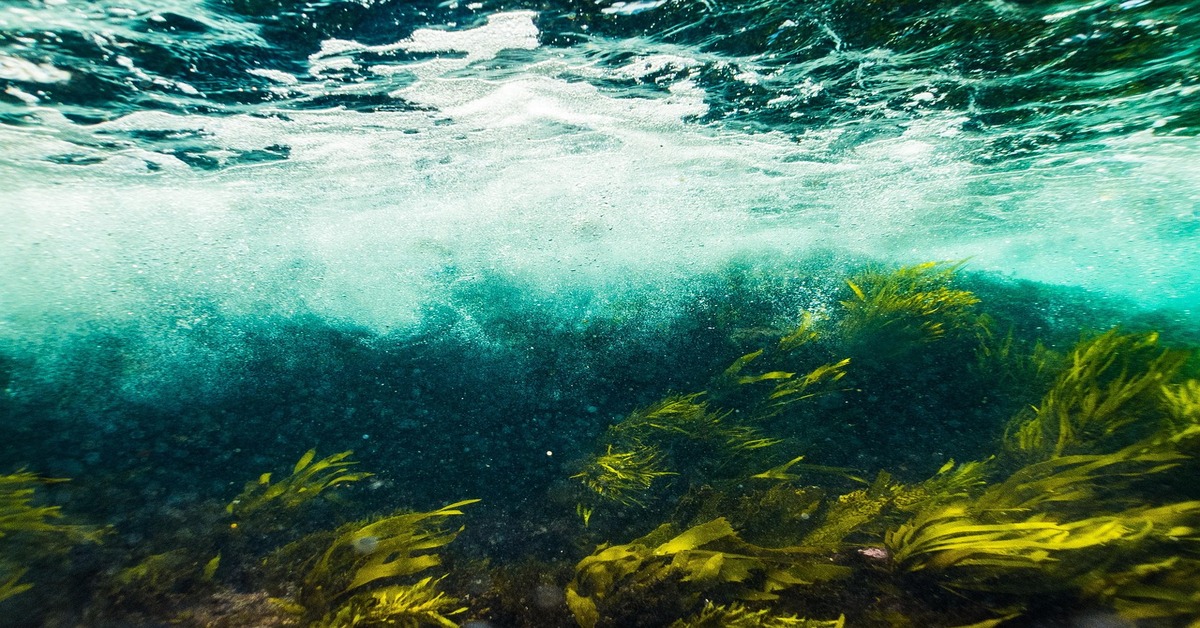
Plastic packaging is ubiquitous in everyday life, but the core problem driving the search for alternatives is not simply higher use — it is plastics’ persistence: their inability to decompose leads to accumulation in landfills, oceans, and soils. This long‑term stockpiling of nondegradable waste has triggered research into biodegradable materials. Seaweed‑based packaging emerged as a promising solution because seaweeds are abundant, renewable, and rich in polysaccharides that can form films and coatings. Seaweed packaging has been a huge success in the field of daily life packaging; however, it has yet to be introduced into industrial packaging. This is a significant concern, given that industrial plastic packaging causes substantial problems with carbon emissions worldwide.
How seaweed packaging has taken off
To mitigate plastic pollution
Plastics are used in our society every minute of the day. The importance of plastic lies in its durability, flexibility, and versatility. However, one big issue with plastics used for packaging is their inability to decompose quickly. When taking into account a common plastic bag, it can stay around for 20 years or so after being dumped before turning into small fragments of microplastic. The exact lifespan of microplastics is uncertain; however, it can take hundreds to thousands of years for them to fully decompose. This is leading to plastic accumulation in landfills, waterways, and other disposal areas.
Unlike plastics, seaweeds are quick to decompose once disposed of and are compostable, which makes it easy for the general public to practice. Seaweed can decompose in 4 to 6 weeks in its simplest forms, thus producing little to no waste accumulation. Seaweed used in packaging is a form of bioplastic which are much cheaper, as it is readily available and doesn’t take high amounts of energy to produce, unlike petroleum-derived plastic known for uses non-renewable energy to run. The seaweed contents are made of make them very versatile in existence and can be used in many industrial applications such as fertilizers, aquaculture feed, and packaging. In 2024, Notpla, an organisation aimed to replace over 15 million single-use plastic takeaway containers with seaweed alternatives. These sorts of initiatives are taking place and making sure the mitigation of plastic use for packaging is progressing.
Safe and edible

Seaweed is actually macroalgae that typically grows in cold water and is found near coasts. Seaweed typically plays an important role in the ecosystem by providing shelter for shellfish like mollusks, crabs, and young fish. They are natural carbon filters by take in carbon dioxide from the air and respire out oxygen through photosynthesis. This allows different organisms to thrive on seaweeds and helps seaweeds grow on coastal regions on rocks. Seaweed and other forms of phytoplankton are thought to produce over half of Earth’s oxygen, making them a vital part of the planet’s ecosystem.
Recently, the rage for seaweed started due to its ability to be biodegradable and edible. Because seaweed is edible, people see it as a material that is safe and relatable. This allowed the topic of seaweed to rise and become common amongst the public and increasing its popularity. This notion leads to the fact that, because seaweed is safe to eat so it would be safe to pack food in it as well. Plastics used for packaging contain Bisphenol‑A (BPA), which is a strong additive that can cause problems in hormonal balance. On the other hand, seaweeds contain natural polysaccharides such as Alginate, Carrageenan, Cellulose, and Hemicellulose. These polysaccharides provide the seaweed with the ability to stabilize, thicken, strengthen, and form gels or films. Many organisations capitalise on the fact that people’s emotions are stronger when food with fewer chemicals and processed versions is given. This is allowing for more businesses to use this marketing strategy to get people’s interest, and it benefits a circular economy on the whole.
Abundance and sustainable
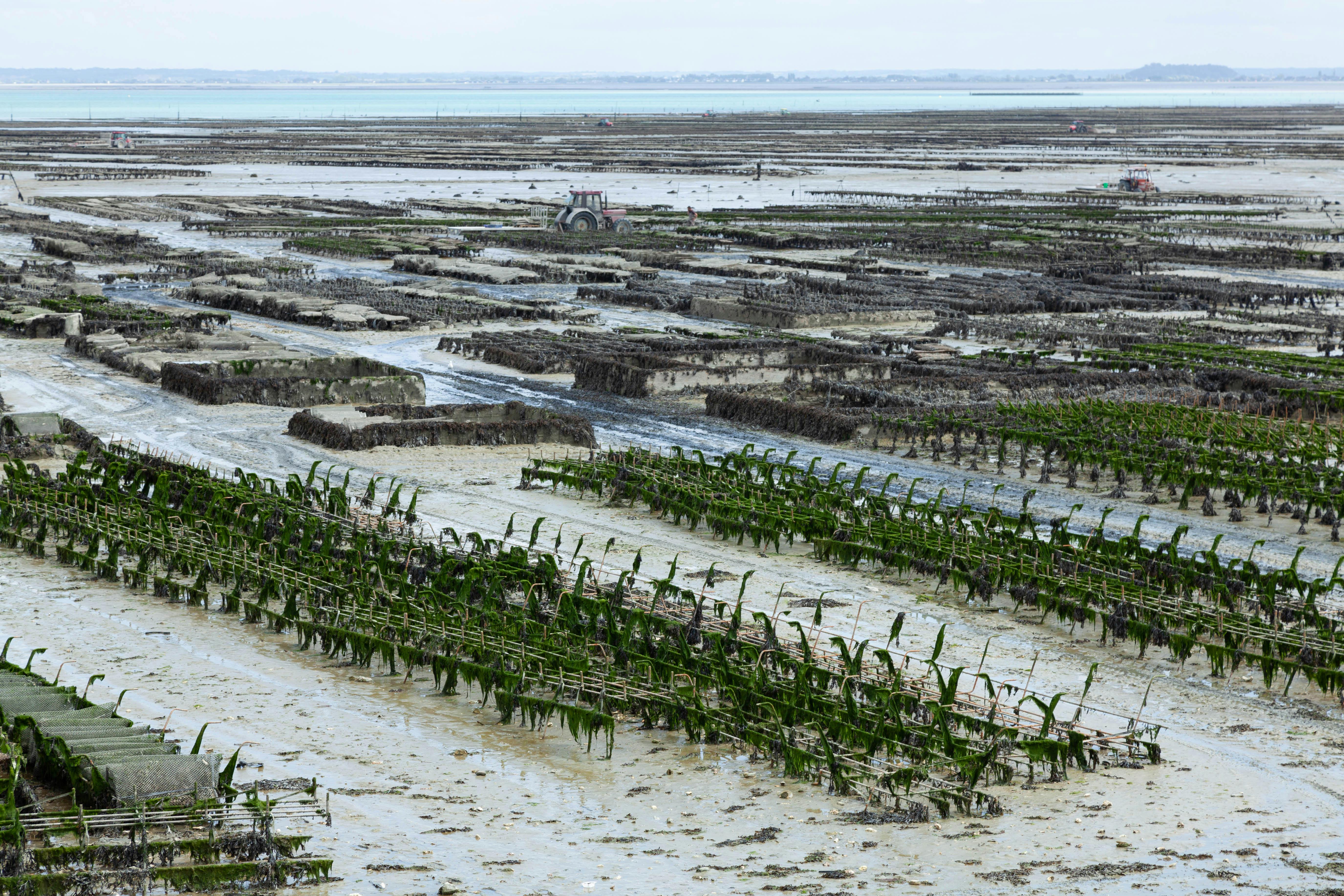
Seaweed comes in different shapes and sizes. There are over 12,000 species of seaweed, such as kelp, red seaweeds, and many others. This seaweed can grow as fast as 60 cm a day, which is more than the average growth rate of most trees on land that are used for paper making. They can grow in saltwater and freshwater, making them incredibly resilient and easy to work with in cultivation hubs in order to grow them. Today, Asia is the leading continent in seaweed cultivation, producing up to 35 million tonnes annually, and most of these are edible and safely used for packaging.

It is clear that seaweed packaging is fighting the dominance of plastic packaging; however, it is also fighting the rise in paper packaging, as paper is an unsustainable source at the current rate of these fast production industries. With around 4 billion trees cut down for paper production, the load of paper packaging puts a lot of pressure on deforestation, which takes place in areas of land that are essential for many ecosystems to thrive in. The production of paper also requires huge amounts of water for paper pulp. Thus, seaweed packaging puts less pressure on the paper packaging industry if done correctly. In this context, seaweed grows in water, so it doesn’t compete with farmland and deforestation and requires much less water to extract its components for packaging production. With it being edible as well, the waste component is also reduced a lot, which is why it is a better solution than plastic or paper packaging in the long term and much for circular in nature for today’s economy.
Seaweed packaging in real world
Food
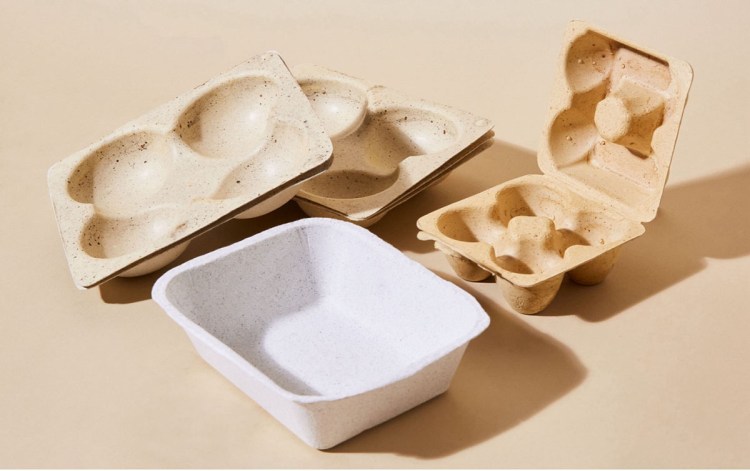
Companies such as Evoware have developed numerous products made from seaweed, including sachets for dry food storage, sachets for liquid food, and wraps for food items like burgers and sandwiches. Sodium alginate from seaweeds allowed innovators to create a gel-like product that was able to contain liquid substances. This was innovated by Notpla, an organisation that is motivated to produce innovative packaging methods to reduce plastic consumption. Seaweed films can be used to store liquids, and solid food items safely and be eaten as well. It is slowly entering the takeaways and retail food business as the standards are meeting customer satisfaction. This makes it a strong candidate for a circular economy as waste from the food industry is a challenging obstacle to remove.
Cosmetics
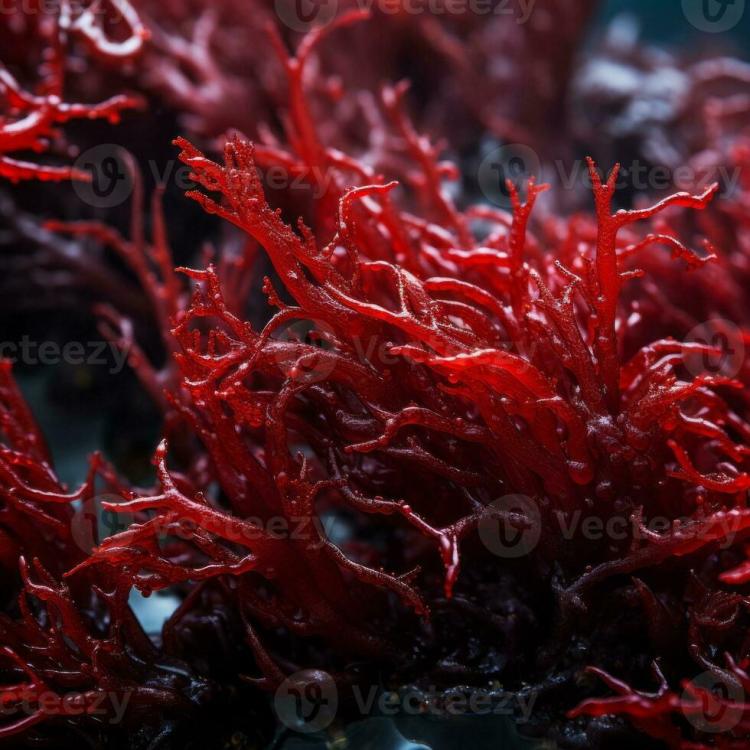
The cosmetics industry is a major contributor to single‑use waste, with billions of sachets, bottles, wrappers, and containers discarded each year. As demand for sustainable materials rises, seaweed packaging has emerged as a natural alternative. Just as in food packaging, consumers feel reassured by seaweed because it is edible, safe, and biodegradable. This emotional appeal makes seaweed packaging especially attractive for beauty products, where safety and purity are central to consumer trust. What makes seaweed packaging unique in cosmetics is that the material itself carries skin‑friendly properties. Extracts from red seaweed, particularly alginate and carrageenan, are rich in moisturizing and texturing compounds. When used in packaging, these same biopolymers not only protect and preserve the product but also align with the wellness values of the beauty industry. In other words, the packaging is not just sustainable — it resonates with the product inside by embodying care, hydration, and natural texture.
Shipping
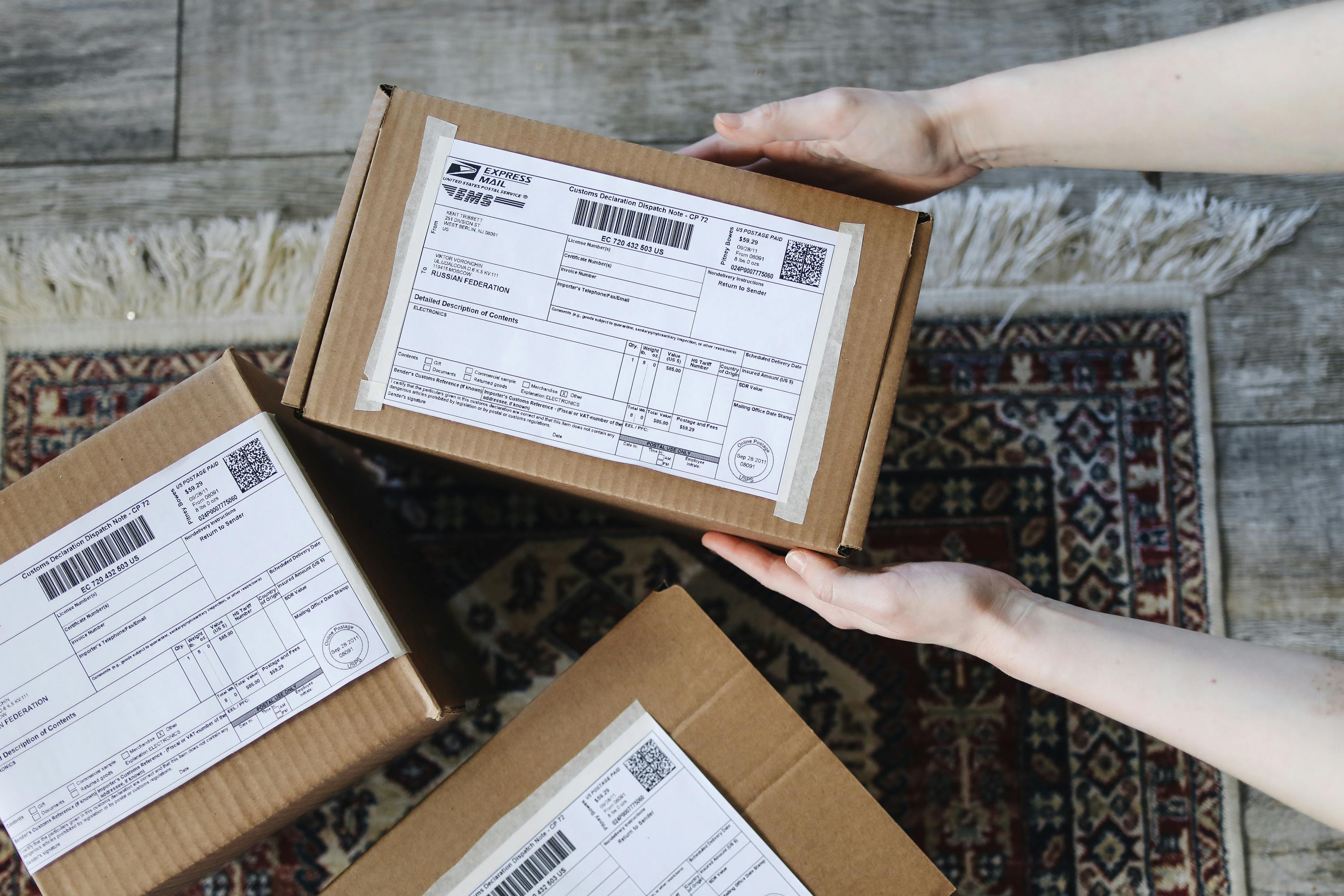
When shipping small‑scale goods to homes and businesses, cardboard is often the material of choice, especially for larger items such as beds, tables, and other bulky products. Yet seaweed packaging is steadily gaining recognition in this field for several important reasons. Unlike cardboard, which requires industrial composting or recycling facilities that are not accessible in everyday households, seaweed packaging can biodegrade naturally in ordinary soil.
A common misconception is that cardboard is always made from recycled paper. In reality, many countries and organizations continue to produce cardboard directly from wood pulp, which contributes to deforestation and intensifies competition for farmland. This reliance on terrestrial resources makes cardboard a burden on land ecosystems. Seaweed, by contrast, is abundant in the oceans, requires no deforestation, and can be processed efficiently into materials for shipping. Once discarded, seaweed packaging decomposes quickly, releasing nutrients that enrich the soil and support natural cycles.
Where it’s missing – Industry gaps
Heavy‑duty packaging → blended solution/nutrients
The main key components of heavy-duty packaging are usually durability and strength. These components are usually available in industrial plastics as they have polyethylene and polypropylene, which are polymers that have high melting points and strong intermolecular bonds that give them strength and durability and making plastic so indestructible and high tensile strength. Seaweed also has a similar polymeric structure, as they have naturally built polymers such as polysaccharides (alginate, carrageenan, fucoidan). These compounds share a polymeric structure but are more brittle under rough handling, which limits their use in heavy‑load packaging.

Although seaweed films alone may lack the toughness required for heavy‑duty shipping, they can still play a valuable role when embedded in small amounts within traditional plastic polymers. By blending seaweed polysaccharides with polyethylene or polypropylene, packaging materials gain improved flexibility and sturdiness, while also carrying the promise of a lighter environmental footprint. Once these composite materials are discarded, the seaweed fragments accelerate natural degradation in soil and landfill environments. In coastal landfills, this breakdown not only reduces the persistence of plastics but also releases organic nutrients from the seaweed. Over time, these biodegradable inclusions can enrich the surrounding ecosystem, offering micro‑habitats where small coastal creatures may find shelter among the remnants of packaging. This transforms industrial plastics into materials that serve both commerce and nature, bridging the gap between durability and ecological responsibility.
Construction → composite films/coatings
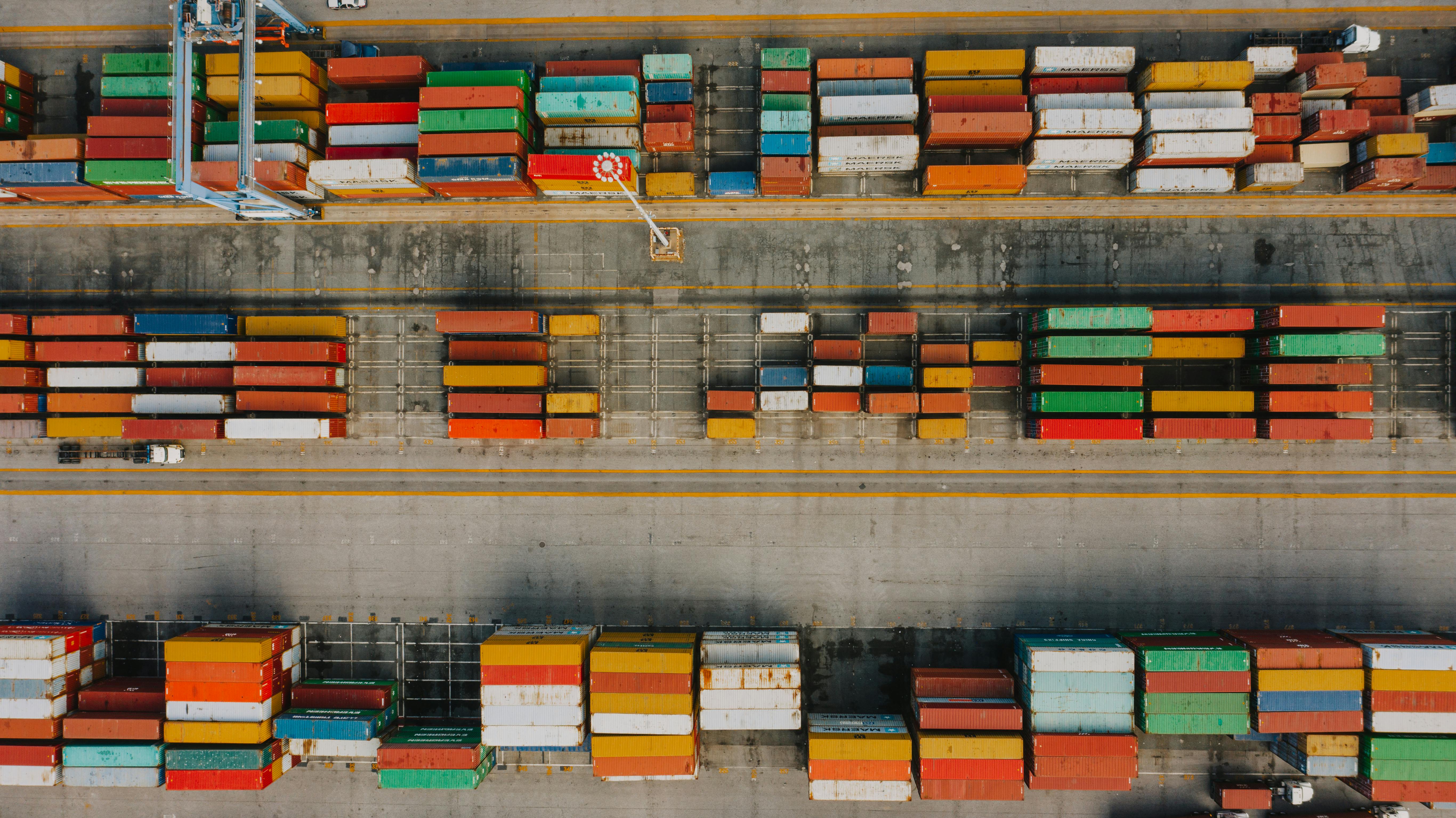
Plastics dominate construction packaging because they are durable, strong, and weather‑resistant. Materials such as polyethylene and polypropylene are hydrophobic and resist degradation in wet or humid conditions, so they can remain intact outdoors for days or longer while construction work is underway. This makes them ideal for wrapping, protecting, and transporting building supplies. Seaweed packaging, by contrast, is naturally hydrophilic (absorbs water) and degrades faster. While this is a strength for reducing waste, it limits its use in long‑term or outdoor applications. If exposed to rain or stored for extended periods, seaweed packaging can weaken and break down more quickly than plastic.
However, this does not mean it cannot be used for packaging heavy building materials. Composite Films can be made out of seaweeds which are processed seaweeds, which are mixed with starch and cellulose to improve water resistance and durability. By using temporary seaweed packaging for small construction materials such as tiles and glass and observing how they hold up then the reliability of seaweeds in construction packaging can increase. This approach is especially valuable because construction sites often suffer soil disturbance from digging, dredging, and other activities. When discarded, seaweed packaging can biodegrade into organic matter, helping to enrich the soil and support small organisms, thereby adding an ecological benefit alongside its role in reducing plastic waste.
Electronics → inner liners/antistatic additives

Industrial equipment like conveyor belts, pumps, valves, motors, and compressor machines used in factories are usually packed in bubble wraps, corrugated boards, plastic or steel boxes, and this is mainly because these materials can be considerably cheaper and can provide great corrosion protection, which seaweed packaging might not do due to their ability to absorb moisture. Electronic equipment usually needs packaging material that is antistatic, and seaweed films usually don’t have the capability to offer this requirement. Across constant heat in the sea, seaweed wraps have the tendency to degrade or swell under warm or humid conditions, which can definitely affect electronics, as direct sunlight and warm temperatures on them can destroy main circuit boards.
When dealing with these sorts of conditions, packaging material can often be layered with seaweed films in the inner layers, which provides more flexibility and biodegradability while having the outer layer remain as plastic or metal for better durability and less exposure to the weather. On the other hand, full seaweed packaging can be used if a hydrophobic coating is applied, such as wax or biobased coating, to keep it from absorbing moisture or getting hot. These solutions would provide industrial packaging material with more biodegradable security and circularity.
How individuals can make a difference
Even though seaweed packaging is not there yet to replace industrial plastics, using seaweed materials in packaging is a brilliant idea and a very needed one. This responsibility falls upon the common people, as this sort of packaging is mainly being used only in the more niche areas like home shipments, plastic bags, and cosmetics.
Ethical sourcing

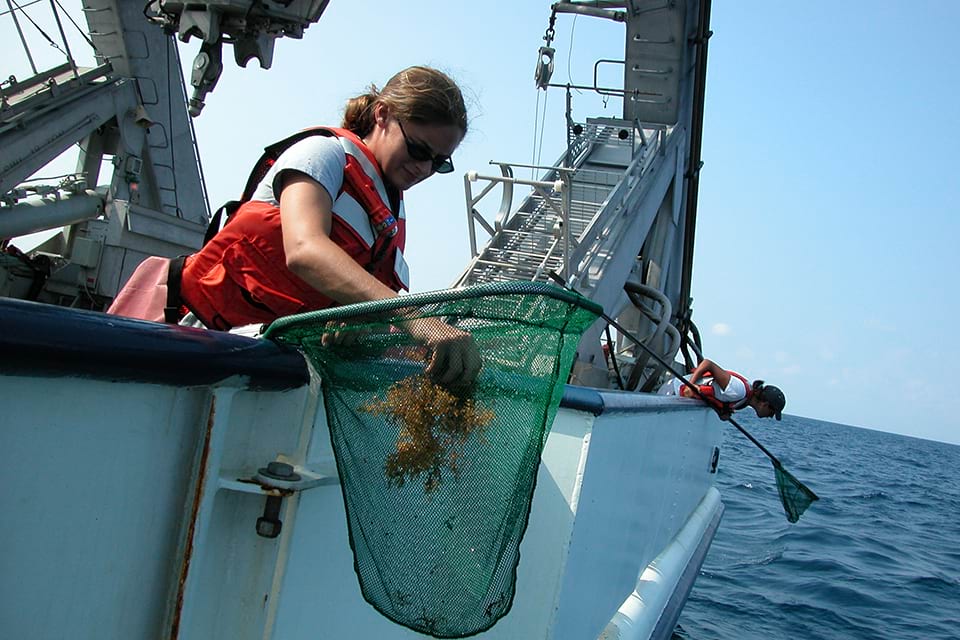
Seaweed represents an important algal system within coastal oceans, serving as a habitat for diverse marine organisms and contributing significantly to oxygen production. Retrieving seaweed from boats is relatively straightforward, as it can be collected using fishing nets or by hand, then stored, dried, and cut into pieces for processing. To ensure sustainable harvesting, collection should prioritise low‑biodiversity areas such as floating Sargassum mats, especially where episodic overgrowth can contribute to harmful algal blooms, thereby reducing pressure on ecologically sensitive habitats like kelp forests and seagrass meadows.
This approach also avoids biodiversity hotspots such as kelp forests, which support complex ecosystems of otters, lobsters, sea urchins, and numerous smaller organisms. Overharvesting in these habitats poses serious ecological risks, even though kelp itself is highly valuable for packaging applications. By prioritizing low‑impact harvesting zones, seaweed can be ethically sourced for packaging while maintaining ecological balance. In doing so, the practice supports the principles of a circular economy, where resource use is regenerative rather than extractive.
Raising awareness
Social media is a powerful channel for elevating emerging sustainability topics to a global audience. Sharing well‑crafted content on seaweed packaging, natural polymers, and composting educates viewers about material properties, appropriate end‑of‑life practices, and the benefits of choosing biodegradable alternatives. Clear, evidence‑based posts and short instructional videos can demystify disposal methods and encourage consumers to preferentially purchase products packaged in seaweed‑based materials.
At the local level, digital organising can translate into concrete action: residents can start or sign petitions, request municipal pilot programmes, and press local retailers to trial seaweed packaging. Such community‑driven initiatives are particularly effective in tightly knit areas, where coordinated advocacy, public demonstrations, and local trials quickly build trust and acceptance. By combining online awareness with grassroots engagement, communities can accelerate demand, influence policy, and create tangible opportunities for small businesses and circular local economies.
Consumer Choice
Individuals can actively choose the type of packaging they wish to support when sustainable alternatives are readily available. At present, seaweed packaging is primarily offered by small businesses, as it remains a relatively unfamiliar concept to much of the public. By consciously purchasing products packaged in seaweed materials, consumers not only help these businesses grow but also contribute to increasing future demand.
This collective choice is powerful: when the public consistently favors sustainable packaging, market demand shifts, compelling larger companies to adapt and integrate eco‑friendly solutions. Beyond economic influence, such consumer behavior also sends a clear signal to policymakers and industry leaders that investment in biodegradable packaging is both viable and necessary. In this way, individual decisions extend beyond personal consumption — they become catalysts for systemic change, driving innovation, scaling production, and accelerating the transition toward a circular economy.

Conclusion
Seaweed packaging is not yet capable of fully replacing industrial plastics in heavy‑duty shipping, construction, or electronics, but its potential is significant. While current limitations in strength and water resistance restrict large‑scale use, innovations such as composite films and blended polymers show promise in bridging these gaps. Equally important is the role of individuals. By choosing seaweed‑based products, supporting small businesses, and raising awareness, consumers can drive demand and encourage larger companies and policymakers to invest in biodegradable alternatives.
The issue with a society reliant solely on plastic is that it eventually accumulates in landfills, resists decomposition, and threatens life on this planet. In contrast, seaweed packaging demonstrates how waste can be transformed into value, naturally biodegrading and enriching ecosystems. It serves as a renewable material with clear potential, even as current industrial limitations remain. Ultimately, seaweed packaging is more than a substitute for plastic — it embodies circularity, offering materials that regenerate ecosystems rather than burden them.
 Planet Rescue 101