

The fashion industry is expected to generate over 920 billion dollars in revenue in 2025, making it one of the top industries in attracting consumers from all over the world. The rate at which consumerism is increasing is causing a devastating effect on the release of microplastics in our oceans. This article explores how fashion fuels microplastic pollution, the ecological consequences for marine life, and how circular economy strategies can help mitigate the damage. From design to disposal, it’s time to rethink the way we wear — and the impact it leaves behind.
What are microplastics?
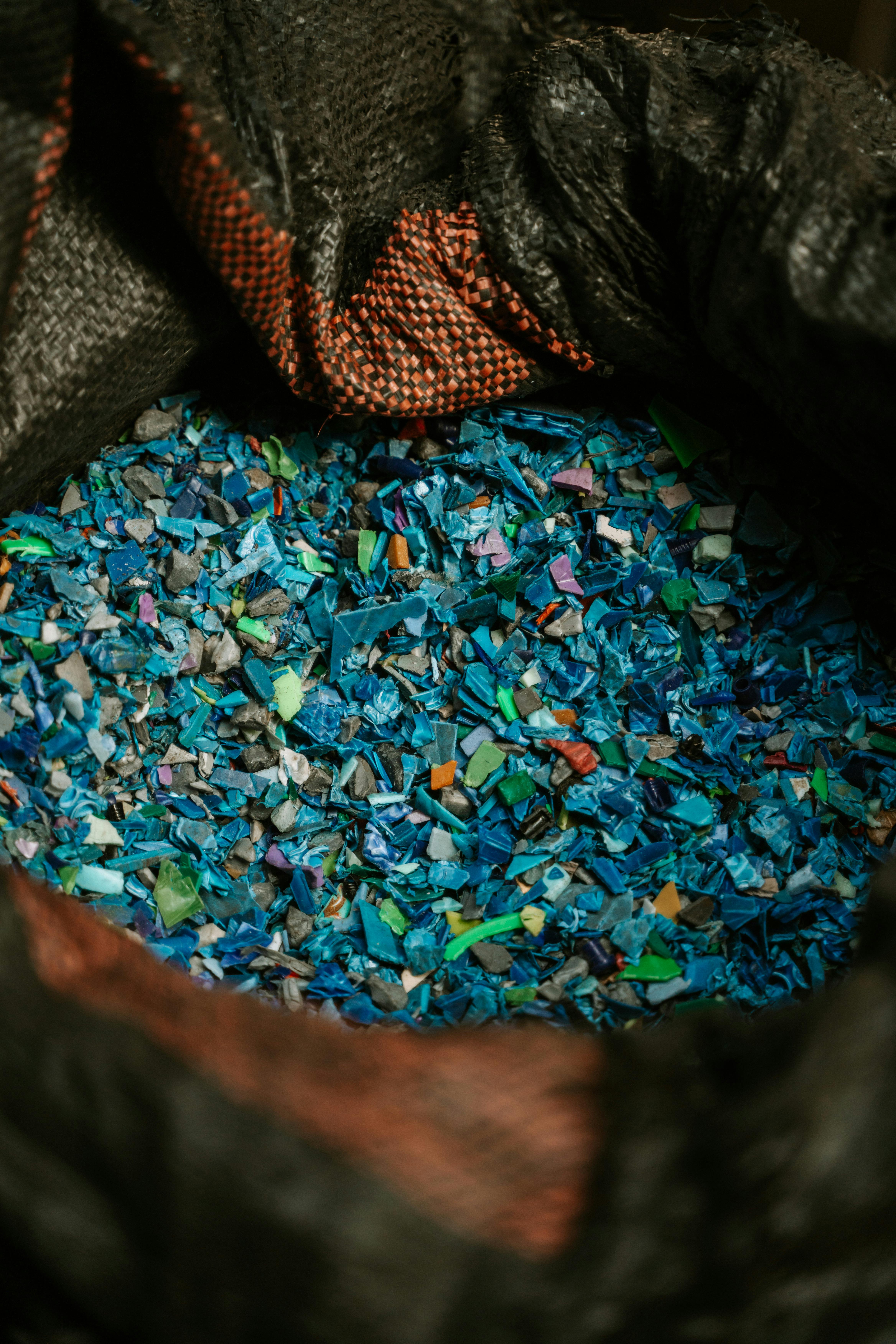
Microplastics are tiny fragments of plastic, ranging from just 1 nanometer to 5 millimeters in size. They form when larger plastic items break down over time — a process accelerated by environmental exposure and human activity. While most people associate plastic with packaging or bottles, few realize that clothing is one of its most pervasive forms.
Synthetic fabrics, such as polyester, nylon, and acrylic, dominate the fashion industry. Though they may not look like plastic, they shed microscopic fibers with every wash. In fact, textiles are responsible for 34.8% of global microplastic production, making fashion a major contributor to this invisible crisis.
Once in the water, these microfibers are ingested by plankton, fish, and shellfish, entering the food chain and threatening marine biodiversity. Microplastics can also absorb toxic chemicals, making them even more hazardous to aquatic life and potentially to humans who consume seafood. As fast fashion accelerates, so does the volume of synthetic clothing — and with it, the scale of microfiber pollution.
Fashion’s role in microplastic release
Petroleum-based material
The fashion industry relies heavily on petroleum-based materials such as polyester, nylon, and elastane — all derived from crude oil. These synthetic fibers are favored for their flexibility, durability, and low cost, often priced at half the cost of natural fibers like cotton. However, their environmental footprint is significant. Throughout the synthetic fiber manufacturing process — including spinning, dyeing, and weaving — microplastics are released into factory wastewater, especially in regions lacking proper filtration systems. Once in use, these garments continue shedding microfibers during every wash. A landmark study revealed that up to 700,000 microfibers can be released in a single laundry cycle, each small enough to bypass wastewater filters and enter rivers, lakes, and oceans.
This cycle of pollution — from fossil fuel extraction to fiber production, consumer use, and disposal — makes petroleum-based textiles a major contributor to global microplastic contamination. As fashion continues to prioritize cost over sustainability, the invisible toll on marine ecosystems and human health grows.
Discarding returned clothes

The fashion industry often prioritizes cost efficiency and speed, disregarding the environmental consequences of discarding materials. When customers return online purchases due to sizing issues, brands may choose to dispose of these items — especially if they’re out of season, damaged, or too inexpensive to justify resale. With the scale of online shopping, this creates a significant landfill burden. Returned items, such as shoes, shirts, and trousers, are frequently not in ideal condition, and companies often lack the time, resources, or infrastructure to ensure proper hygiene or meet the strict standards required for resale.
When fashion items are dumped in landfills, they are often incinerated. However, when synthetic materials are burned at low or ambient temperatures, the process fails to reach full combustion, allowing tiny airborne microplastics to escape through the smoke. These particles can travel long distances and eventually settle into lakes, rivers, and coastal seas. Airborne microplastics can enter the bloodstreams of coastal fish through respiration, causing breathing issues and other health complications. People living near incineration sites are also affected, with growing evidence confirming the presence of microplastics in the air. As noted by a physician at Stanford Medicine, plastic decomposition takes a long time — making its airborne release a persistent and invisible threat.

High-Income demand, Low-Income damage
Most microplastic emission are from high income countries as their per-capita income of plastic consumption is high. The plastic consumption in these countries is managed properly due to their good waste management systems. However, middle income countries often have more mismanaged plastic waste as their plastic consumption grows but not waste management systems. So, countries with high numbers of clothes production like India and Bangladesh often have no means of treating wastewater from clothes with microplastics which can contain dyes, toxins, and dumped in rivers and lakes.
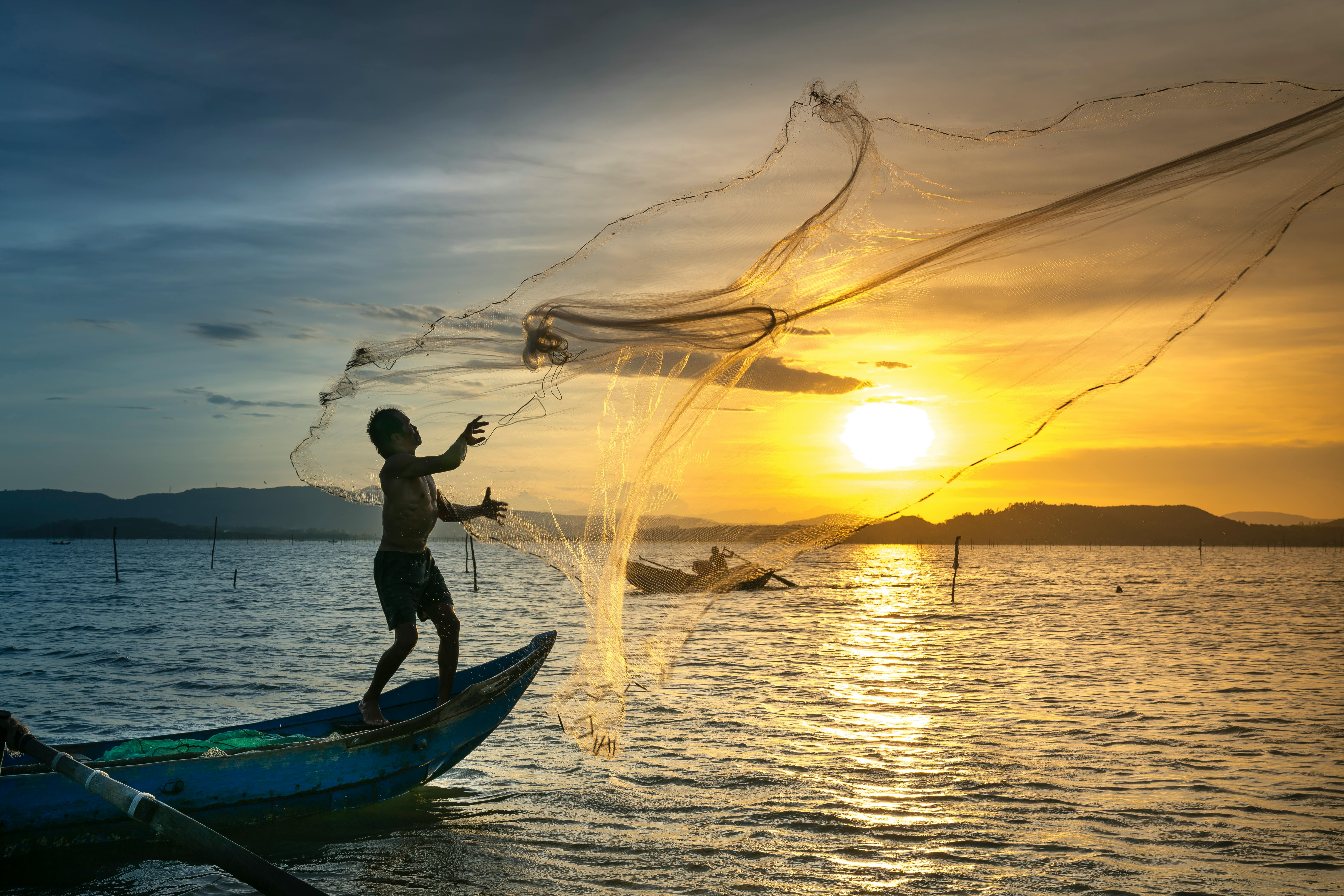
There is a deep imbalance in the fashion industry. Low- and middle-income countries often contribute less to global microplastic emissions, yet they suffer disproportionately from their impacts. Fast fashion brands outsource clothing production to these regions because labor is cheap and environmental regulations are weaker than in wealthier nations. Workers in these factories are frequently exposed to airborne microplastic dust, enduring harsh conditions for the sake of livelihood security. In many low-income countries, people rely heavily on local ecosystems for food, housing, and survival — yet without proper wastewater treatment, microplastics from textile runoff and clothing landfills contaminate drinking water, damage crops, and degrade soil health. This cycle of pollution and vulnerability highlights the urgent need for global accountability and equitable environmental protections in the fashion industry.
How microplastics are impacting the oceans
Ocean currents and the spread of microplastics
Gyres are regions of large ocean circulation, like big whirlpools, and these areas are usually hotspots for the collection of microplastics in the ocean. There are five ocean gyres on a large scale, and the Pacific Ocean gyre is the most well-known for harbouring the Great Pacific Garbage Patch (GPGP), extending about 1.6 million square kilometers. Synthetic fibers shed microplastics, which can be driven by the ocean currents and contribute to the GPGP. Due to the size of microplastics, they are very hard to remove from the ocean, even with cleanups, and keep circulating in the gyres, and can persist with more plastic smog. In the ocean, microplastics often resemble zooplankton, which are microorganisms that are usually consumed by species such as turtles, shrimps, and fish. These animals confuse zooplankton for microplastics, leading them to digest microplastics with the harmful toxins.

Carcinogens in microplastics
Some of these chemicals are carcinogens. Microplastics released from synthetic clothing often carry toxic additives like chromium, lead, and mercury — chemicals used in dyes, finishes, and fiber production. These substances are known carcinogens and can leach into marine environments once microplastics reach the ocean.
In countries like Bangladesh, Indonesia, and Thailand, where seafood is a dietary staple, this poses a serious health risk. Fish exposed to microplastics can develop organ damage, inflammation, and reproductive issues. When humans consume these fish, they may also ingest trace amounts of carcinogens, raising concerns about long-term exposure. Thus, the fashion industry’s reliance on petroleum-based textiles not only pollutes the ocean — it also introduces invisible threats to food safety and public health.
Microplastics in the food Chain: Bioaccumulation
Bioaccumulation is the gradual accumulation of inorganic materials, such as microplastics, within organisms. One of the most critical consequences of bioaccumulation is its interference with nutrient cycling — the natural movement of essential elements like nitrogen and carbon through marine ecosystems. Microplastics disrupt plankton productivity and microbial activity, which are vital to recycling nutrients and supporting life at every level of the ocean.

Plankton, such as Zooplankton, form the foundation of the oceanic food chain, serving as a primary food source for many marine species. When these tiny organisms ingest microplastics — which they often mistake for food — the contamination moves up the food web. As predators consume zooplankton, they too absorb microplastics, leading to bioaccumulation and potential toxicity at higher trophic levels. With bioaccumulation at its maximum, it can collapse whole food chains through small progress such as a reduction in population from fertility chances, interferences in nutrient cycling, and plankton productivity. This widespread ingestion disrupts the delicate balance of marine ecosystems, threatening biodiversity and the stability of the entire oceanic food chain.
Evidence of fashion driving the increase in microplastics in our oceans
Case study 1: Atacama Desert
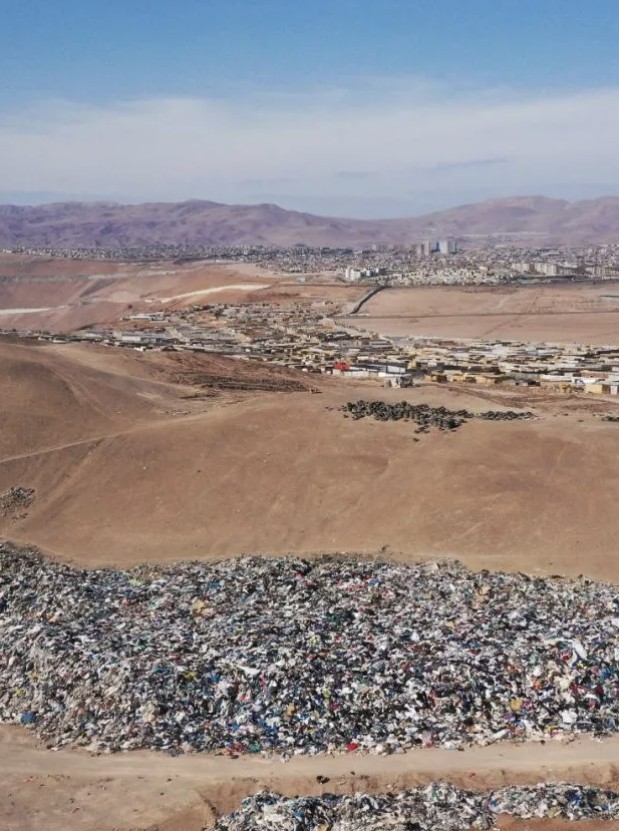
The Atacama Desert in northern Chile has become one of the world’s most visible examples of how fashion waste impacts the ocean, as it can be seen from space. Stretching to the Pacific coast, this vast desert receives tens of thousands of tons of discarded clothing — often cheap, unsold items from China, the U.S., and South Korea. Known as the terrestrial version of the Great Pacific Garbage Patch, the site holds an estimated 11,000 to 59,000 tons of textile waste. Its dry, smooth terrain and strong coastal winds make it easy for airborne microplastics and chemical pollutants to travel from landfill to sea, accelerating ocean contamination from land-based fashion dumping.
Case study 2: Buriganga River
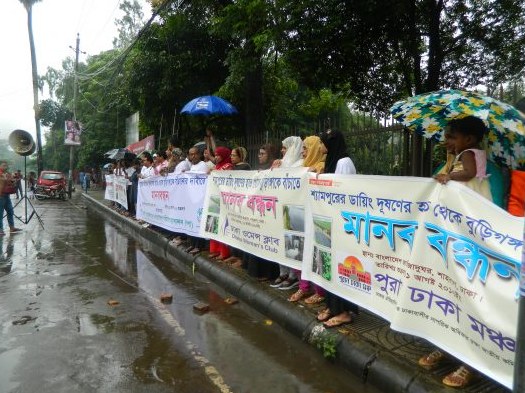
Bangladesh is the world’s second-largest exporter of garments after China, and this intensive industrial activity has contributed to making the Buriganga River in Dhaka one of the most polluted rivers in South Asia. The river is contaminated by a mixture of textile waste, plastic debris, household and municipal waste, and heavy metals. Scientific water-quality analyses show clear evidence of microplastics throughout the river system. These microplastics enter the water mainly through city sewers and accumulate in sediments, surface water, and aquatic organisms such as crabs, shellfish, and fish. The downstream regions, which act as biological hotspots, contain the highest concentrations, and this buildup has been linked to increased fish mortality caused by microplastic poisoning. The regions most affected on the Buriganga riverbank are Hazaribagh, Shyampur, and Kamrangirchar. In addition, numerous informal plastic-recycling facilities and textile industries situated along the riverbanks further intensify the microplastic load, turning the area into a major pollution hotspot.
Simple circular solutions
The scale of fashion’s microplastic footprint is alarming, yet it also highlights the urgent need for change. Fortunately, practical strategies are already within reach to slow the tide of pollution.
Shop smarter
Choosing durable, long-lasting item
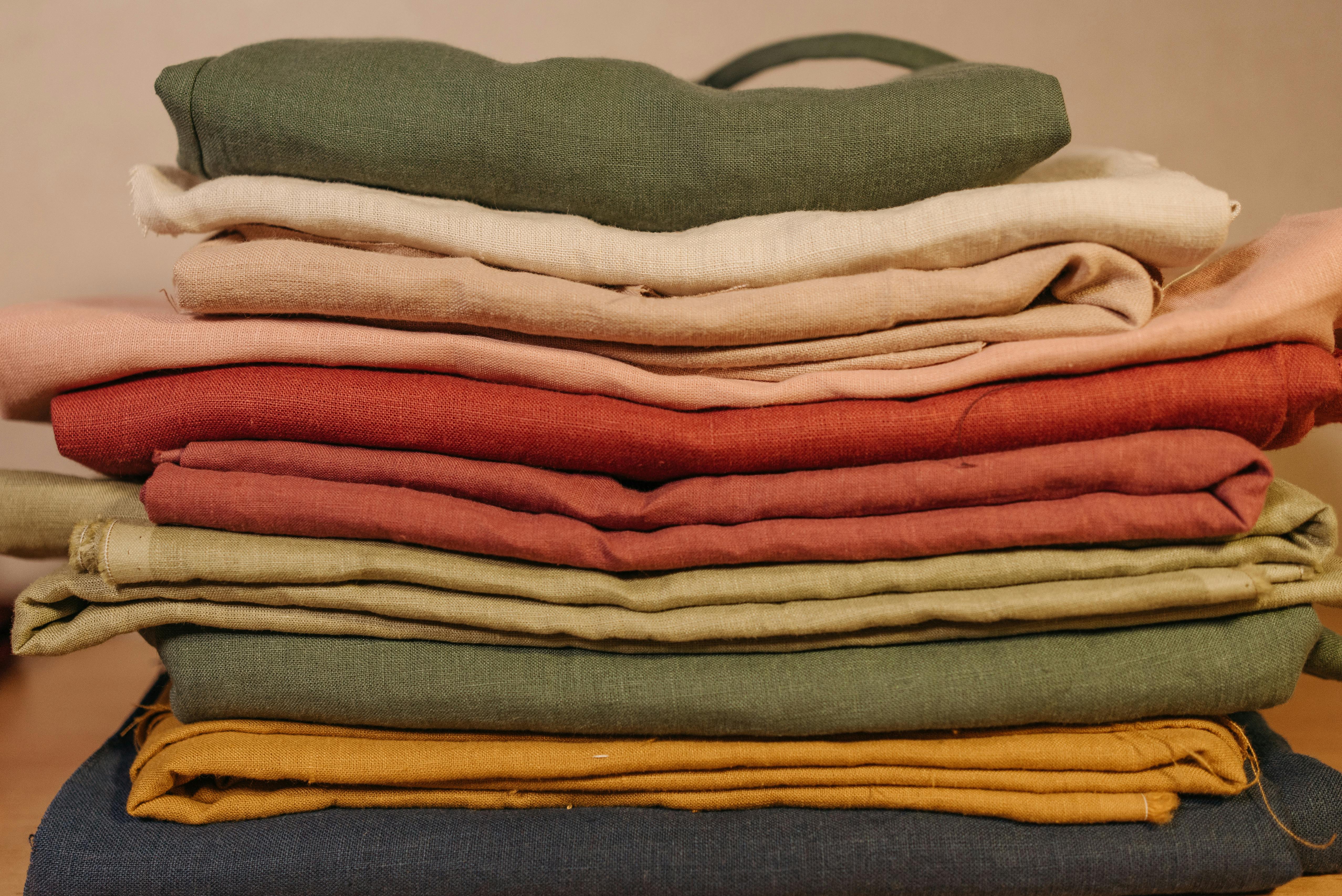
Durable and long-lasting clothing is usually on the higher price, however, in the long term, it is cheaper than buying cheap clothing that shows wear and tear after two or three washes. Cheap clothing is more likely to release dyes and microplastics than durable clothing that is often made from biodegradable substances such as cotton and linen.
Reduce online shopping returns
As explained in the “Discarding returned clothes” section, the consequences of online shopping are an expanding business idea, and often, clothes shopping for different individuals is not as expected. Either the clothes won’t fit, are damaged, or the correct garment is not being delivered, which results in clothes being returned. Individuals can choose to reduce online shopping and choose to shop in person in local shops. This benefits the individual as it increases the excitement for going outside the house, getting the correct fitted dress, avoiding damaged clothes, and wasting money on delivery fees. In the bigger picture, it reduces packaging waste and carbon emissions from shipping. Physically choosing to go view clothes helps people choose more durable and eco-friendly clothing, as they are more comfortable when worn than clothes that are not. microplastics. This promotes a long-term circular economy, benefiting the production of fewer microplastic textiles.
Buy second-hand clothing
Choosing to buy second-hand clothing is a smart decision, as these items are often significantly cheaper than brand-new clothes. Charity shops and thrift stores usually check and ensure that the clothes are clean and hygienic. Many brand-new or barely worn items also end up in charity shops because people either never wore them or cannot return them to the original sellers due to minor defects. When individuals buy from charity shops, these organizations generate revenue that can be reinvested in community programs or environmental initiatives. Buying second-hand not only saves money but also helps reduce textile waste and microplastic pollution.
Sustainable wardrobe habits
Washing
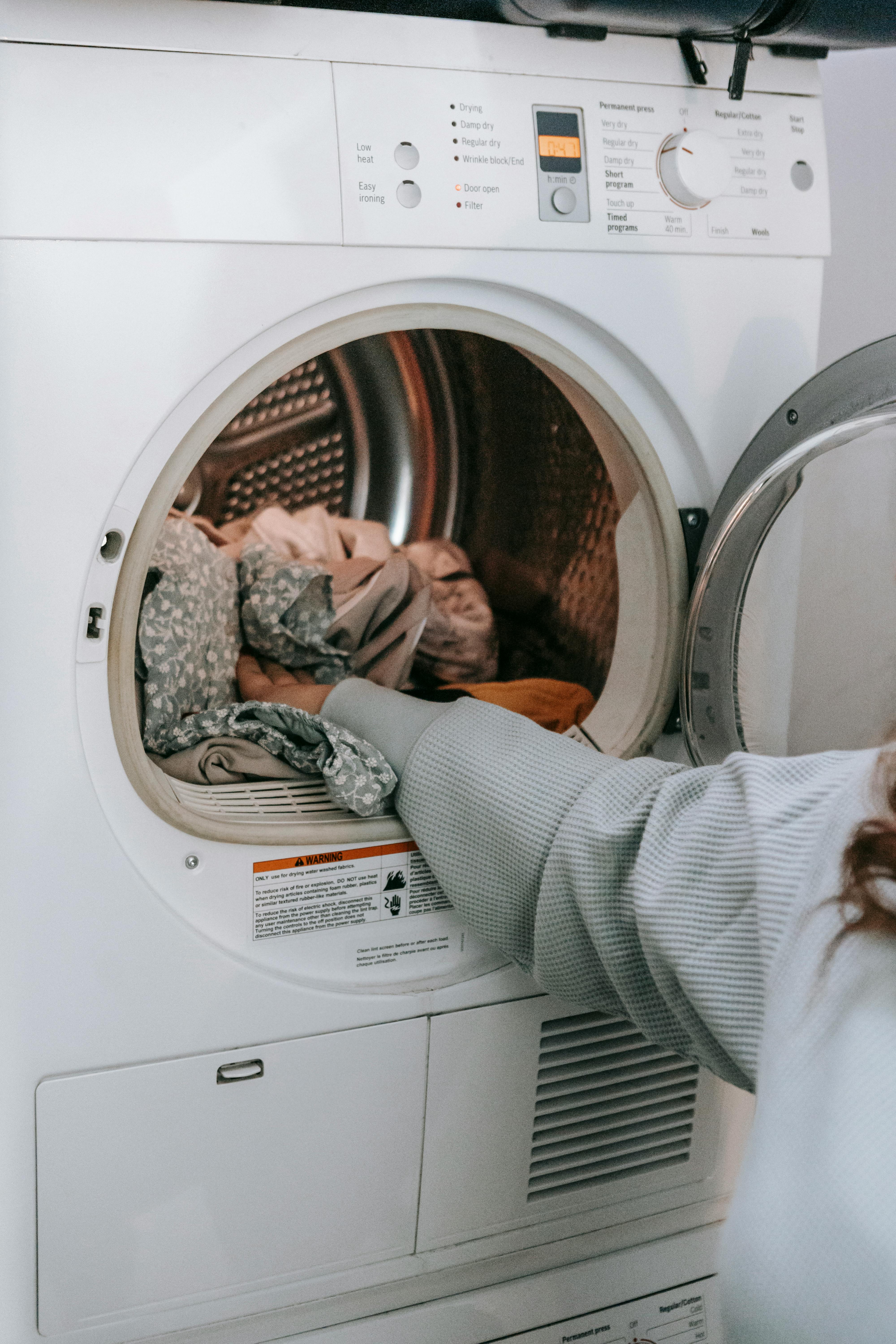
When handling plastics containing microplastics, people can always opt to wash clothes less frequently and only wash for full loads, as fewer microplastics would be shed when done in this system. Laundry bags containing materials that catch microfibres are effective and can be used in a regular washing machine to reduce microplastic release into sewage. This is useful as many people already own clothes with microfibers and would want to reduce their microplastic emissions.
Repairing, reusing, upcycling
An alternative to buying new clothes when the current clothes are damaged is to repair them using basic stitching or going to the tailor to reassemble the clothing. This will potentially help save money and reduce textile waste in the long term. The continuation of using the same clothing encourages people to become more creative and a will to upcycle old clothing with new accessories. Overall, a very sustainable lifestyle is being supported when practicing this.
Donating
Many clothes people buy are rarely worn or are only used for specific occasions. Many Americans buy 53 new items every year, underlining the issue. Overconsumption in fashion contributes heavily to textile waste and microplastic pollution. Donating old or lightly used clothes to charity organizations or giving them to others who need them is a better way to extend the life of garments and reduce their environmental impact. Donating gives people a different satisfaction of wanting to help people somewhere on this planet and increases a closer bond to the community.
Community impact
Citizen science
Citizen science is when people in a community volunteer to help restore for a good cause. Helping in beach cleanup, helping collect visible microplastics and clothing from coastal sites in each individual’s free time, helps a lot. This increases a sense of community, helps people find friends and socialise, as in many societies, people are detached from the real world.
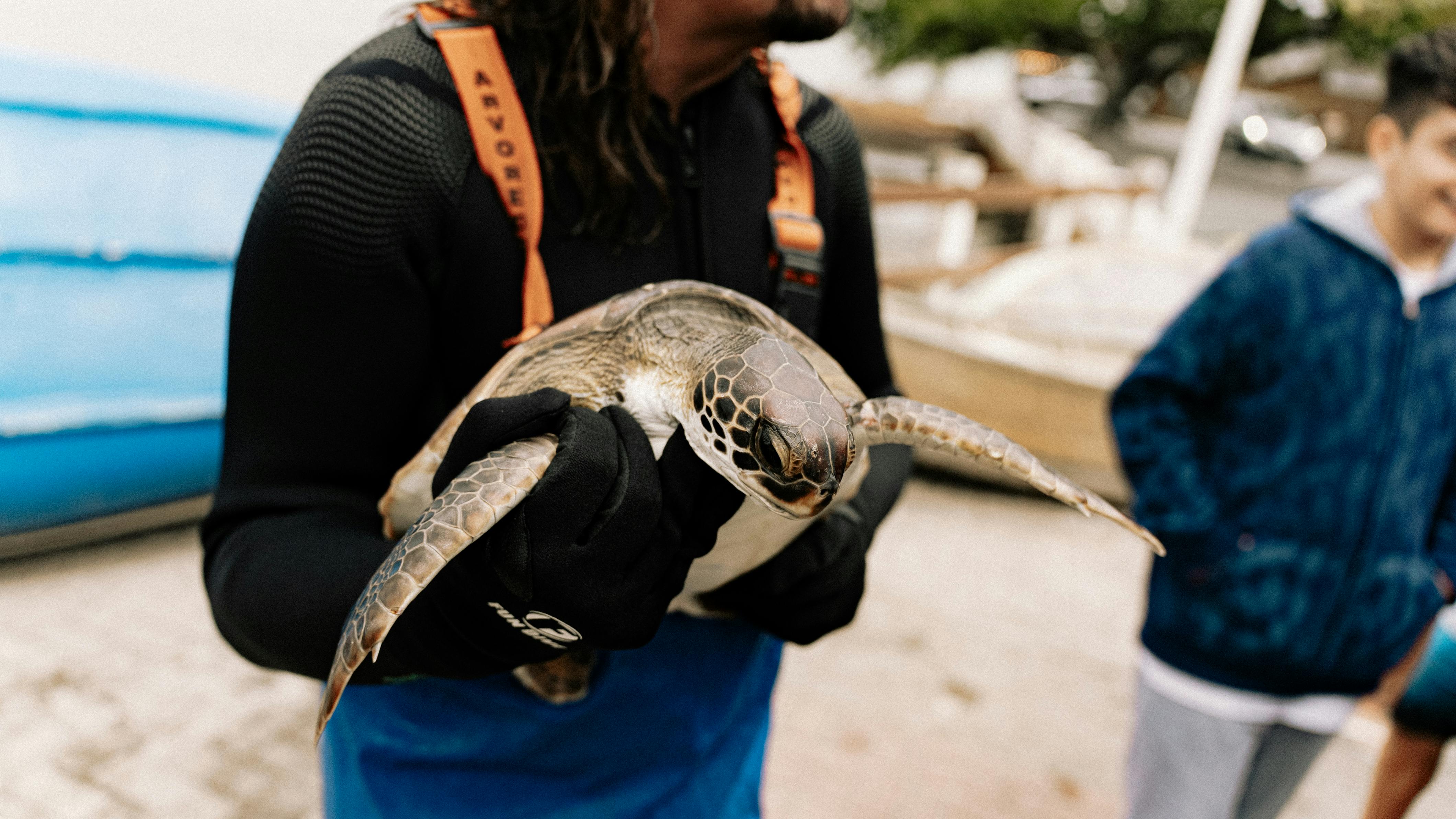
Individuals can also help indirectly by assisting injured marine life affected by plastic or microplastic pollution. If people encounter such animals, they can contact wildlife rescue organizations, marine biologists, or veterinarians who have the expertise to treat and rehabilitate them.
Spread awareness in simple ways
Small actions can have a significant impact on reducing microplastic pollution. Individuals can inform friends and family about the environmental effects of microplastics. Sharing news, articles, or posts on social media can reach a wide audience, as most people today rely on these platforms for information. In addition, teachers, scientists, and other knowledgeable individuals can educate schools and local communities, promoting eco-friendly lifestyles that protect both coastal ecosystems and human health.
Conclusion
Fashion is a powerful driver of microplastic pollution, with its impacts spanning from production and consumer habits to waste management and ocean health. Synthetic fibers shed microplastics at every stage, entering waterways, accumulating in marine ecosystems, and disrupting food chains, while low- and middle-income countries often bear the brunt of the environmental and social consequences. Yet, solutions exist at both individual and systemic levels. Circular strategies such as buying durable or second-hand clothing, repairing and reusing garments, reducing unnecessary online shopping, and raising awareness can help slow the flow of microplastics into oceans. By adopting more mindful consumption habits and supporting sustainable practices, individuals and communities can play a meaningful role in protecting marine life, reducing pollution, and promoting a healthier, more responsible fashion industry.
 Planet Rescue 101