
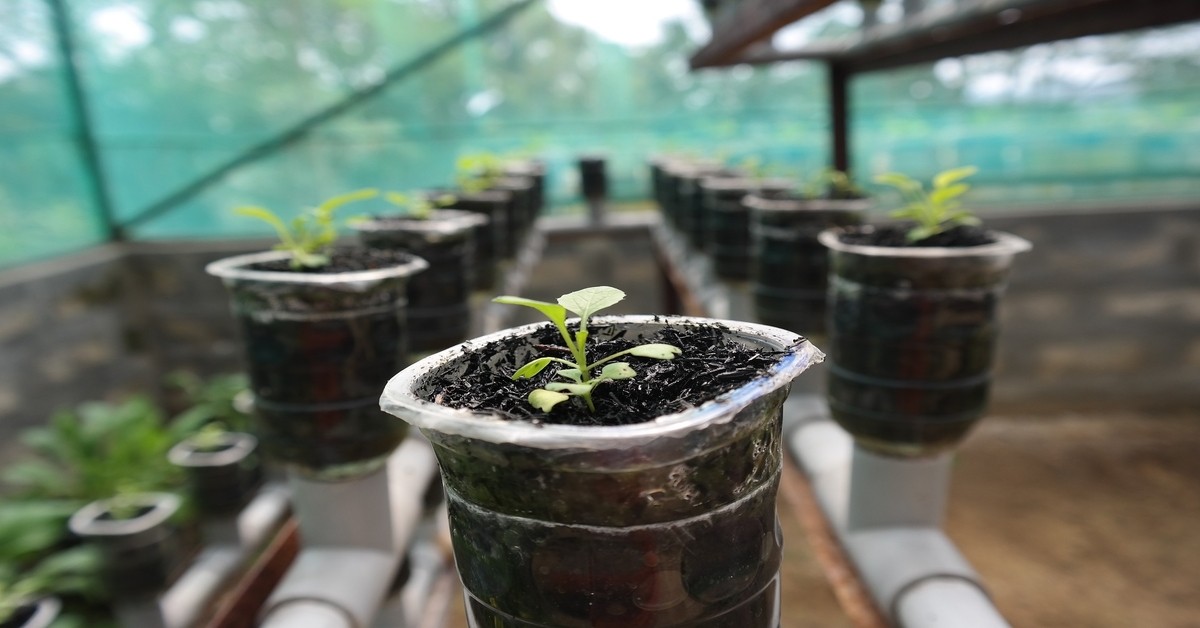
Rooftop farming is an urban agricultural practise that uses limited space and minimal resources. In urban areas where land loss is a pressing issue, it is a practical solution to take advantage of rooftop spaces. With 55% of the world’s population residing in urban areas and 266 million urban households in developed countries involved in crop production, rooftop farming has the potential to develop into a sustainable household production system. Moreover, rooftop farming has also proven to have environmental benefits like reduced carbon emissions by cooling buildings, increased availability of healthy food, and green recreational spaces. The techniques adopted for this agricultural practise vary greatly depending on the architecture, resource availability, and type of crop cultivated. Let us delve deeper to understand the advances and various techniques of rooftop farming.
Techniques of rooftop farming
The four different techniques used for rooftop farming are green roofs, hydroponics, aeroponics, and container gardens.
Green roofs
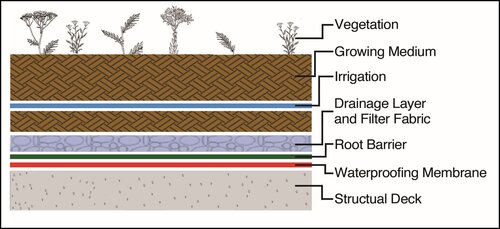
Green roofs are specially engineered roofs that support vegetation with limited human interaction. By selectively growing plants, a green roof is designed to develop into a stable ecosystem on its own. It is an addition to an existing roof where the substrate for plant growth is made up of a delicate growing medium, filter fabric, a drainage system, and a high-quality water-repellent membrane. The financial investments involved in installing a green roof vary depending on the type of roof chosen. However, it is important to note that the initial investment for a green roof is high, irrespective of the type. The three types of green roof systems are extensive, semi-extensive, and intensive green roofs.
Extensive green roofs
Extensive green roofs require minimum maintenance and are lightweight on the roof. The plant substrate is thin where low-growing herbaceous plants like mosses are grown. It requires limited irrigation.
Semi-extensive green roofs
Semi-extensive green roofs contain a thicker layer of growing medium to widen the range of plants that can be grown. This includes small shrubs where proper irrigation and more maintenance are required.
Intensive green roofs
Intensive green roofs can accommodate heavier vegetation like trees, and they are open for human interaction and recreation. It requires a very thick layer of growing medium that needs to be specifically engineered to be installed on the roof. Intensive green roofs require a greater investment compared to extensive and semi-extensive ones.
Hydroponics

Hydroponics is used to grow plants without any soil by supplying them with a nutrient-rich solution, oxygen, and water. This technique works by controlling the environment in which the plants are grown. This is done by adjusting the temperature and ph balance while ensuring that the plants get maximum exposure to water and essential nutrients. The nutrient solutions are customised to the needs of the particular plant that is being cultivated. Following this principle, there are six types of hydroponic farming systems, out of which the wick, deep water culture, and ebb and flow systems are the ideal choices for rooftop farming.
Wick system
The wick system contains four basic components: a grow tray, reservoir, wick, and aeration system. The grow tray is filled with a non-soggy growing medium like vermiculite, where the seedlings are transplanted. The reservoir contains the nutrient solution, which is placed below the grow tray. The air stone of the aeration system stays in the solution, into which the pump outside pushes oxygen. Finally, the wicks act as a bridge that connects the grow tray and the reservoir. The wick system is easier to set up as it is beginner-friendly and is ideal for fast-growing herbs and lettuces.
Deep Water Culture (DWC) system
The Deep Water Culture (DWC) system is similar to the wick system, but there is no soil-like medium for growing the plants. Instead, the plant root is submerged in a 5- gallon hydroponic bucket containing the nutrient solution. Oxygen is pumped into this setup using an aeration system like before. Lightweight plants are best suited for this method.
Ebb and flow system
The ebb and flow system is slightly more complex compared to the other two mentioned above. It is also called the flood and drain system due to its working mechanism, which involves flooding and draining the plants with the nutrient solution repeatedly. Here the plants are placed in a tray, which is flooded and drained using a pump submerged in the solution connected to a timer. This allows the flooding time to be adjusted, and the remaining water is drawn back for use during the next cycle. This method works best for growing vegetables like tomatoes and cucumbers.
Aeroponics
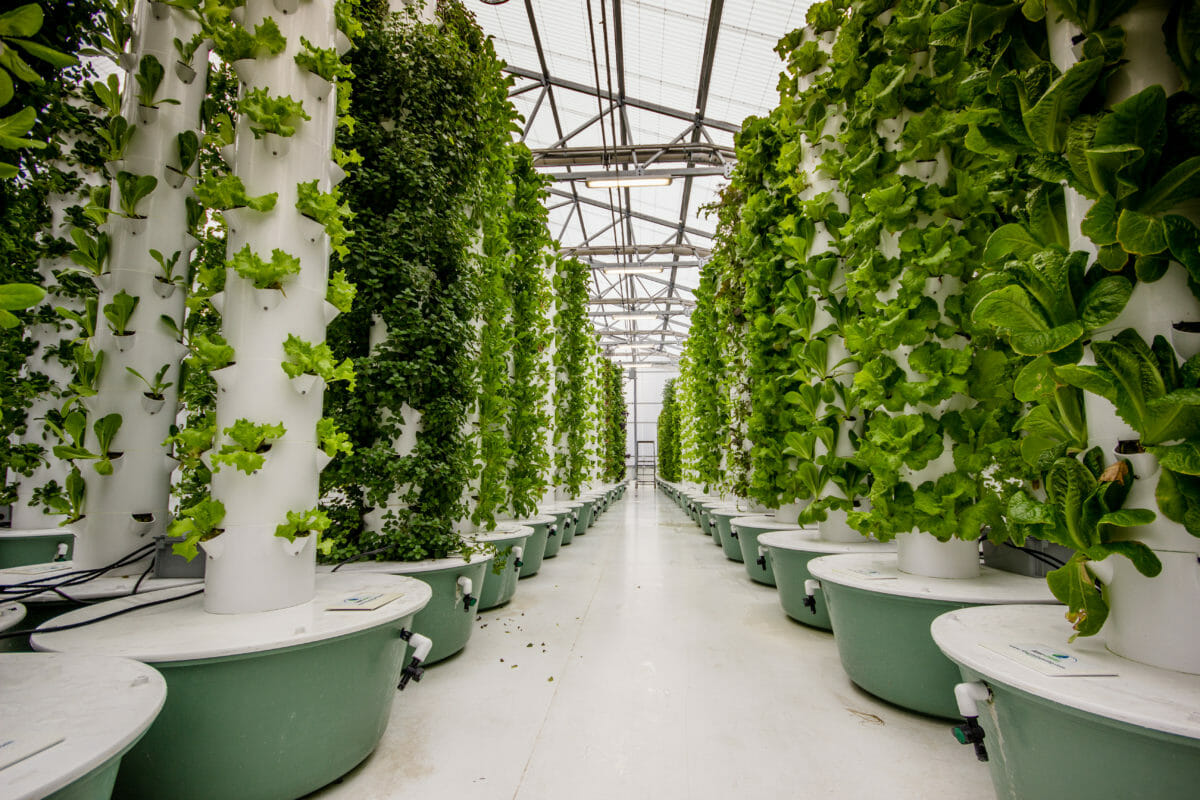
Although similar to hydroponics, in aeroponics, the plant roots are suspended in the air and misted with the nutrient solution. In this technique, the plant roots have better exposure to oxygen, which produces healthier plants, rapid growth, and a better yield. In an aeroponic system, the seeds are grown in a foam-stuffed pot that is exposed to sunlight and nutrient mist on either side. Aeroponics is extremely water efficient due to the absence of a growing medium and eliminates any drainage issues. Moreover, the nutrients are completely utilised by the plants, as it is a closed-loop system that can be infinitely recycled. Due to their minimalist nature, aeroponic systems are a better rooftop farming option than hydroponic systems. However, the initial cost of set-up is much higher for aeroponics compared to hydroponics.
Container gardens
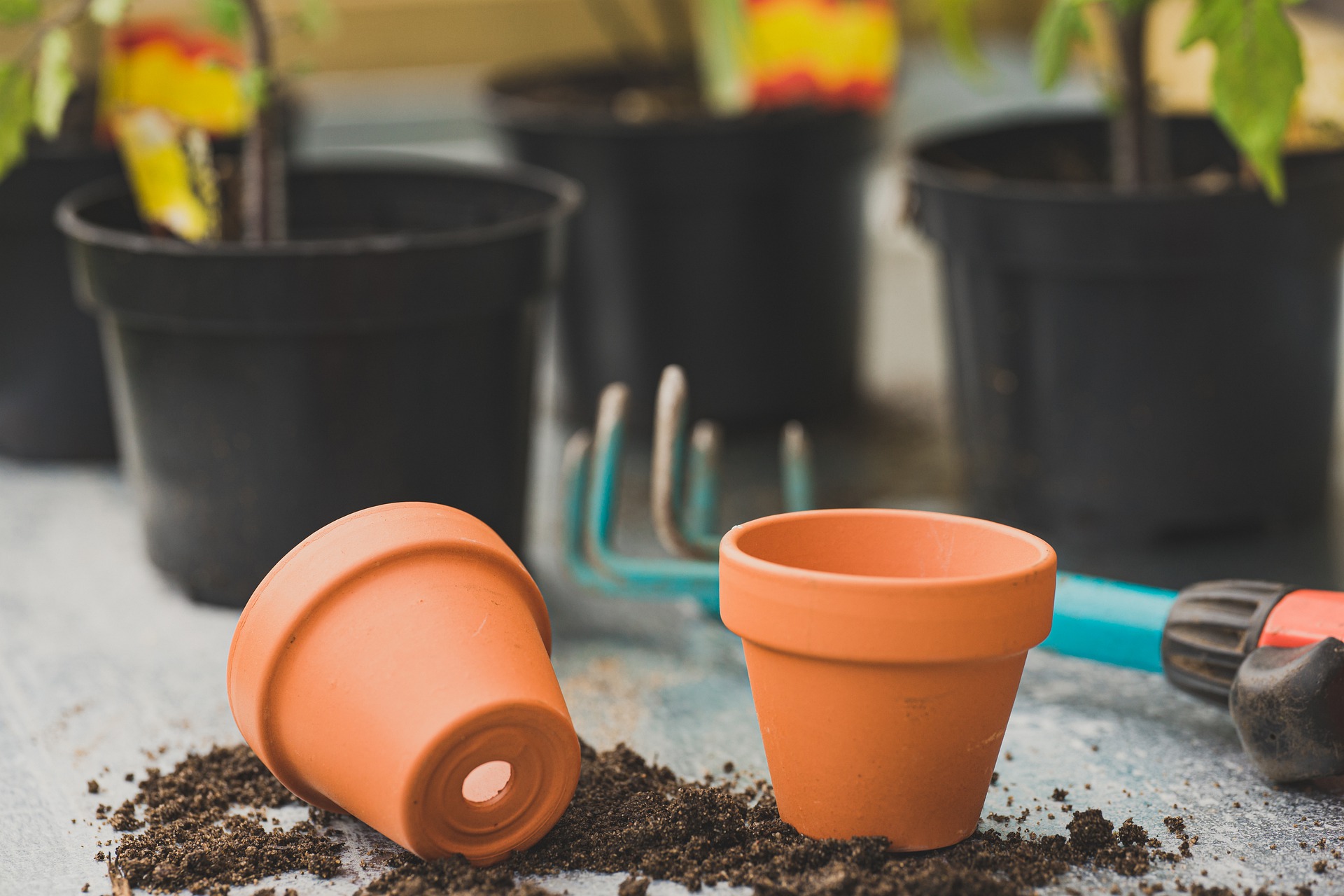
Container gardens are the most common approach to utilising rooftop space. It is the simple practise of growing plants in pots or containers. It is cheaper than the three techniques mentioned above as the containers and other raw materials are easily available. Setting up a container garden is also an effective way to reuse and recycle old containers, pots, or plastic boxes. The biggest advantage of this technique is that it is completely customizable depending on the type of plants that are cultivated, and the initial economic investment is very low. However, it is important to ensure that there is a proper drainage and irrigation system in order to maintain it successfully. Maintaining container gardens is also an excellent way to utilise kitchen and food waste while growing healthy and fresh food.
Choosing the right rooftop farming technique
Setting up a rooftop farm requires extensive planning and care in order to maintain it successfully. Choosing the right technique is essential to serving the purpose of building a functional rooftop farm. Below are the key factors that can help narrow down the ideal rooftop farming technique:
Roof structure
The roof structure of the building can heavily influence the type of rooftop farming method that needs to be implemented. For example, the setup can be an open rooftop farm or a rooftop greenhouse, depending on the roof design. Green roofs can be set up on both flat, slanted, and terraced roofs, but that is not the case for hydroponics, aeroponics, and container gardens. In addition, a building permit must be acquired before construction, regardless of the type of rooftop farm and farming technique.
Weather
Due to their location, plants cultivated on a rooftop farm can have too much exposure to sunlight. This can increase the temperature of the farm, which can potentially dry out the plants. So, it is necessary to provide some shade using a shade cloth or netting. It is also important to understand the microclimate of the farm’s location. Use soil that has a good water retention capacity to keep the plants hydrated when container gardens are exposed to dry and hot weather. Self-watering containers are another excellent choice. Wind exposure is stronger on rooftop farms, so it should be controlled by installing windbreakers for protection from strong winds.
Irrigation and drainage
Hydroponic and aeroponic systems consume less water compared to green roofs and container gardens. So, it is important to install a well-designed irrigation and drainage system. While container gardens require only irrigation by hand, green roofs spanning a large area might require the installation of mechanical irrigation systems. Ensure that the roof has a drainage system through which the excess water can escape. This runoff can also be collected and reused if the building has a rooftop rainwater harvesting system.
Purpose
The purpose of rooftop farming heavily influences the choice of framing technique that needs to be applied. If the practise is carried out for commercial purposes, then opting for hydroponic and aeroponic systems would be ideal. This would ensure higher productivity and healthier products that could be sold. Individuals who are farming for personal use can also opt for less complicated techniques like hydroponics and container gardens. They would be easier to maintain and require fewer financial investments. Green roofs are the best fit if the goal is to create a green recreational space and encourage biodiversity. It also offers a certain amount of climate control by reducing the temperature, purifying the air, and acting as a rain buffer.
Rooftop farming in India
Rooftop farming has started to gain popularity as a sustainable food source, especially in the urban cities of India. On account of decreasing agricultural land and increasing consciousness of healthy consumption, Indian urbanites have begun shifting to rooftop farming for organic products. Additionally, businesses specialising in constructing urban organic farms have emerged as well. The Living Greens, founded in 2013, is India’s first urban organic farming company that focuses on converting empty spaces into organic farms in both residential and commercial buildings. The COVID-19 pandemic has also increased the number of urban farms as urbanites were able to convert their roofs into farms during lockdowns.
Moreover, urbanites have also found it a way to expand their green spaces and enhance their biodiversity. Increased vegetation on the roofs helps maintain the internal temperature of the building and creates a cool atmosphere. This helps counteract the extreme heat and dryness often found in urban areas. Rooftop farming has also increased the food diversity of the community involved, as people have started to view it as a healthy source rather than a hobby.
Conclusion
With more people getting involved in urban farming, rooftop farming has the potential to transform city food systems into sustainable food sources. This also fosters the growth of the circular economy in cities, as rooftop farming involves minimalist resource usage, recycling, and reusing. Utilising the four techniques of rooftop farming effectively can increase the food security of an urban community. Such initiatives also give people better control over their food consumption, making them more conscious of their dietary habits. Furthermore, rooftop farming also provides the opportunity to expand green recreational spaces in cities, which increases climate control in that region as well.
 Planet Rescue 101
One thought on “What are the various rooftop farming techniques?”